


The escalation of tensions in the Middle East since late February 2026 is creating a devastating domino effect on supply chains across the Asia-Pacific region. With logistics costs rising by 20% and maritime insurance premiums soaring past the 50% threshold, the region is facing inflationary pressure and a serious risk of essential supply chain disruptions.
The Strait of Hormuz, the gateway for 20% of the world's oil, has become the epicenter of the crisis. Reduced traffic through this passage has pushed crude oil prices above $100 per barrel, directly increasing transport and electricity costs in import-dependent nations such as Pakistan, Sri Lanka, and the Philippines.
Beyond energy, the Strait of Hormuz is the transit route for one-third of the world's fertilizer raw materials. Disruptions to ammonia and nitrogen shipments are directly threatening crop seasons in agricultural nations.
Relief operations are becoming more expensive and difficult than ever due to airspace restrictions and maritime uncertainty. Approximately 50% of humanitarian cargo is facing the risk of "pipeline breaks." Carriers are forced to seek costly alternative routes and alter procurement methods to sustain operations.
Many governments in Asia have had to activate unprecedented traffic and energy control measures:
The combination of high shipping costs and border disruptions is putting terrific pressure on household purchasing power. Stakeholders—from transport companies to humanitarian organizations—all face the challenge of rising operational costs while financial resources are tightening.
The world faces a dire scenario if the crisis persists until mid-2026: an additional 9.1 million people in Asia are projected to fall into urgent food insecurity. Diversifying logistics routes and implementing energy self-sufficiency measures will be the key for nations to weather this supply chain "storm."
Source: https://www.unocha.org/publications/report/afghanistan/asia-and-pacific-humanitarian-impact-middle-east-escalation-3-april-2026
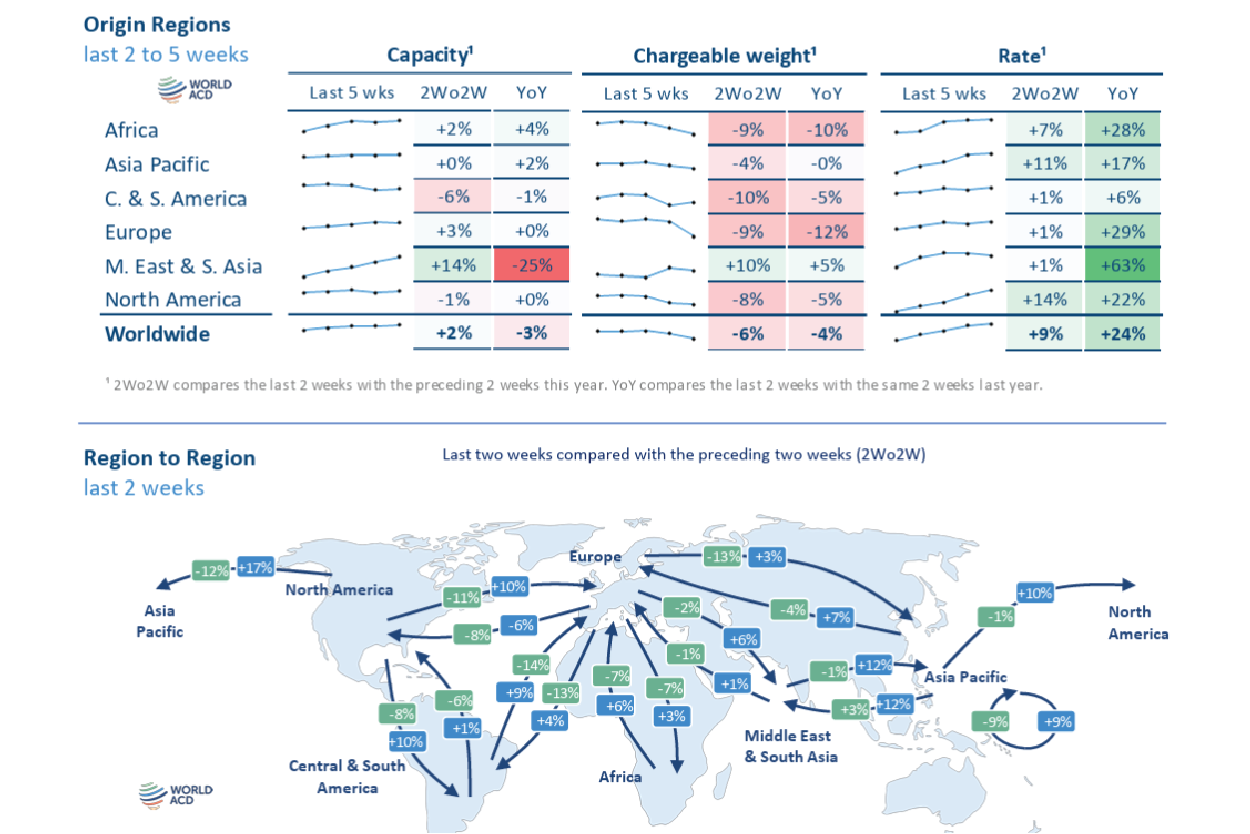
Global air cargo rates have continued to rise despite a further drop in worldwide tonnages, linked to Easter holidays and additional bellyhold capacity returning to Gulf markets.
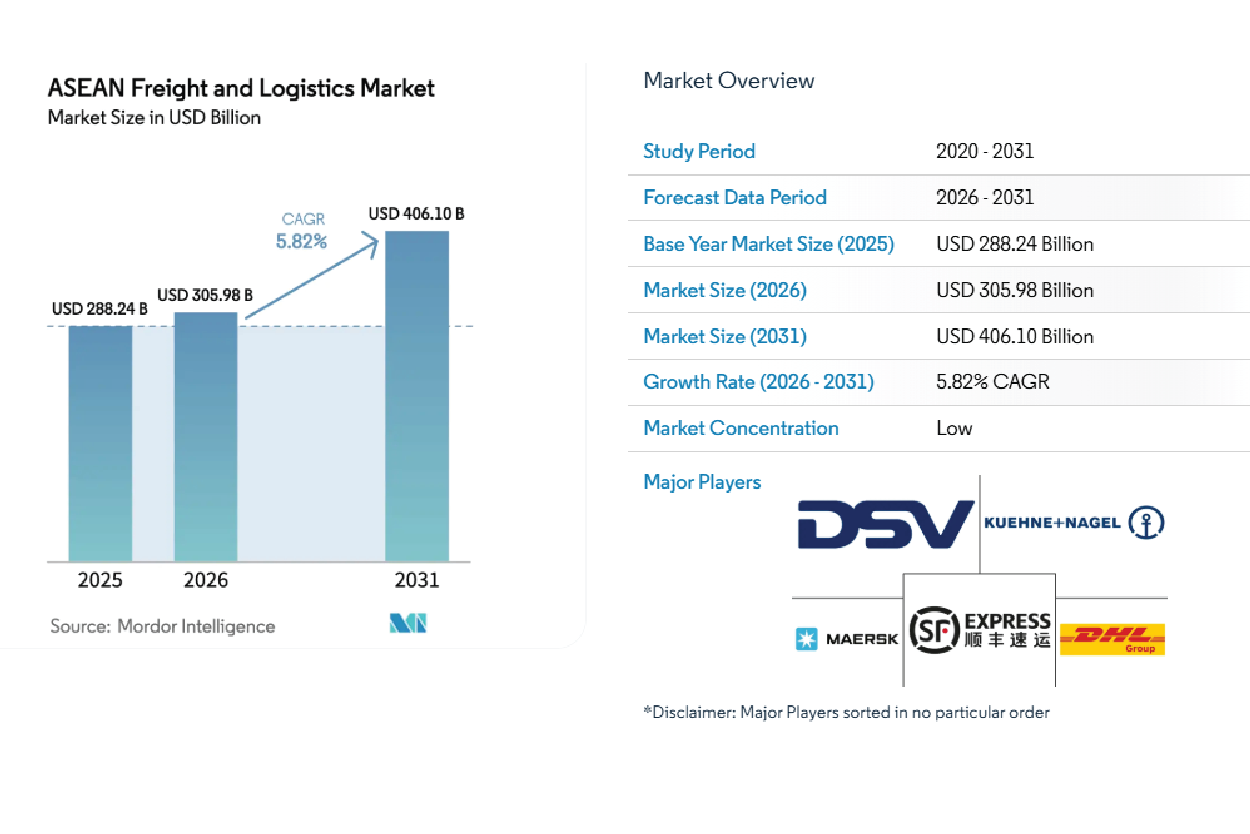
The ASEAN freight and logistics market size is projected to reach USD 406.10 billion by 2031, growing at a CAGR of 5.82% from 2026 to 2031.
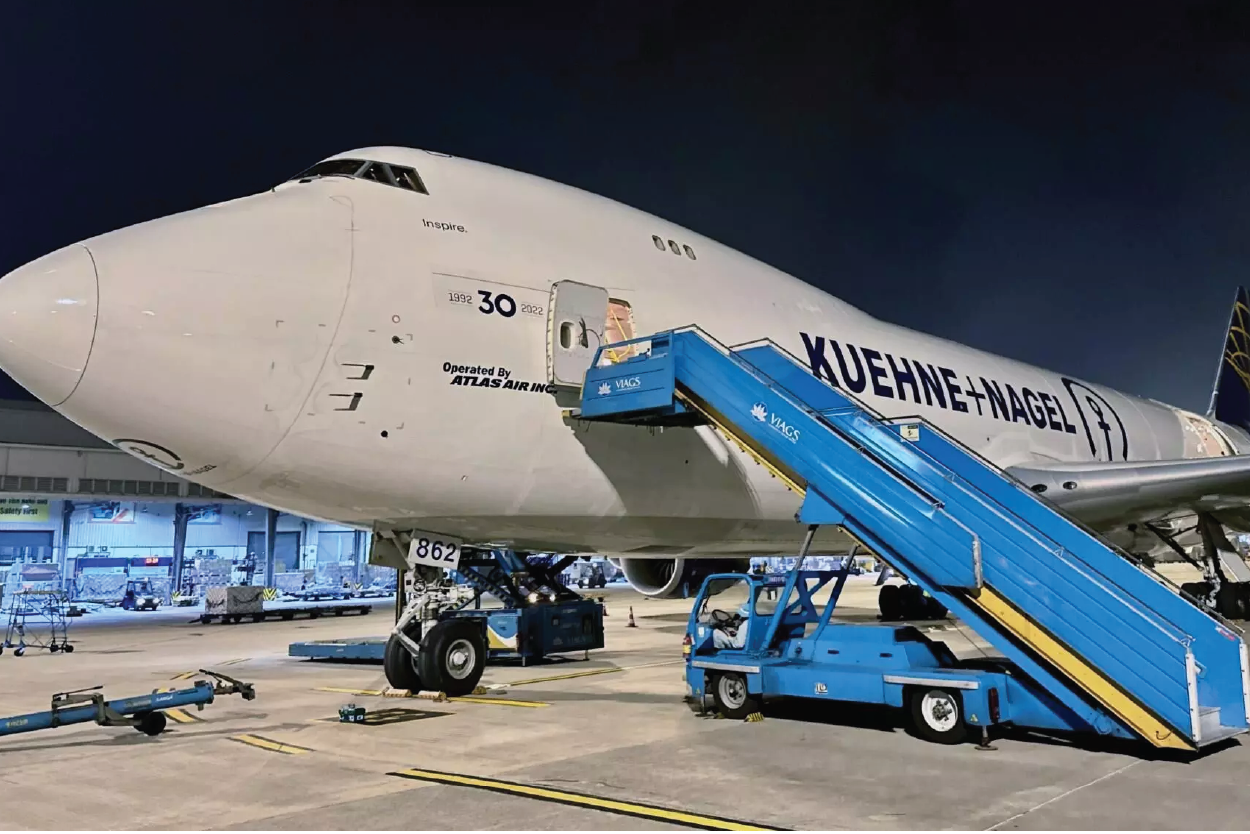
Global air cargo networks adapt to Middle East airspace closures, rerouting through alternative hubs and longer paths, impacting cost, time, and trade.
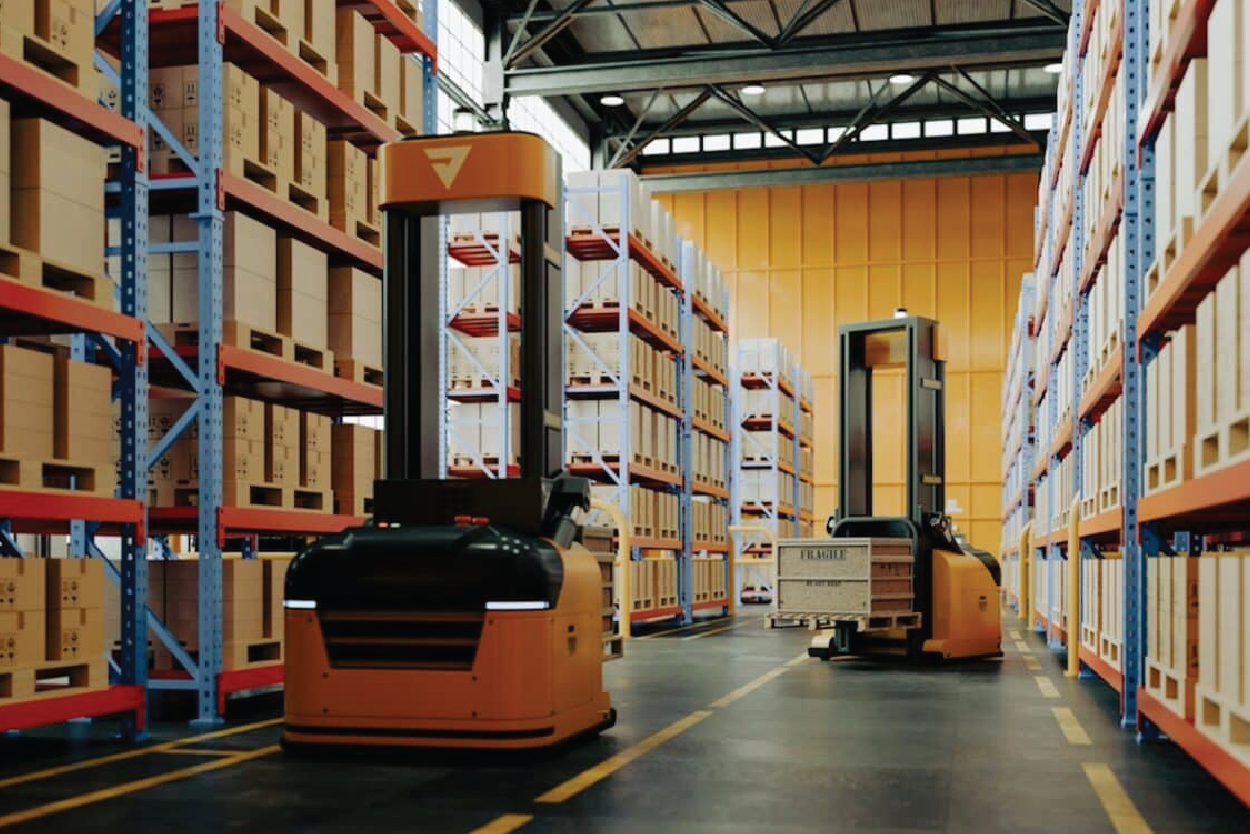
The report concludes that competitive advantage will depend on how effectively organisations integrate AI, automation and analytics into end-to-end operations, rather than...

The infrastructure supporting air freight handling at airports has long been neglected. There are answers but funding is an issue.
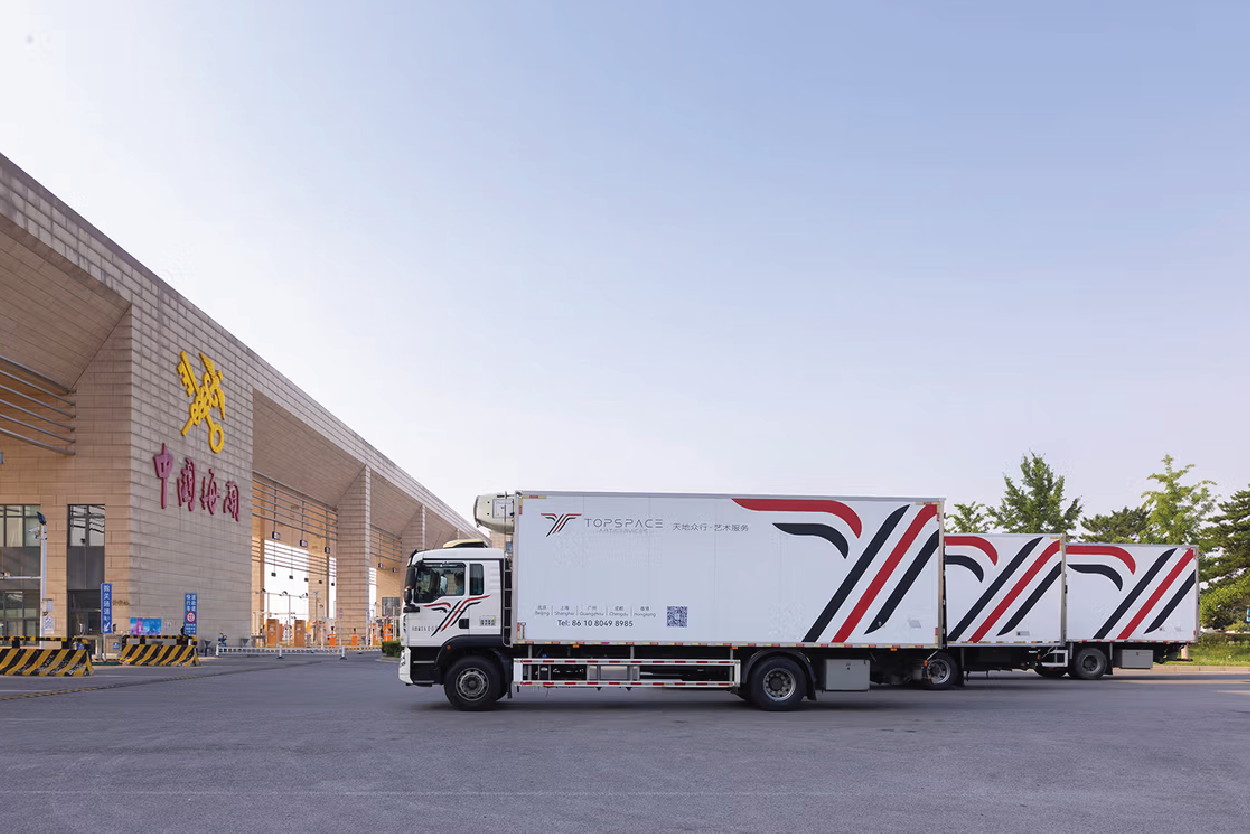
Rising oil prices affecting air freight and blocks to shipping routes are forcing Asian logistics firms to rethink plans and absorb losses
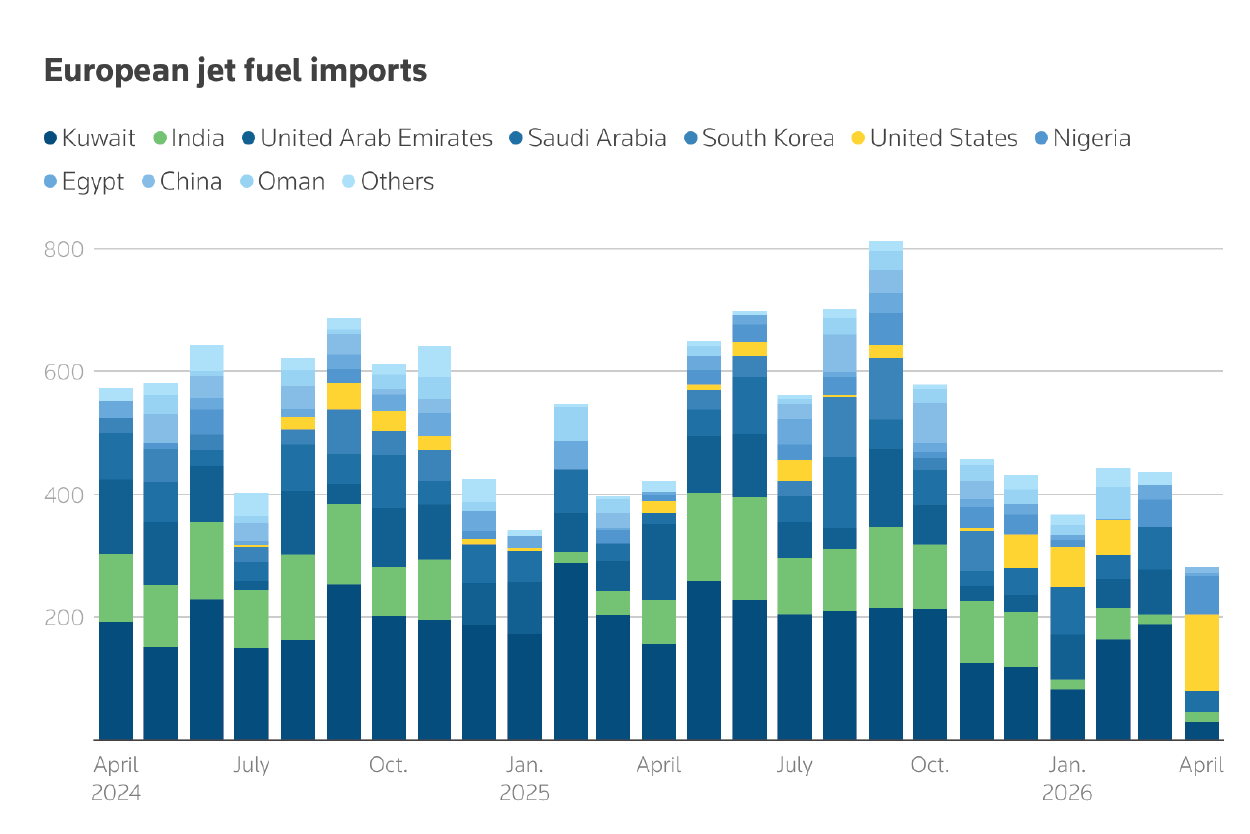
Flights in Europe could start to be cancelled from the end of May due to a lack of jet fuel
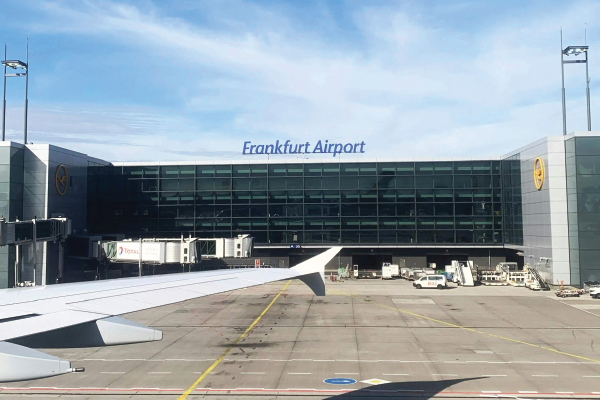
belly cargo decreased by 8%, mainly due to cancelled passenger flights to the Middle East.
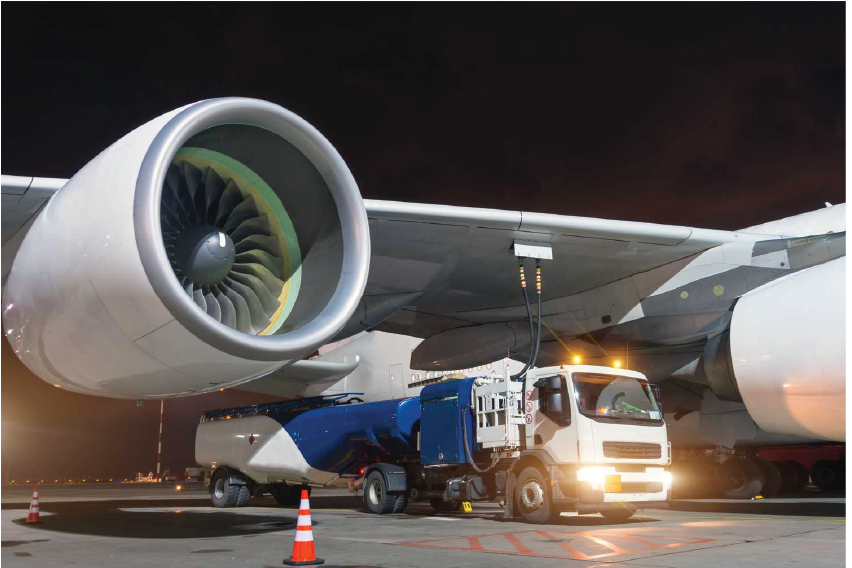
The jet fuel crisis is no longer a short-term disruption. Even if geopolitical conditions stabilise, the structural impacts on fuel supply chains, refining capacity and global...
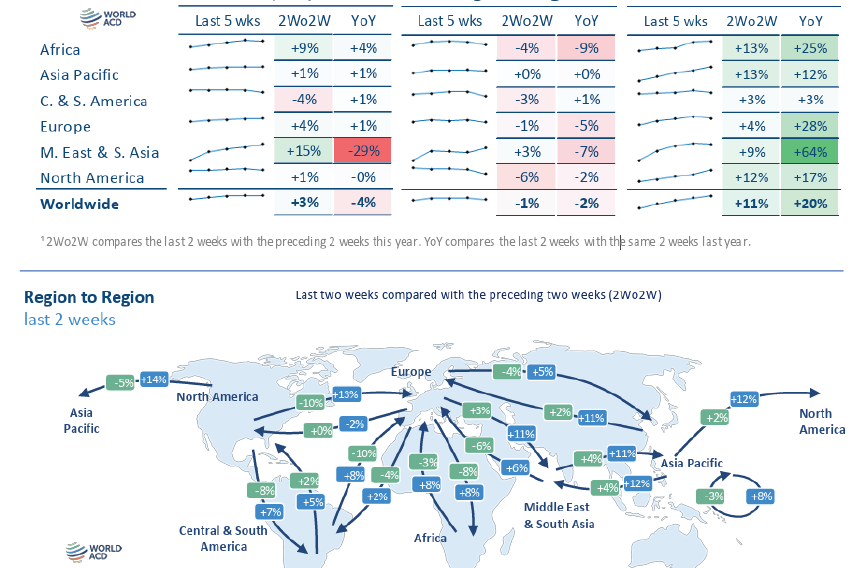
Air cargo exports from APAC declined -3% WoW to Europe and -1% to USA.

 ALS
ALS