


The European Union will urge members to cut their dependence on Middle Eastern jet fuel and look into increasing imports from the U.S., in new guidelines expected next week, an official source told Reuters, as the Iran war disrupts global supply.
The plans, previously unreported and still being finalised, will put a greater focus on self-sufficiency and resilience via Sustainable Aviation Fuel (SAF) or synthetic fuels.
European airlines have warned of potential jet fuel shortages within weeks as a result of the Iran war, which could disrupt the summer travel season. Europe is particularly vulnerable as it imports some 30% to 40% of its jet fuel, at least half of that from the Middle East.
The EU's non-binding recommendations will emphasize the bloc's limitations in increasing jet fuel output domestically and provide guidance on how to handle potential shortages, the source said.
The person asked not to be named because the discussions are ongoing and the draft is not yet finalized. A European Commission spokesperson confirmed plans to present a response to the energy crisis next week, including measures on jet fuels.
Availability of supply "remains the primary concern," the Commission spokesperson said, adding that if supply remained snarled through the Strait of Hormuz, the EU could launch a possible coordinated release of jet fuel stocks.
Iran opened the Strait of Hormuz on Friday, a key gateway for energy flows from the Gulf, after a ceasefire accord in Lebanon, though U.S. President Donald Trump said a naval blockade remains in place until a deal is sealed with Tehran.
The EU spokesperson said he hoped a resumption of safe passage through the Strait would last, but reflecting the ongoing uncertainty, added: "Let's see".
Flights in Europe could start to be cancelled from the end of May due to a lack of jet fuel, the International Air Transport Association's director general Willie Walsh said on Friday. Airlines are cutting flights and grounding some planes.
They will also look at the distribution logistics of increasing the use of U.S. Jet A fuel, traditionally seldom used in Europe because it has a higher freezing point than the European standard. Europe's Jet A-1 is better suited to long‑haul, high‑altitude and cold‑temperature operations and is preferred by the military. Jet fuel imports from the U.S. and Nigeria rose sharply in April.
Some of Europe's key hubs in Belgium, the Netherlands, Switzerland and Germany rely on the NATO-operated CEPS pipeline, which supplies European grade jet fuel. A spokesperson for NATO did not immediately reply to questions about the pipeline's logistics.
Airlines are preparing for a potential supply crunch, with the International Energy Agency forecasting jet fuel shortages by June if the region can only replace half of the supplies it normally gets from the Middle East.
Some airports have warned of shortages within three weeks if the Strait of Hormuz remains closed to fuel shipments. The European Commission is expected to warn jet fuel supply could remain limited even if the Strait of Hormuz is unblocked.
Source: https://www.reuters.com/sustainability/climate-energy/eu-push-jet-fuel-diversification-iran-war-threatens-supply-2026-04-17/

The biggest growth sector in air cargo could face significant challenges if the Strait of Hormuz remains closed.
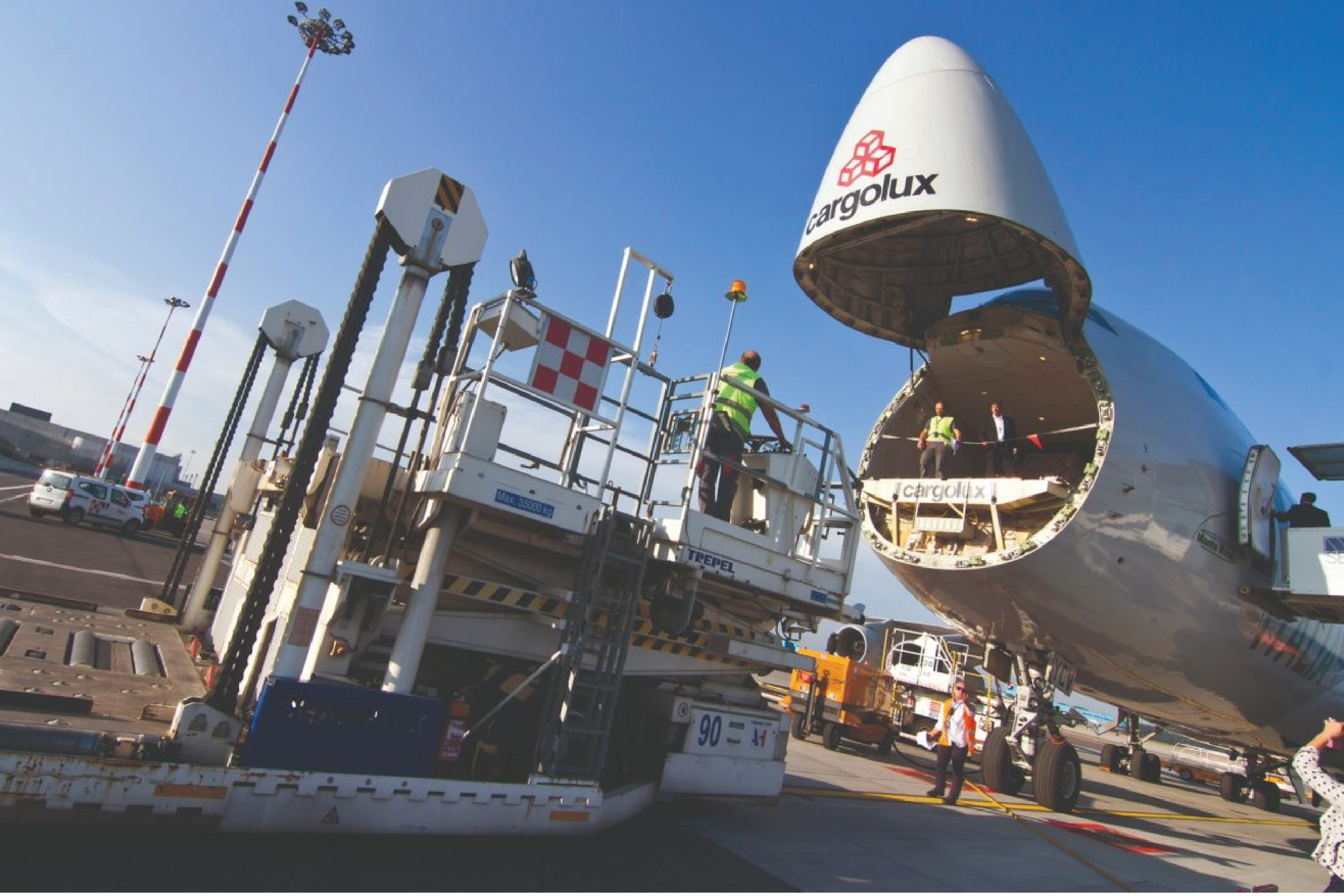
The most valuable cargo in the world today is neither gold, diamonds, nor pharmaceuticals
IATA called for stronger implementation of global standards, a transition to modernised ground support equipment (GSE) and greater digitalisation in the ground handling sector.

Nearly 38,000 loading errors were recorded across global ground operations in 2025, alongside more than 29,000 aircraft damage events.
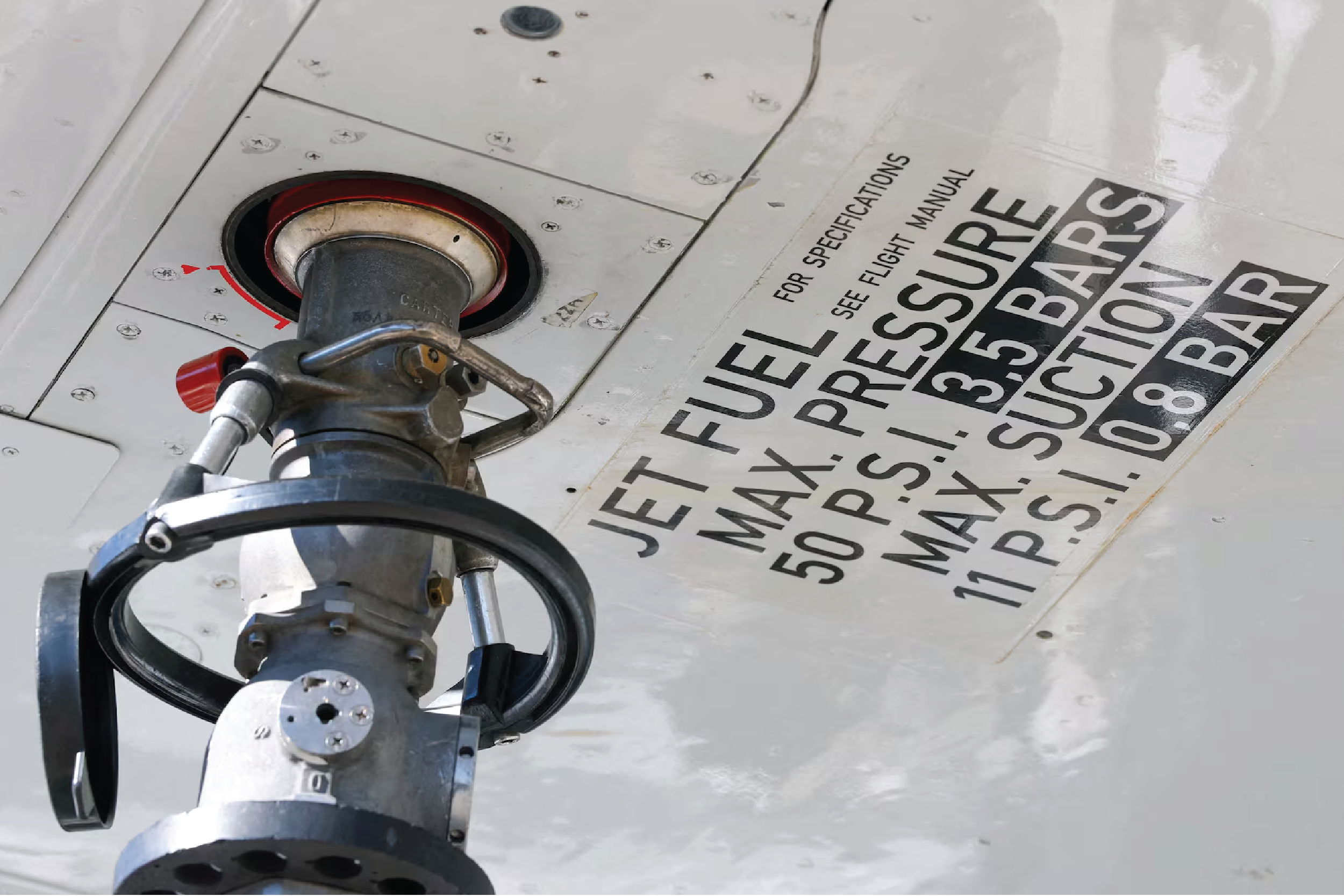
The recovery is uneven and increasingly shaped by changing tradelanes.

Widebody freighter conversions exceeded narrowbody conversions for the first time since 2009 last year as a result of narrowbody oversupply.
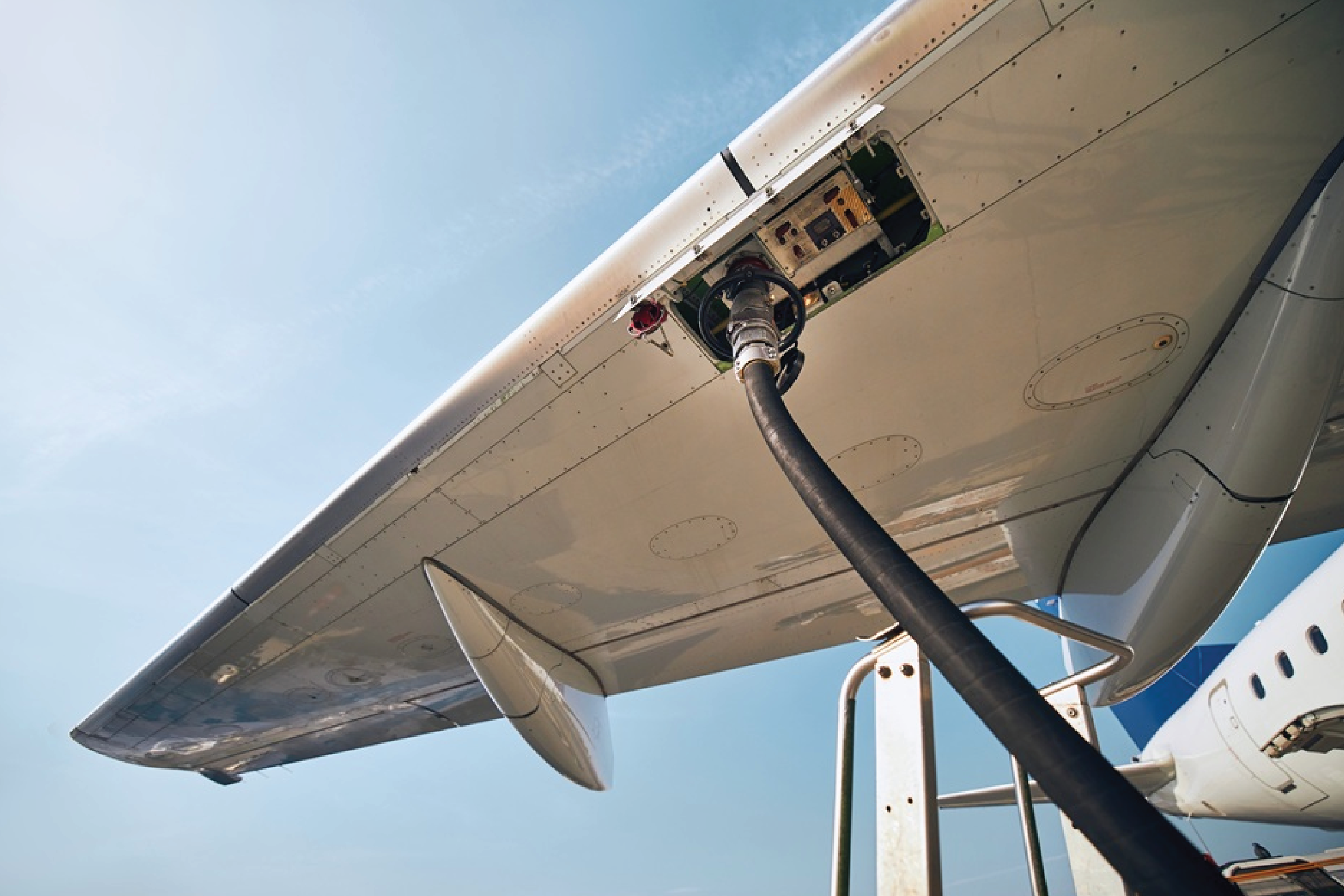
A group of US cargo carriers has called on the Trump administration to temporarily suspend taxes on jet fuel in response to rising prices caused by the Middle East conflict.
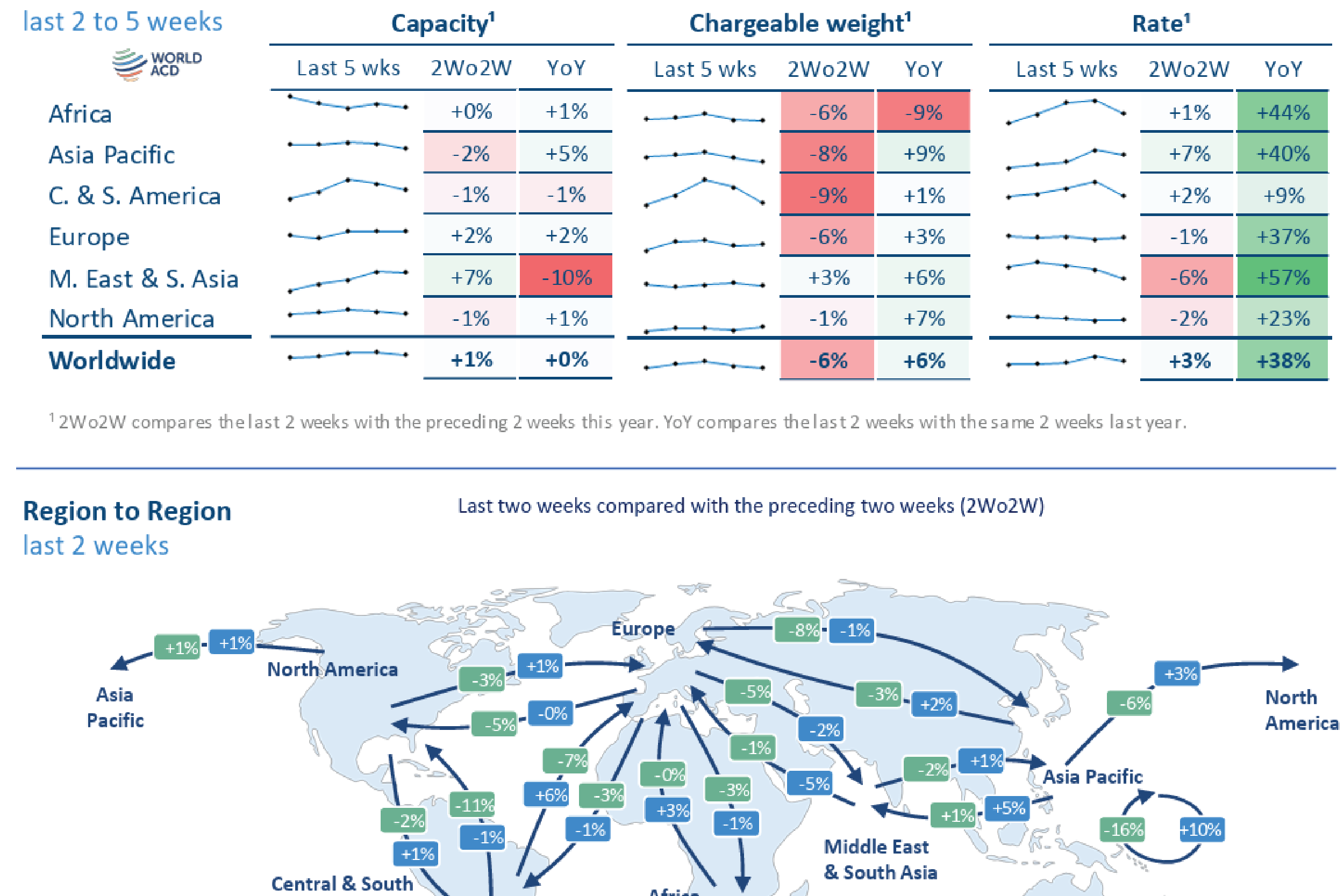
Volume from MESA dropped -5% WoW both to USA and Europe
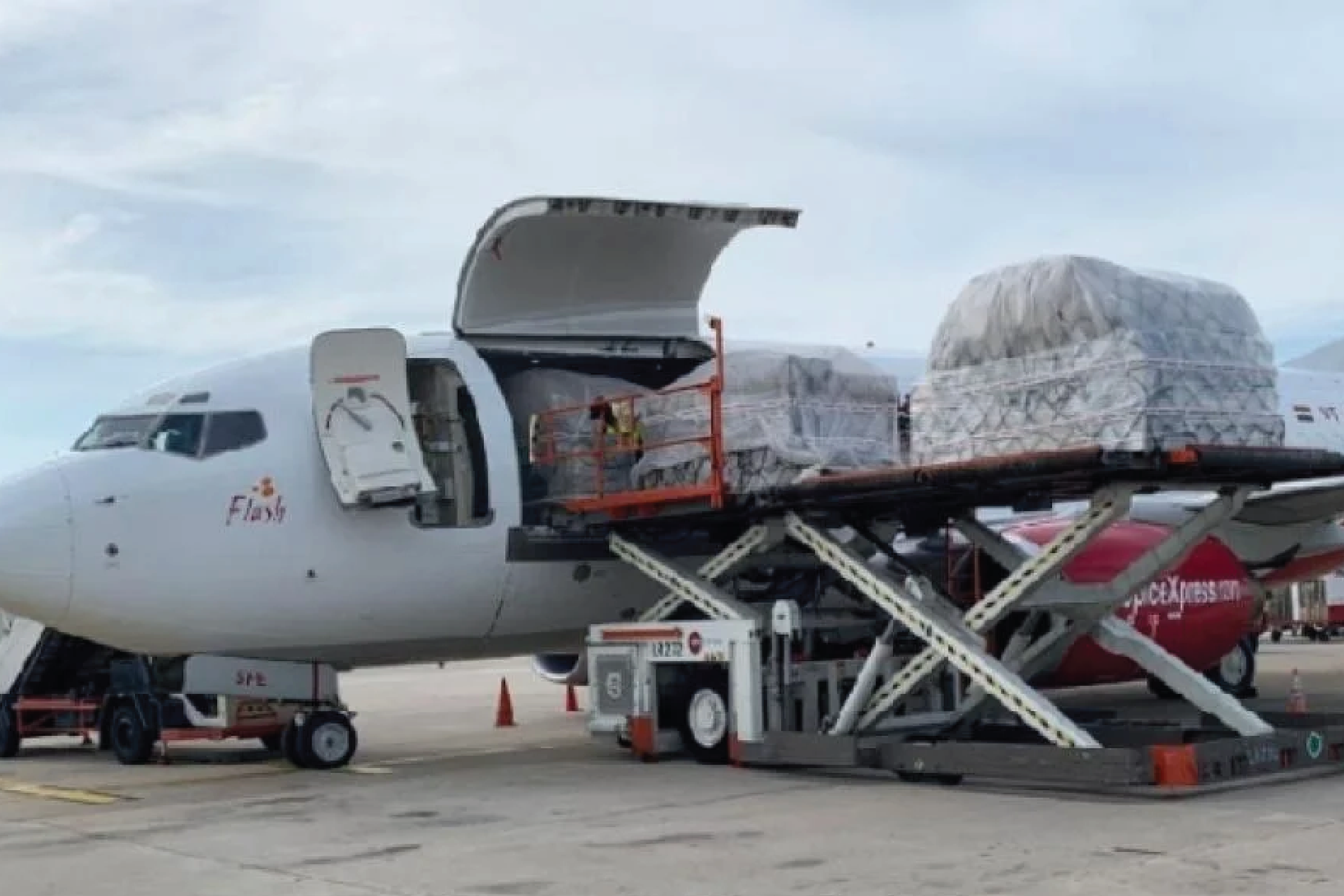
India’s air cargo sector has achieved a major milestone, handling a record 3.72 million metric tonnes (MMT) in FY2024-25
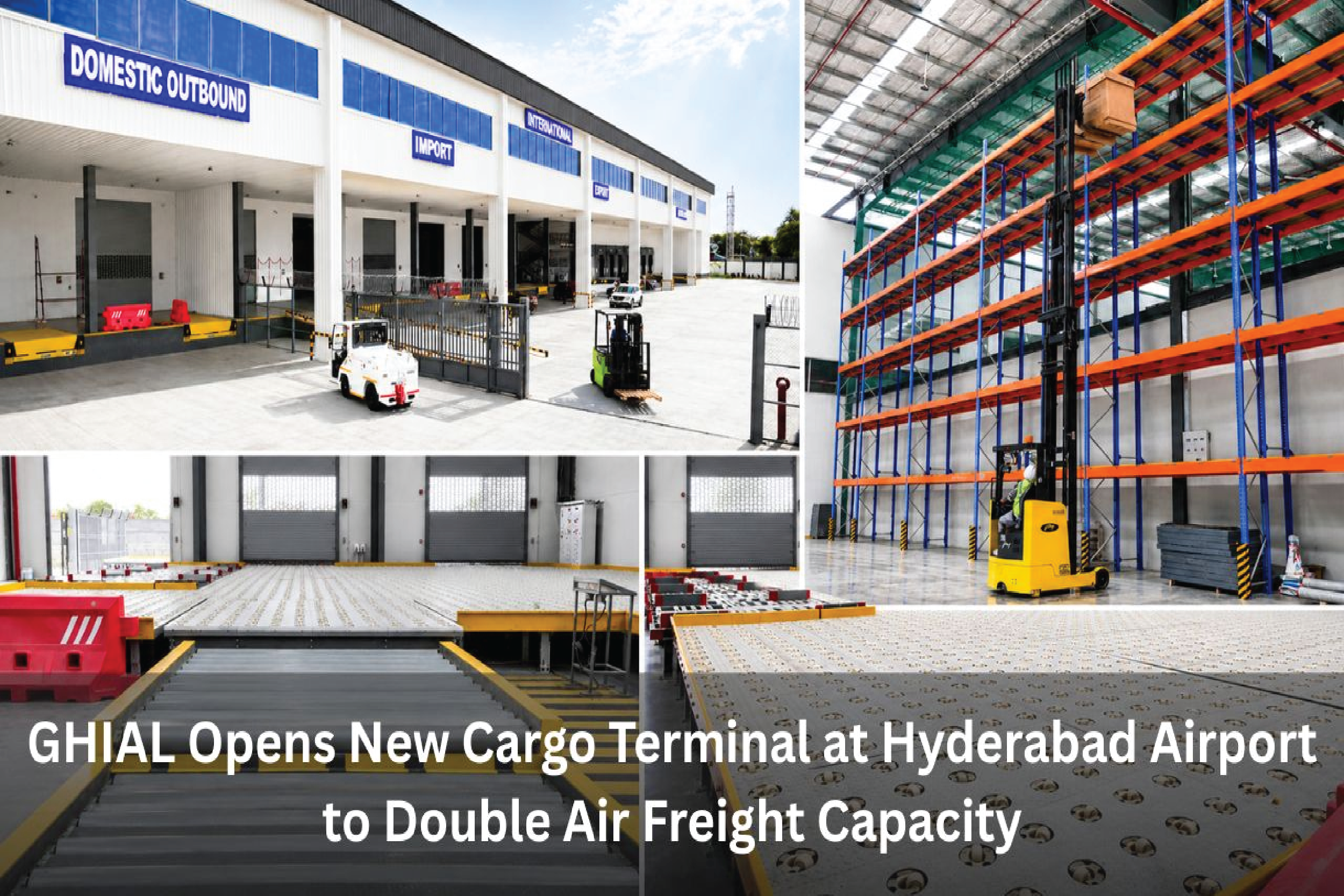
The new Cargo Terminal 2, inaugurated on May 18, spans 16,864 square metres and will initially handle around 50,000 metric tonnes of cargo annually

 ALS
ALS