


The latest monthly air cargo traffic figures from some of Europe’s airports illustrates a spectacular decline in Middle East volumes since the military conflict in the Gulf. However, its impact has been partially compensated by a growth in volumes to and from other regions.
Fraport’s latest figures show that Frankfurt Airport (FRA) handled some 185,500 tonnes of cargo in March, up 0.4% compared with March 2023. At the end of February, cargo volumes grew by 4.7% at FRA.
Cargo volumes grew by 4.7% at FRA. However, cargo was still significantly affected by the Middle East war. While Middle East aircraft movements dropped significantly by 51.5% and total Middle East cargo traffic by 44.3%, FRA benefitted from almost 50 additional "preighter" flights (passenger aircraft used to only transport cargo), mostly by Emirates on its route to Dubai.
Overall, FRA reported cargo growth to and from Far East (+9.1%), Africa (+40%), North America (+4.3%) and Latin America (+5.7%).
Schiphol’s air cargo volumes reached 128,281 tonnes in March, down slightly after a strong January and February.
Outbound Middle East cargo decreased by 50.1%, while inbound Middle East cargo was down 47%. In contrast, cargo to and from the Far East was up 8%, Middle/South America grew by 18%, and Africa increased by 15%.
The main goods transported were electrical machinery, flowers, fashion, fruit and vegetables, pharmaceuticals, fish and spare parts.
London Heathrow (LHR)
London Heathrow (LHR) cargo traffic fell 6.6% in March to 134,648 tonnes. In February, its cargo volumes grew by 9.3%. LHR cargo traffic (both inbound and outbound) to and from the Middle East plunged by 54.3% in March. Asia Pacific and Africa were the only regions to see cargo growth.
Liège Airport grew by 11% in March and the first quarter showed a 16% increase in tonnage (342,845 tonnes). "The context of the international environment remains marked by numerous uncertainties and risks," commented Laurent Jossart, CEO of Liège Airport.
Brussels Airport’s cargo volumes reached 74,419 tonnes, up 8.8% compared to March 2025. Full freighter cargo grew by 14.1% while belly cargo dropped by 8%, mainly due to the cancellation of flights to the Middle East.
The Middle East war was reshaping the global air freight industry and supply chains with turbulences driven by numerous and contradictory factors like the significant increase in air cargo spot rates, the cost of jet fuel, the potential energy crisis, the inflation growth, and the restrictions on air space.
“In this context, Liege Airport is adopting a measured approach for the months ahead. While the outlook remains positive, 2026 is expected to continue to be shaped by rapid adjustments and demanding market conditions. The airport is therefore approaching the remainder of the year with vigilance, while maintaining a reasoned confidence in the continuation of its growth momentum”, said CEO Laurent Jossart.
Total cargo volume handled at Brussels Airport in March reached 74,419 tonnes in March increased by 8.8% compared to the same month in 2025.
Flown cargo increased by 5.1%, driven by growth in the integrator segment (+5.8%) and by strong growth in the full freighter segment (+14.1%), supported by additional frequencies to Latin America and Asia.
However, belly cargo decreased by 8%, mainly due to cancelled passenger flights to the Middle East.
Source: https://theloadstar.com/sharp-decline-in-m-east-air-cargo-handled-at-european-hubs/

The biggest growth sector in air cargo could face significant challenges if the Strait of Hormuz remains closed.
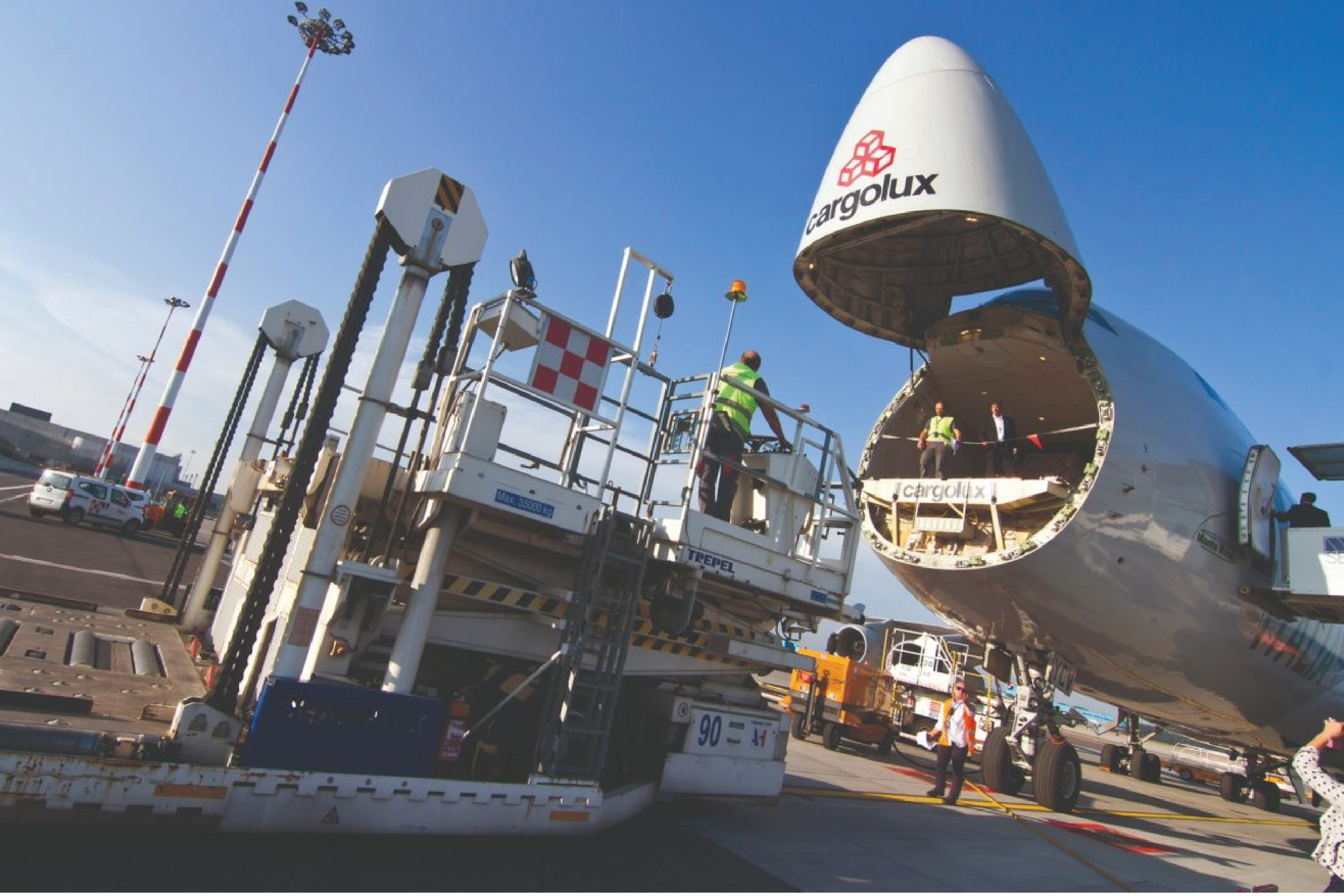
The most valuable cargo in the world today is neither gold, diamonds, nor pharmaceuticals

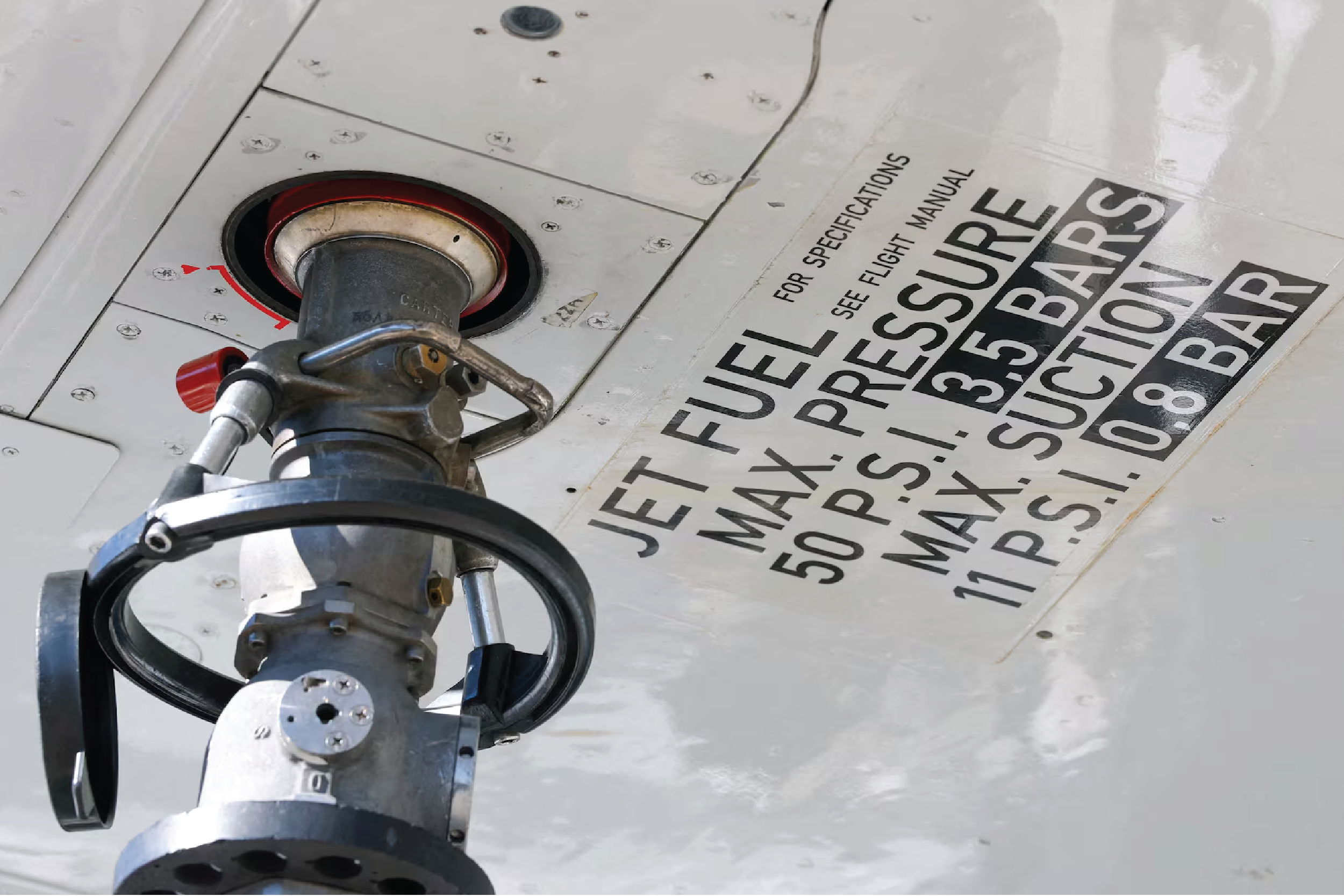
IATA called for stronger implementation of global standards, a transition to modernised ground support equipment (GSE) and greater digitalisation in the ground handling sector.

Nearly 38,000 loading errors were recorded across global ground operations in 2025, alongside more than 29,000 aircraft damage events.
The recovery is uneven and increasingly shaped by changing tradelanes.

Widebody freighter conversions exceeded narrowbody conversions for the first time since 2009 last year as a result of narrowbody oversupply.
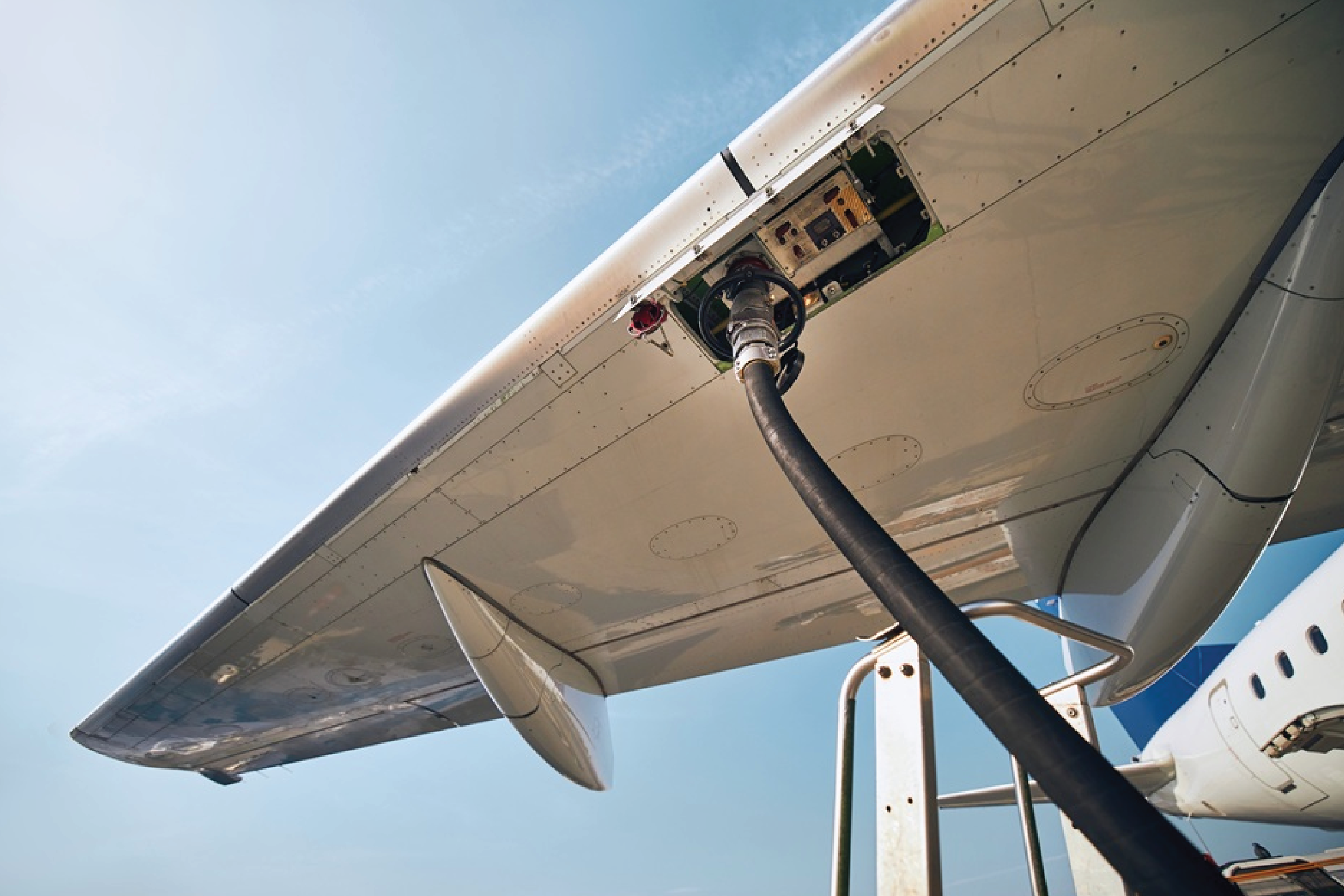
A group of US cargo carriers has called on the Trump administration to temporarily suspend taxes on jet fuel in response to rising prices caused by the Middle East conflict.
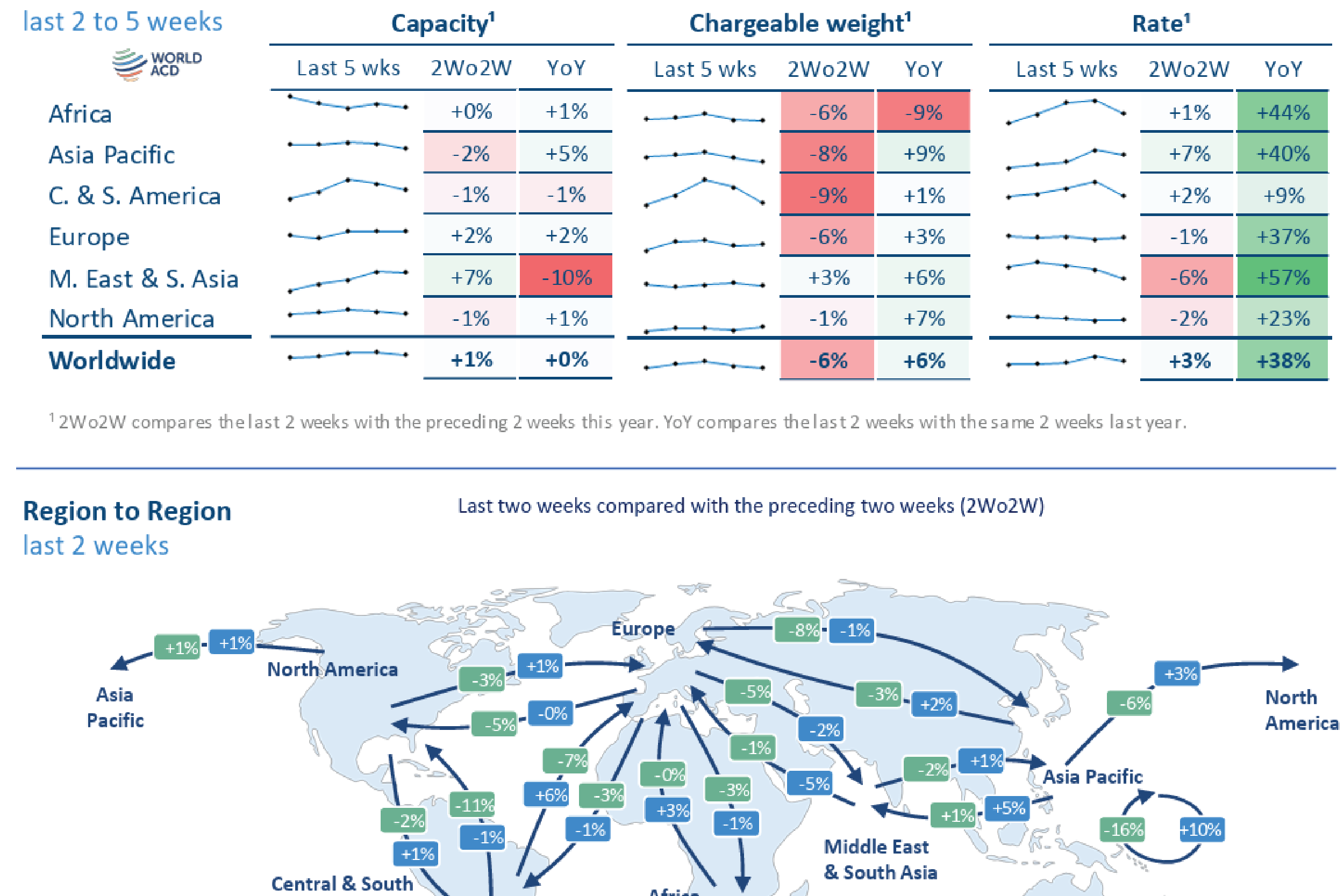
Volume from MESA dropped -5% WoW both to USA and Europe
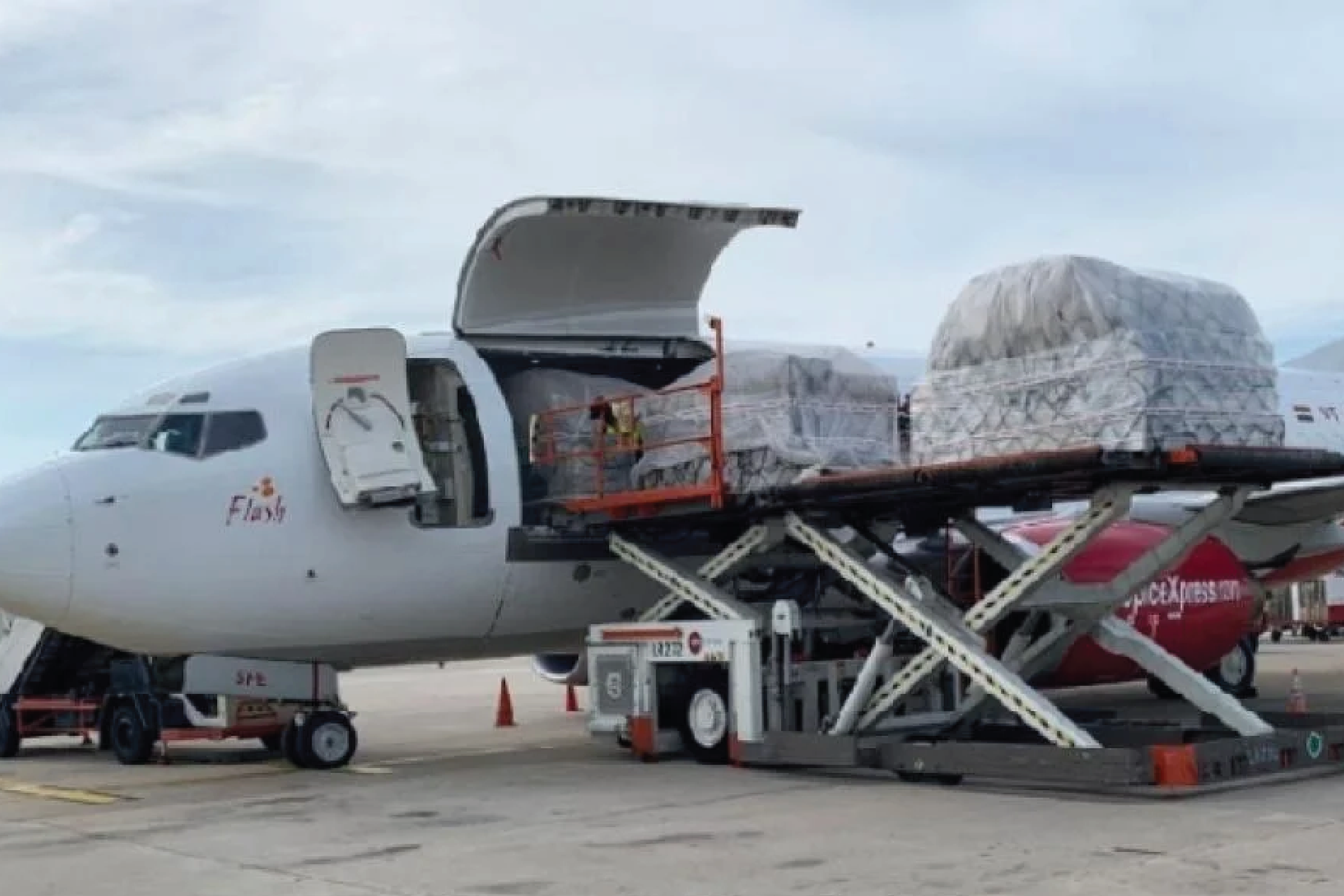
India’s air cargo sector has achieved a major milestone, handling a record 3.72 million metric tonnes (MMT) in FY2024-25
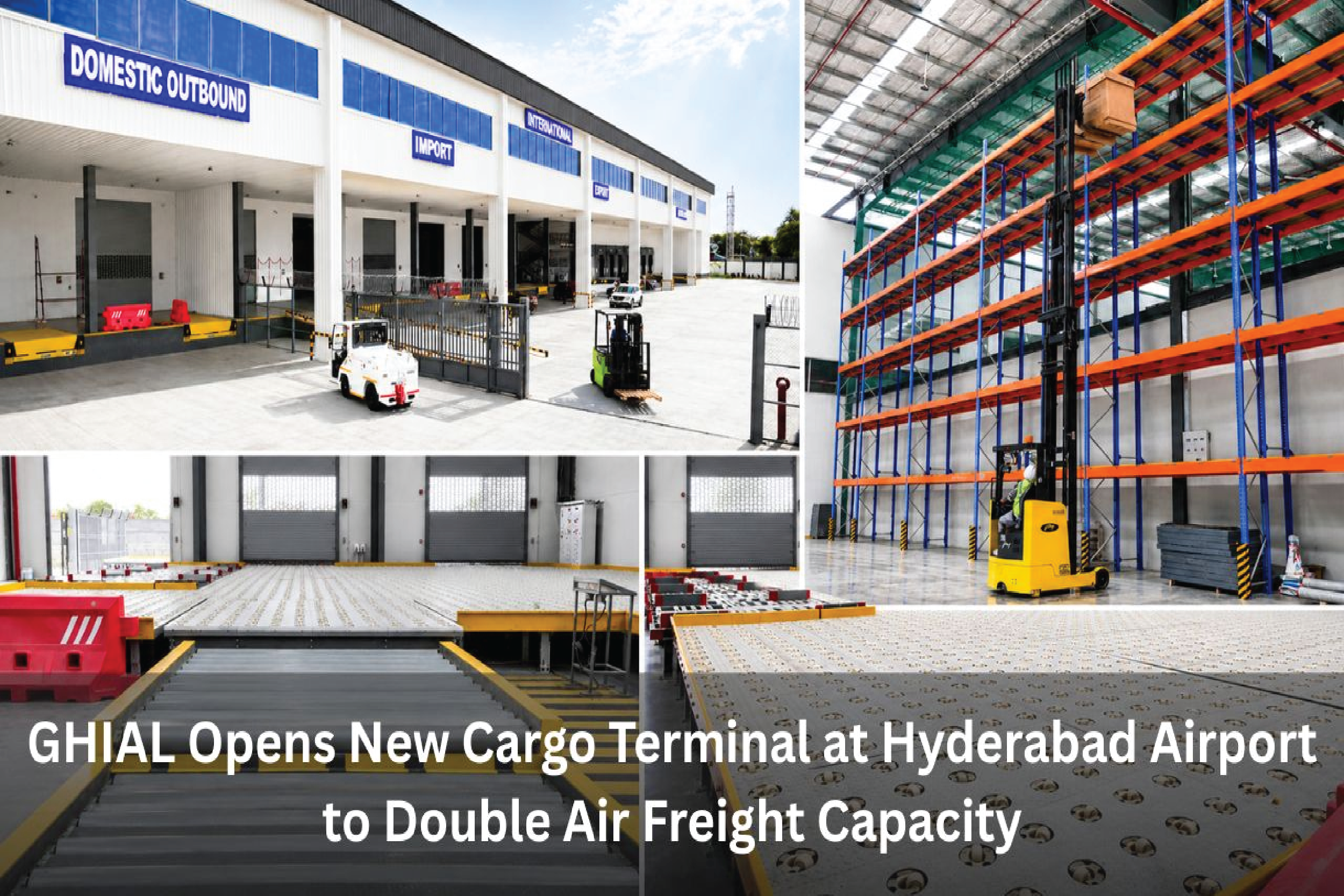
The new Cargo Terminal 2, inaugurated on May 18, spans 16,864 square metres and will initially handle around 50,000 metric tonnes of cargo annually

 ALS
ALS