


Rising oil prices affecting air freight and blocks to shipping routes are forcing Asian logistics firms to rethink plans and absorb losses
The art industry is feeling the strain of the US-Israel war on Iran, with surging oil prices and disrupted transportation routes particularly hitting Asia’s supply chains.
Benchmark oil prices have climbed rapidly since the conflict began at the end of February. Brent Crude Futures—a key indicator of the global oil market—rose from around $79 per barrel before the war to more than $109 on 2 April, prompting airlines to sharply increase cargo fuel surcharges for both short- and long-haul flights.
The fuel hike has directly translated into higher logistics costs. Wang Jianmin, the founder of Top Space Art Service, an art logistics firm in mainland China, reports that air freight costs for fine art soared between 70% and 300% in the war’s opening weeks. Wang notes that for a shipment from Beijing to New York, the cargo fuel surcharges jumped from around $1 per kg to over $3 per kg. For a standard shipment, this translates to an additional $2,000 per ton in fuel surcharges alone.
Meanwhile, Chinese domestic logistics costs have seen a more modest rise of 10% to 15%, contained by China’s strategic oil reserves and state-managed price controls.
The disruption to global logistics routes is hitting as much as the rising costs. For example, some works by the Danish artist Per Kirkeby were recently grounded at Doha International Airport while in transit to his exhibition at the He Art Museum (HEM) in Shunde, China. The exhibition, which closes in June, went ahead with a smaller number of works.
“Entire exhibition physically stuck”
“We’ve had plenty of logistical hurdles over the years, but this is the strangest for us—to have an entire exhibition physically stuck,” says Gordon VeneKlasen, the founder of New York and London’s VeneKlasen gallery, which collaborated with HEM on the Kirkeby show. He notes that galleries have adapted to air freight costs that have remained stubbornly high since the pandemic, but the route disruption is a new challenge.
Jerome Sozzi, the general manager of Bonds Fine Art Logistics in Hong Kong, notes that after the US sank an Iranian frigate off Sri Lanka on 4 March, a critical shipping corridor became an effective “war zone”. One of the company’s consignments from Abu Dhabi, destined for Art Basel Hong Kong in March, was left stranded at sea for more than a month.
Art shippers are now looking for alternatives, and the China-Europe Railway Express—a state-backed network connecting 128 Chinese cities to 232 hubs across 26 European countries—is providing one contingency. For Asia-based galleries seeking to move large quantities of work to Europe, rail is proving more affordable than air freight and far more predictable than maritime transport.
Pivoting to rail
Wang identifies the China Pavilion at this year’s Venice Biennale (9 May-22 November) as an example of exhibitors pivoting to rail. He notes that for a 10-cubic-metre shipment from Xi’an—the starting point of the network—to Italy, for example, the price surge via train remained within $100. In contrast, both the base rates and surcharges for sea freight rose from $400 to $600, with the journey length increasing by at least ten days.
Longer term, the operational pressure on logistics firms is mounting, and even if a tenuous cease-fire at the time of writing holds, the fallout of the initial conflict is likely to continue. “We had international clients eager to launch projects in China, but several either postponed or cancelled after learning that costs exceeded their budgets by more than 50%,” Wang says. He adds that these cancellations constitute less than 20% of his firm’s business, and due to a base of long-term clients his overall volume has yet to see a significant drop.
Hard to predict
Sozzi says that Bonds Fine Art Logistics is bracing for a potential impact of 5% to 8% on its yearly turnover. “We are only just beginning the invoicing process, and the conflict is only a few weeks old. It’s hard to predict the final numbers at this stage.”
Many shippers are still largely absorbing these additional costs. Wang says that Top Space Art Service has already voluntarily cut its pricing at cost by 5% to 8%. “We want to weather this storm together with our clients,” he says. “It’s about survival and partnership right now, rather than just the bottom line.”
Source: https://www.theartnewspaper.com/2026/04/20/us-israel-war-on-iran-disrupts-art-transport-routes-as-prices-surge
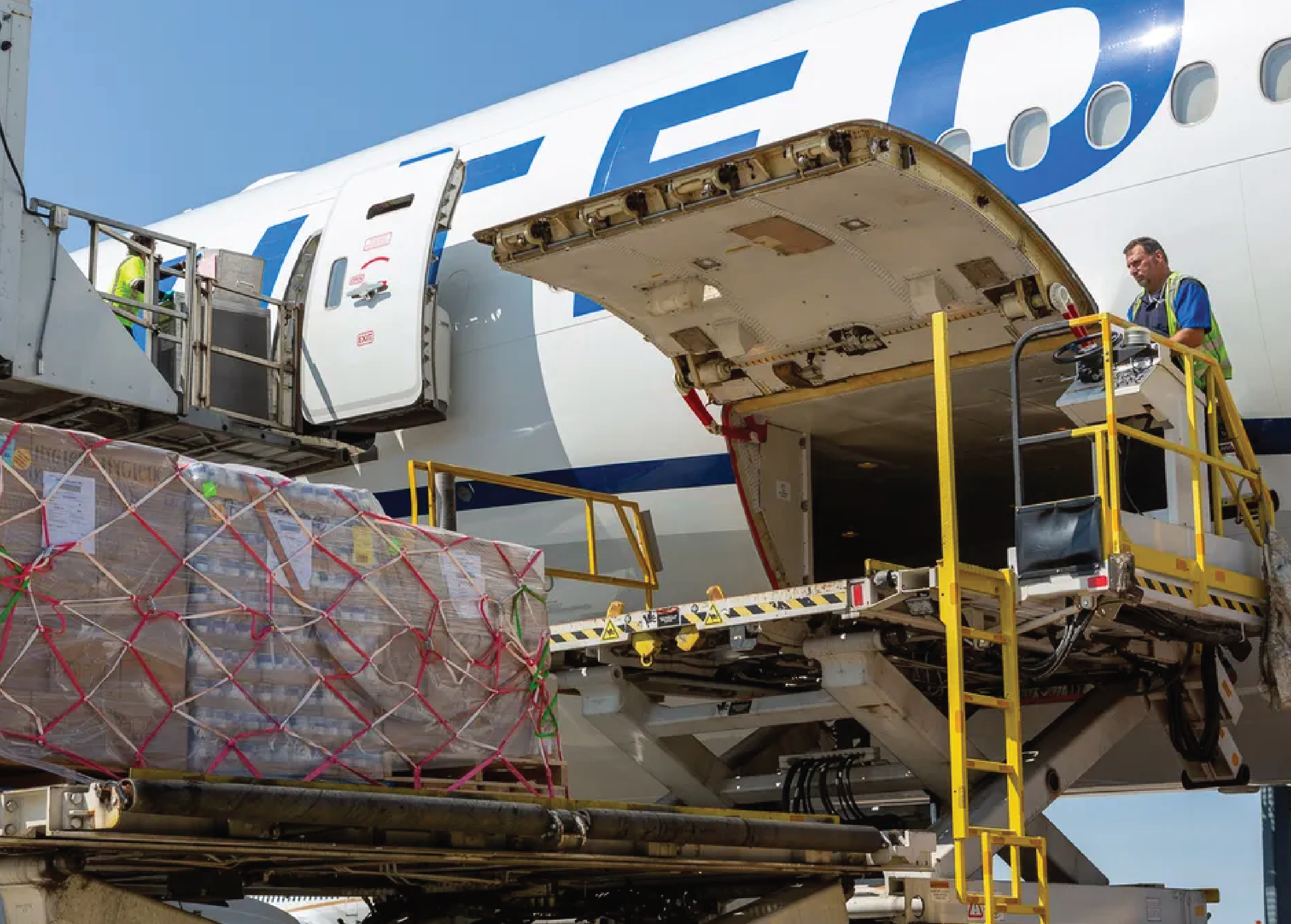
United Cargo, Air Canada Cargo and Cathay Cargo are among the airlines implementing fees to buffer the impact of higher jet fuel costs.
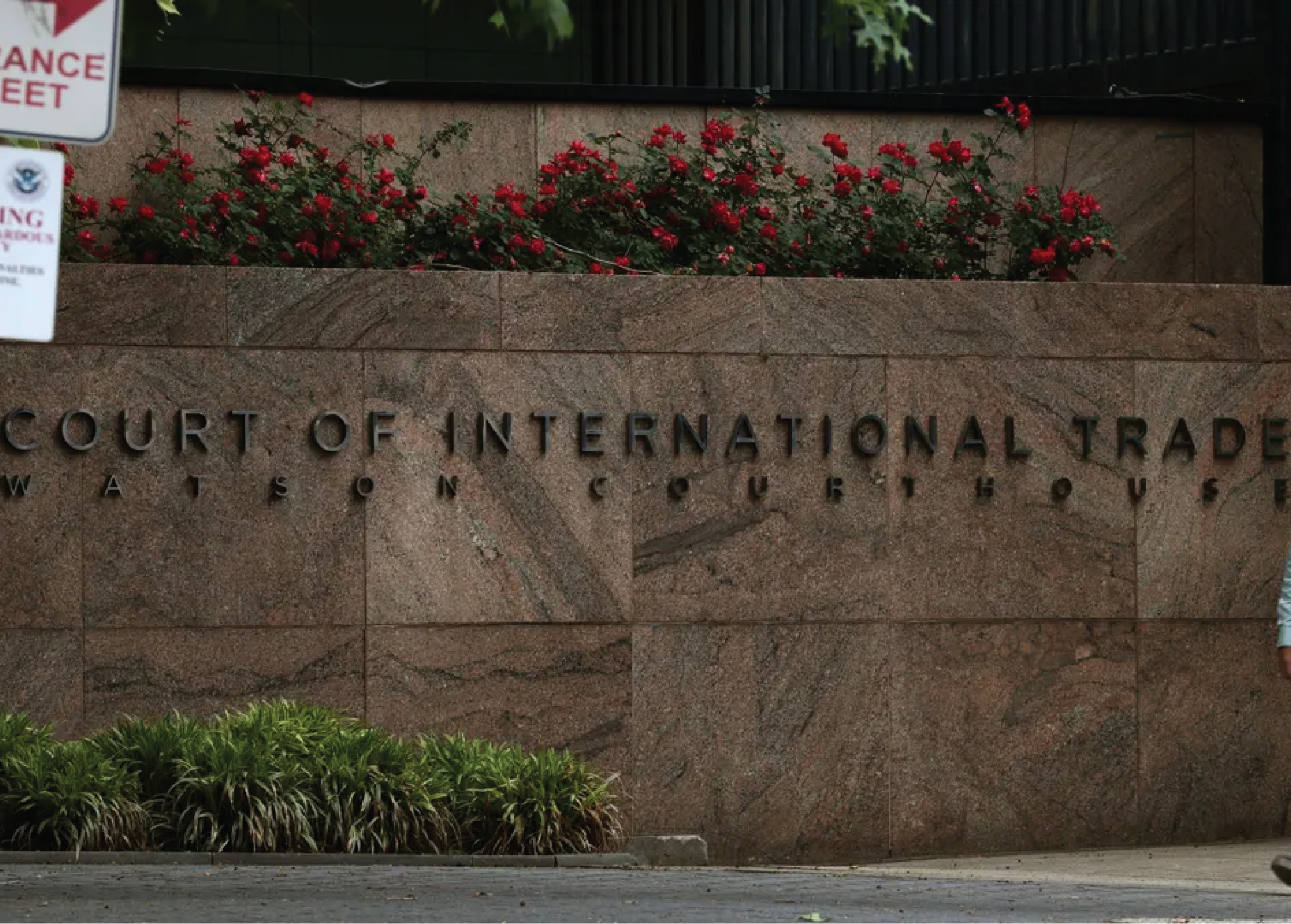
Despite saying the levy was “unauthorized by law,” the U.S. Court of International Trade did not issue a universal stay, instead providing injunctive relief for three parties...
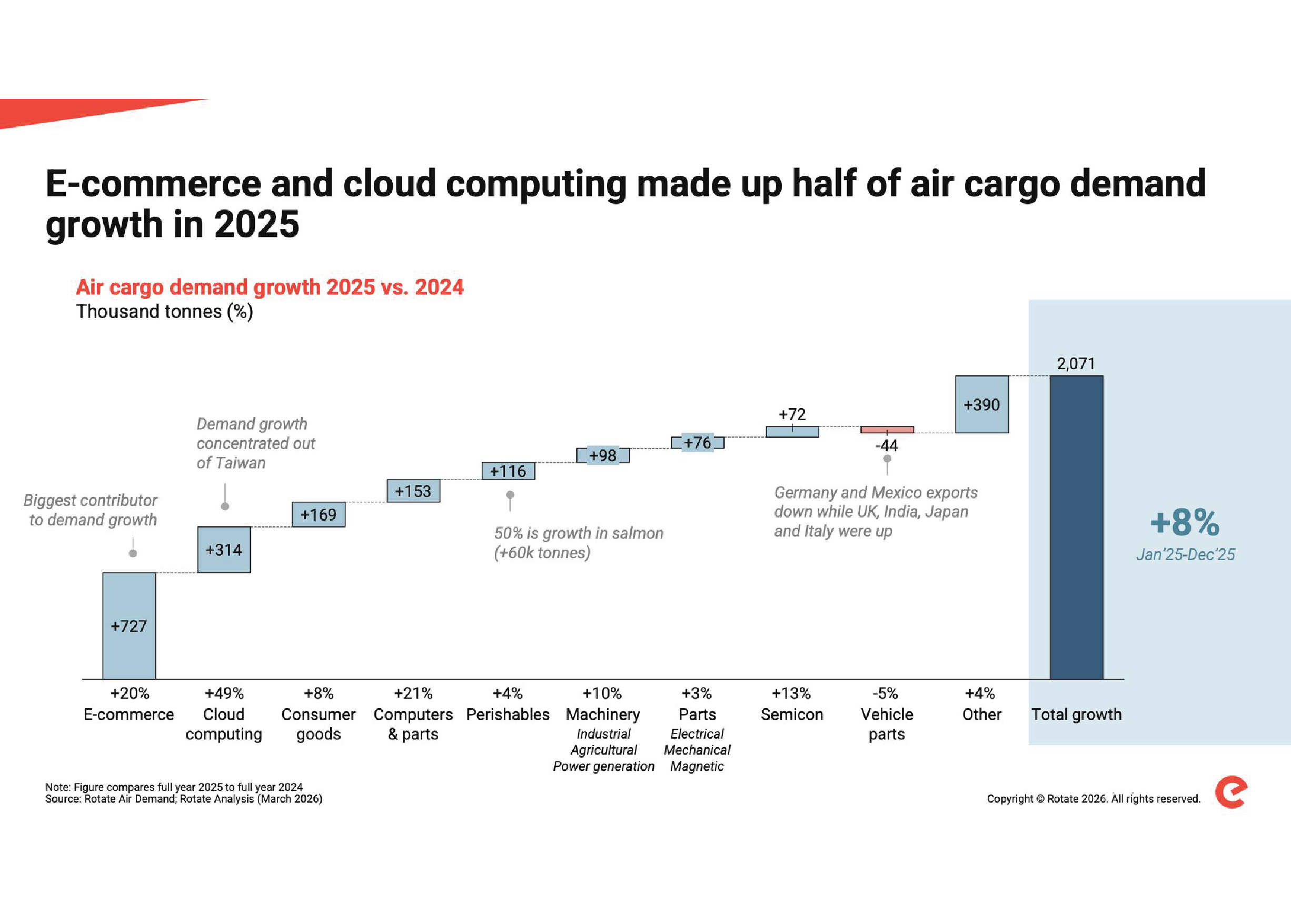
Airfreight capacity is continuing to come under pressure as a result of rising demand for AI and computer chip products and a reduction of bellyhold capacity
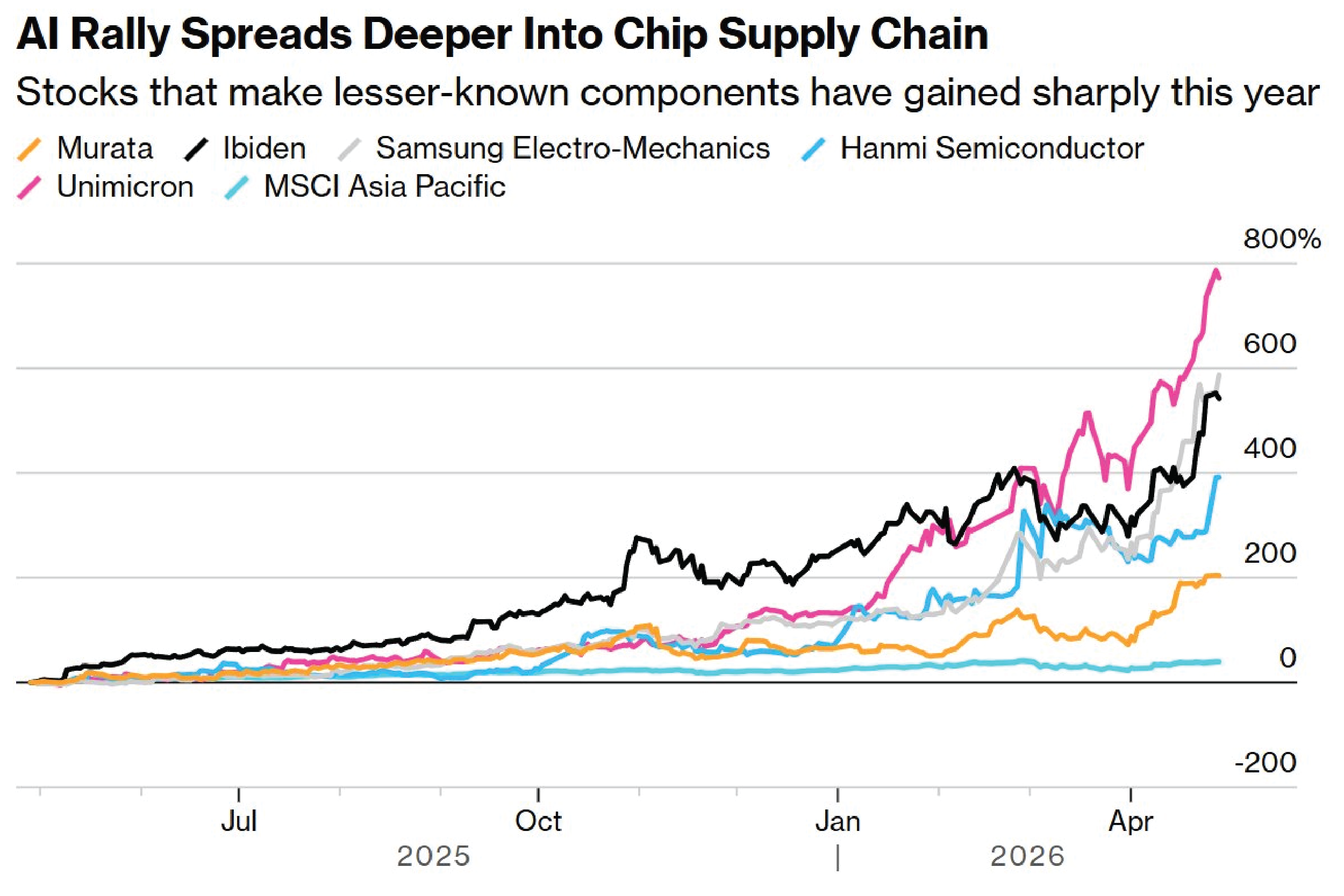
The artificial intelligence rally exploding across Asia is now spreading deeper into the supply chain.
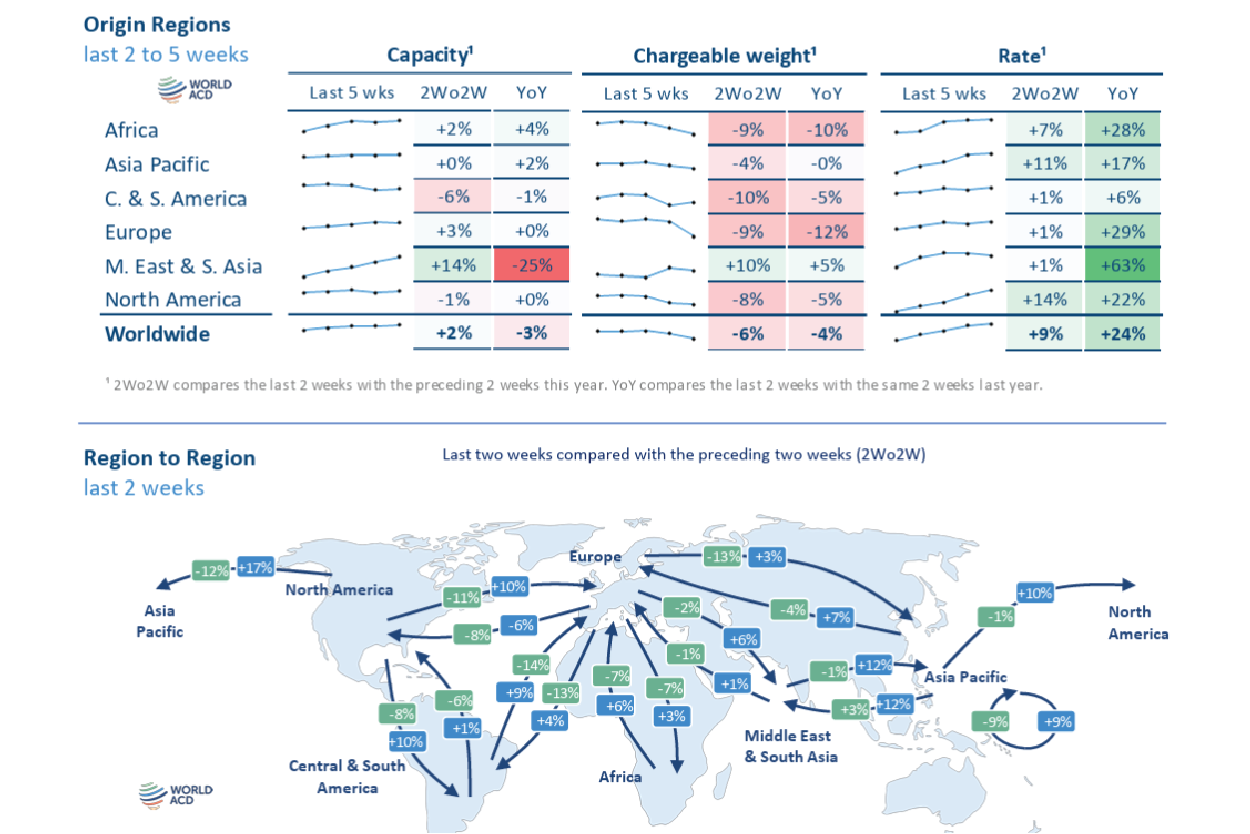
Global air cargo rates have continued to rise despite a further drop in worldwide tonnages, linked to Easter holidays and additional bellyhold capacity returning to Gulf markets.
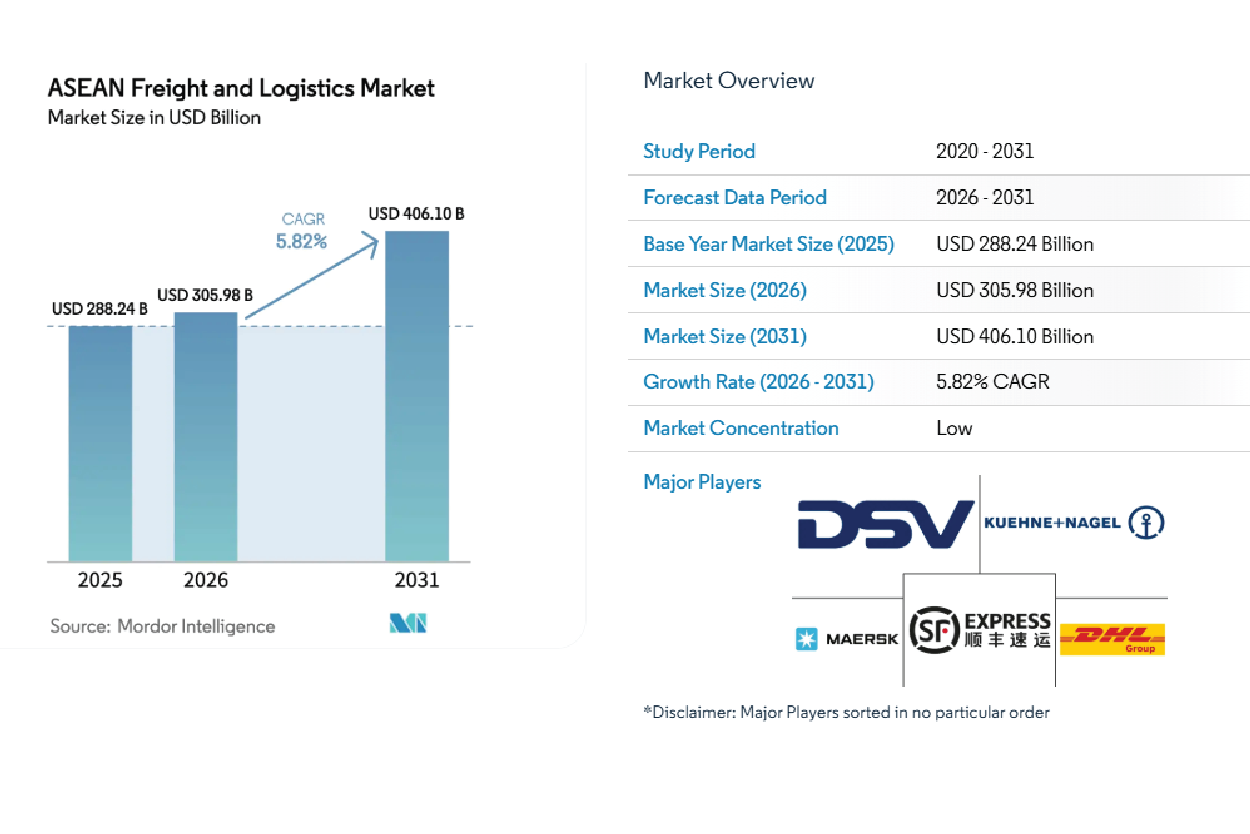
The ASEAN freight and logistics market size is projected to reach USD 406.10 billion by 2031, growing at a CAGR of 5.82% from 2026 to 2031.
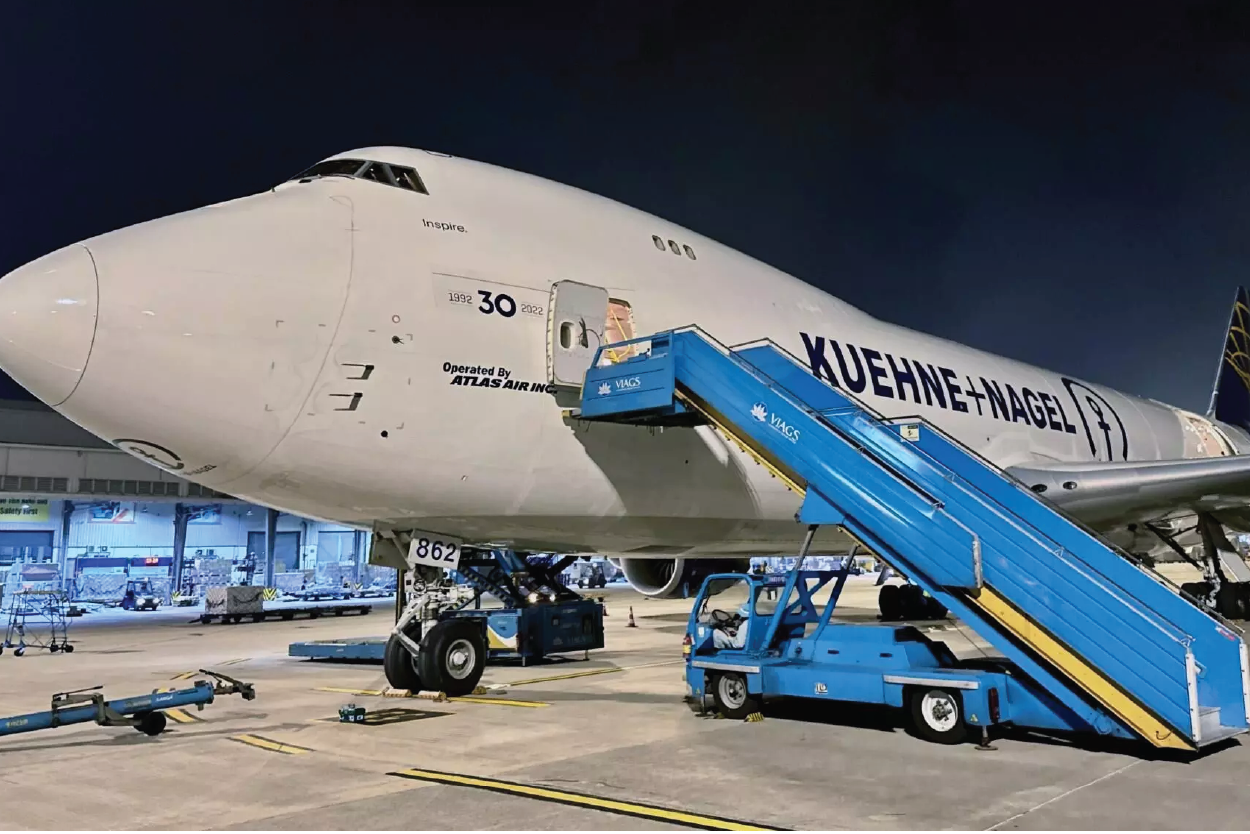
Global air cargo networks adapt to Middle East airspace closures, rerouting through alternative hubs and longer paths, impacting cost, time, and trade.
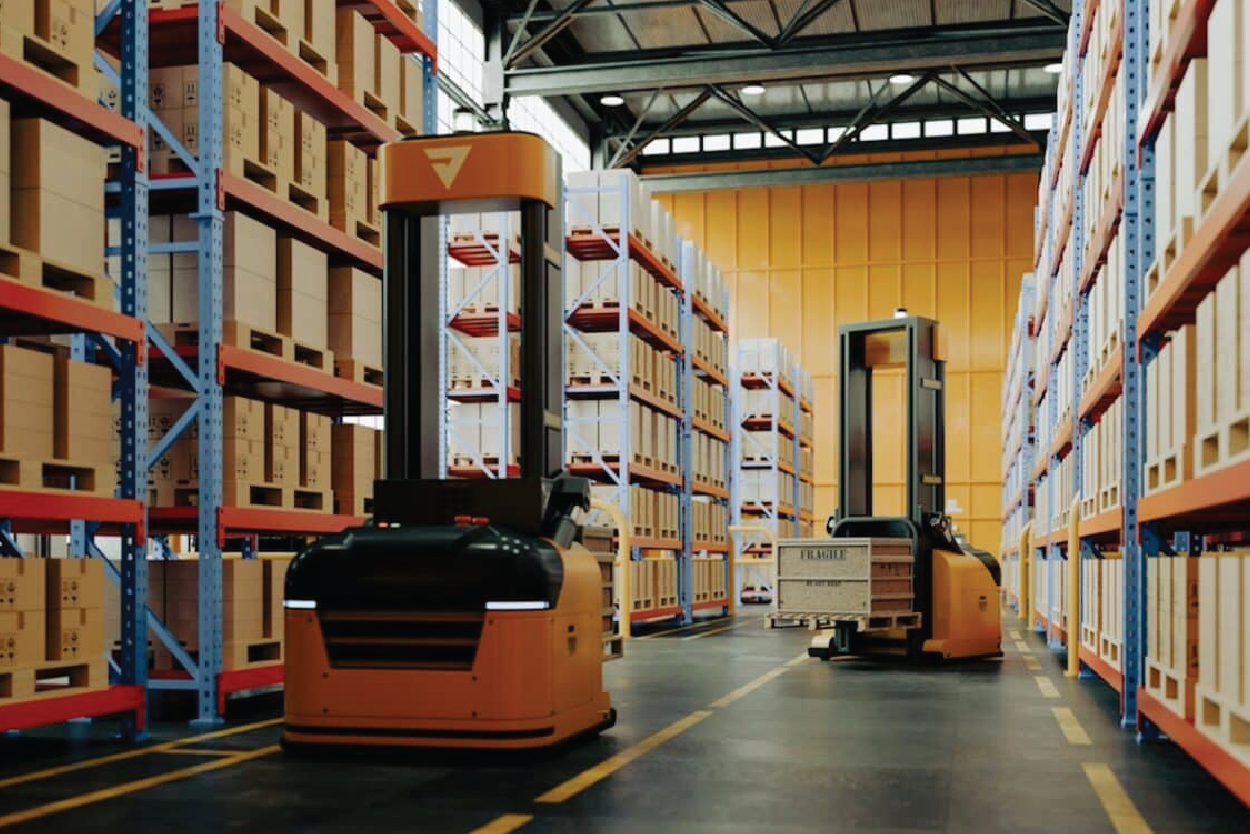
The report concludes that competitive advantage will depend on how effectively organisations integrate AI, automation and analytics into end-to-end operations, rather than...
The infrastructure supporting air freight handling at airports has long been neglected. There are answers but funding is an issue.

 ALS
ALS