


The infrastructure supporting air freight handling at airports has long been neglected. There are answers but funding is an issue.
An airport is a well-oiled machine that exists to efficiently move passengers and cargo. Or at least, it should be. Congestion problems have long been a concern for anyone attempting to move cargo in or out of an airport, but COVID particularly exacerbated these issues and since then, these issues have become more prominent. Brandon Fried, of the Airforwarder’s Association, says, “It’s not about going back but about moving forward smarter. COVID exposed structural weaknesses: labor shortages, lack of visibility, and brittle supply chains. The industry has already proven it can adapt quickly when forced to. The challenge now is sustaining that urgency without a crisis driving it.” Fortunately, discussions of these problems have begun.
Infrastructure issues plague air freight handling
The clear cause of this unfortunate problem is infrastructure issues. This can be broken down into the various types of infrastructure, as each part forms a larger whole. The overall problem cannot be solved by only tackling one section of infrastructure. If this isn’t handled at the root, the issue will continue to perpetuate itself.
Many have stories about how their businesses have been affected. Brendan Magee of Dachser, for instance, states that for him, “the most pressing challenge in recent years had / has been the excessive wait times for trucks at airline terminals.” His experience with the JFK International Airport is that the airport lacks the infrastructure for the volume of cargo it transports.
The Airforwarder’s Association has some ideas on what to do about it, which were presented to Capitol Hill on July 23, 2025. Brandon Fried and the Airforwarder’s Association hope that these suggestions may lead to policies being implemented that will mitigate these congestion issues. Since air cargo is an integral part of the US economy, and it only continues to grow, solving this will only be beneficial for the future of this country. Without smooth and efficient air cargo, transporting cargo, especially time sensitive cargo, would quickly become a frustrating endeavor.
The various causes of air freight congestion
In the GAO report, it is stated that, “Among each element of infrastructure we reviewed, more than two-thirds of stakeholders reported challenges with warehouses, truck areas, and roadways.” In addition, there were also issues identified with cargo aprons, which ties into the issues with other infrastructure.
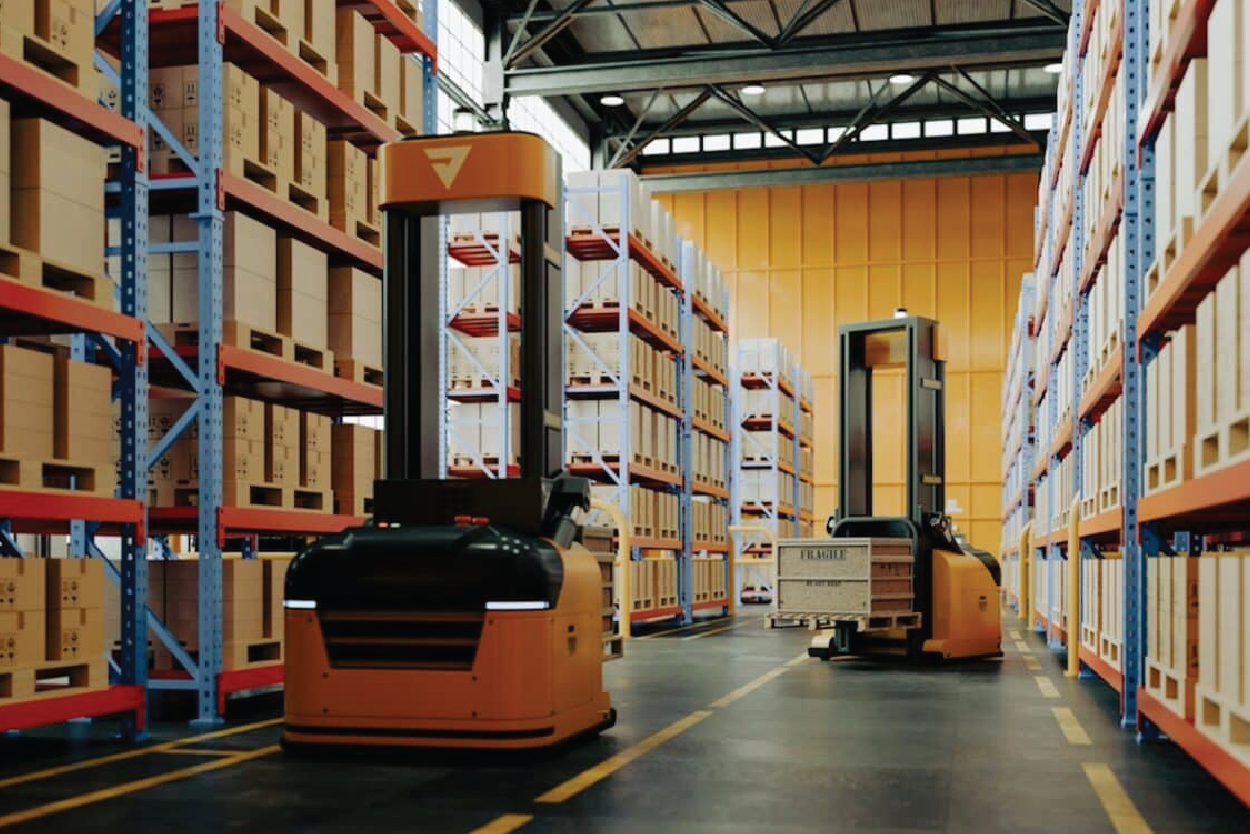
Warehouses, for instance, are often old, potentially even 40+ years old. This means that quite often, there are physical problems which need to be repaired, such as a leaking rooves or holes in the walls, which can cause damage to cargo. Warehouses are often not configured in a way that is efficient for transferring cargo, with obstructions or low ceilings, and the access points for cargo vehicles may be minimal. This causes issues loading and unloading cargo.
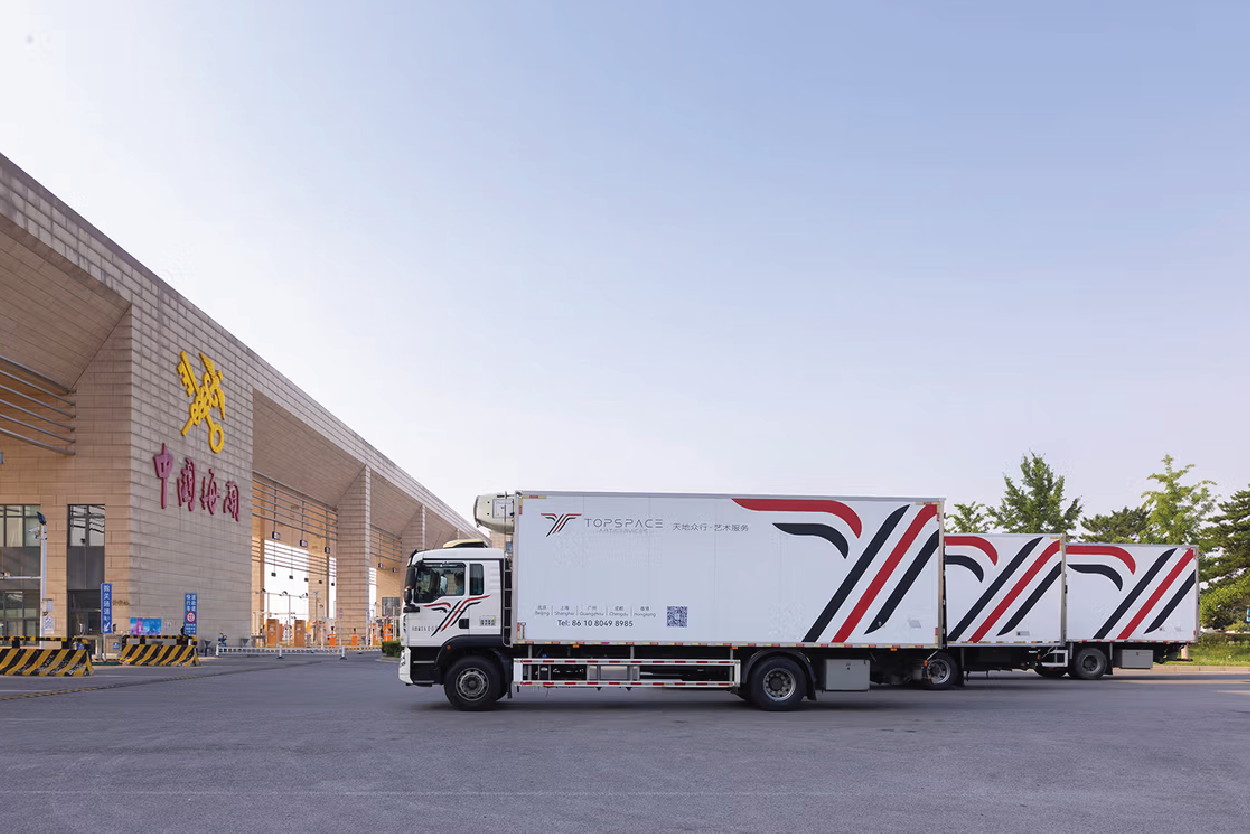
Similarly, roadways are often not well maintained, with potholes and deterioration. If a roadway is too small to admit cargo vehicles, the driver must find an alternate route or risk an accident. Many roadways are not prepared for a modern cargo vehicle, once again increasing the risk of an accident. Truck areas, such as parking, queuing, and staging areas, suffer from similar issues, with often being too few, too small, and quite crowded.
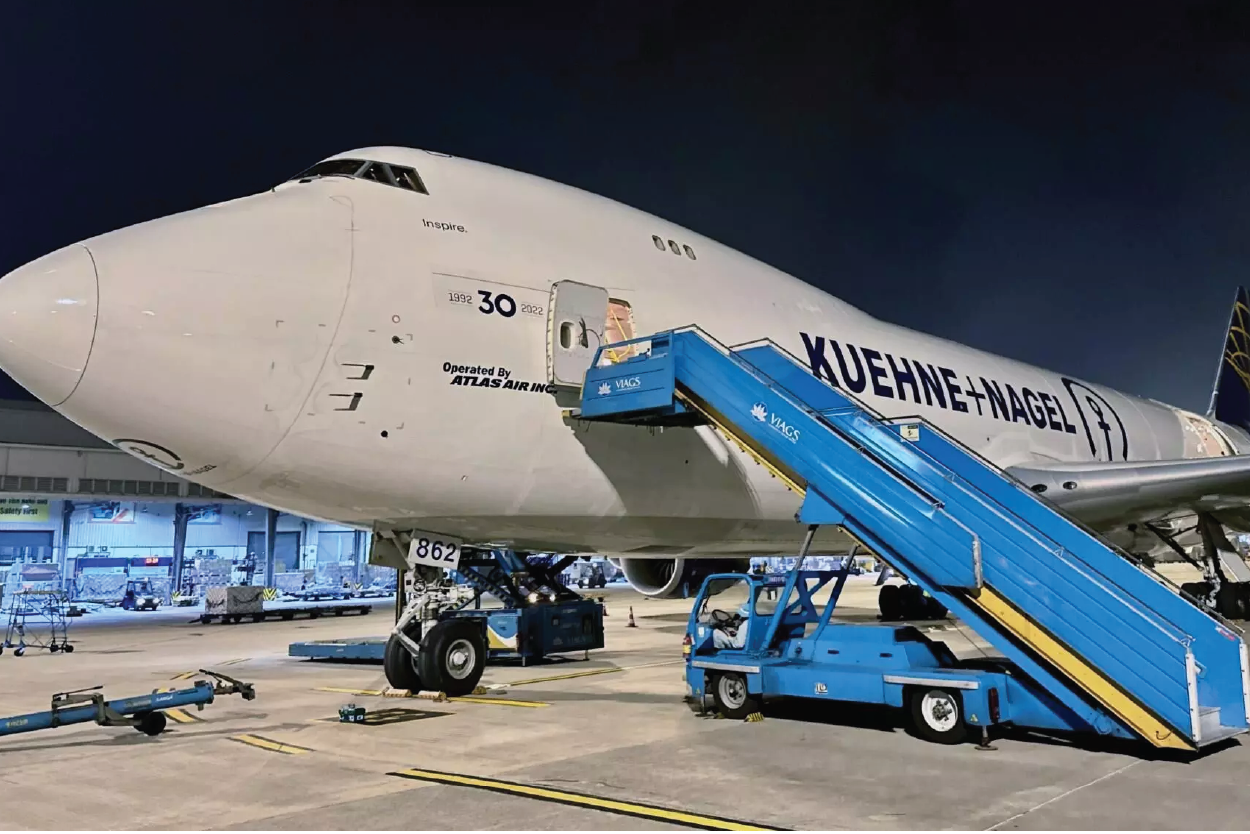
Cargo aprons, as well, are often old and have not been updated. Many cargo aprons are too small to accommodate jumbo aircraft and the equipment needed to unpack cargo. The parking spaces are often too far from warehouses for efficient movement.
There are several issues that each of these share. Age and outdated design are common complaints, with size being a related issue. Often, there is not enough space, and what space there is can be too far away. Warehouses, for instance, are located too far from infrastructure such as airline terminals, meaning that cargo cannot be quickly and efficiently transferred from airplane to warehouse.
In addition to the physical infrastructure limitations, there are often other challenges that may arise. Staff availability can be an issue. Digital infrastructure, security, and customs issues were also mentioned frequently. Another issue is energy demands. Since, as previously mentioned, quite a bit of the physical infrastructure has not been updated, energy demands can be higher than a warehouse can handle. The combination of all of these factors leads to congestion.
Solutions to failing air cargo infrastructure
In his comments to AJOT, Brandon Fried also said, “Progress is underway, but the path forward is clear: treating air cargo as critical infrastructure and advancing coordinated solutions that improve efficiency across the entire cargo ecosystem—not just at individual bottlenecks.” As he sees it, the greatest challenge to the air cargo industry making the critical repairs needed is fragmentation, as, “Airports, airlines, forwarders, ground handlers, and regulators all operate on different timelines, budgets, and priorities. Until someone takes ownership of coordination, even well-funded solutions stall out in execution.”
The first step to solving these issues is the report that was presented to Capitol Hill. Informing the DOT of the severity of the air cargo congestion problem means that there is a motivation to fix this problem. Now that the problem has been articulated, solutions can begin to be implemented. Both the Airforwarder’s Association and Capitol Hill “agreed that airport truck congestion is a visible symptom of broader constraints across the air cargo system—not the root problem.”
Funding is an obvious necessity. With the sheer breadth of repairs and upgrades needed, the expense is high. However, providing the funding will save everyone involved money in the long run. The Airforwarder’s Association suggests making a State or Federal “Air Cargo Support Fund.” This fund would provide the money needed for upgrading and developing infrastructure.
Using this funding, airports must be overhauled. When asked what the most crucial piece of infrastructure to focus on was, Fried said, “Air transport. To remain competitive with European standards, we must overhaul cargo operations.” As it is currently, the land around airports is not being utilized properly, and the aging infrastructure must be updated. Once this has been handled, congestion can be eliminated.
Roadways obviously need to be updated, but another solution to the problem of truck congestion is to utilize the national rail system. This lessens the number of trucks coming and going, in addition to being far more environmentally friendly. Investing in rail only has benefits for the cargo industry.
Another set of suggestions from the Airforwarder’s Association is regarding employment. As this industry is not necessarily one that provides traditional 9-5 hours, trained professionals need the compensation that will make it worth it. Providing a sustainable living wage and exciting benefits will make attracting and retaining employees much easier. Once the employees are hired, they need training. The Airforwarder’s Association suggests an industry-wide training program, which would not only keep everyone on the same page, but would make sure employees understand how their role keeps everything running smoothly. In particular, TSA and CBP must know how to consistently interpret and enforce rules. If they do not, cargo will be stopped up. This is particularly dangerous for time sensitive cargo.
On the topic of attracting new blood to the industry, Brendan said, “Working for a German company, I’ve seen how Europe’s structured apprenticeships and sponsored university programs create intentional career paths in logistics. Europeans set out on careers in our industry. In the US, most people “stumble” into the industry rather than choosing it. I know when I first started I had no idea how cargo was handled, what freight forwarders and brokers were (and one of my uncles owned a brokerage company at JFK).To bridge this gap, we must expand collegiate logistics programs and better communicate our value proposition to the next generation: that our work is essential to global trade and societal well-being.”
In the end, all of these suggestions are dependent on funding. Only by banding together, and bringing attention to these critical infrastructure issues, will these problems be solved.
Source: https://airfreight.news/articles/full/ajot-congestion-problem-at-air-cargo-facilities
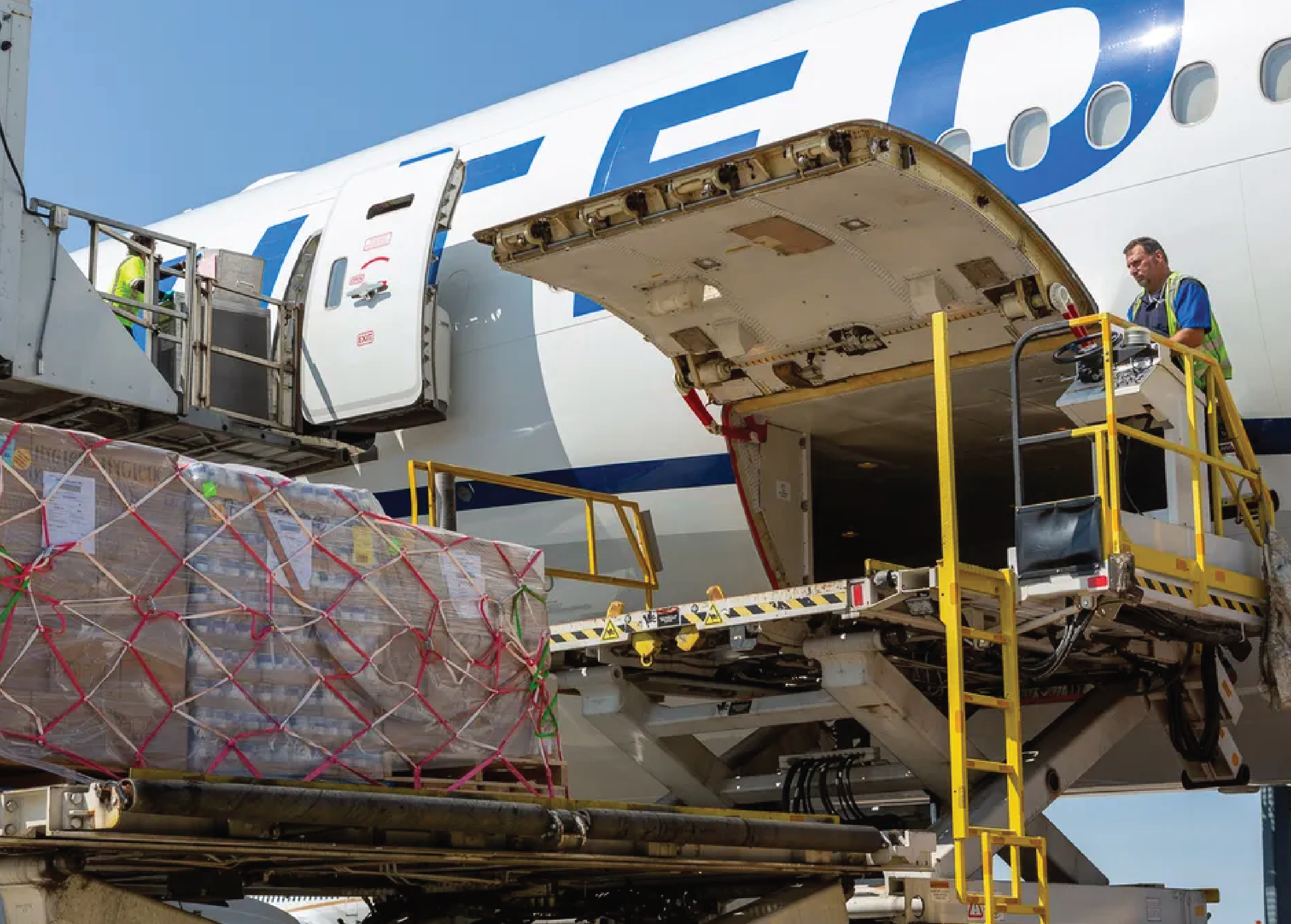
United Cargo, Air Canada Cargo and Cathay Cargo are among the airlines implementing fees to buffer the impact of higher jet fuel costs.

Despite saying the levy was “unauthorized by law,” the U.S. Court of International Trade did not issue a universal stay, instead providing injunctive relief for three parties...
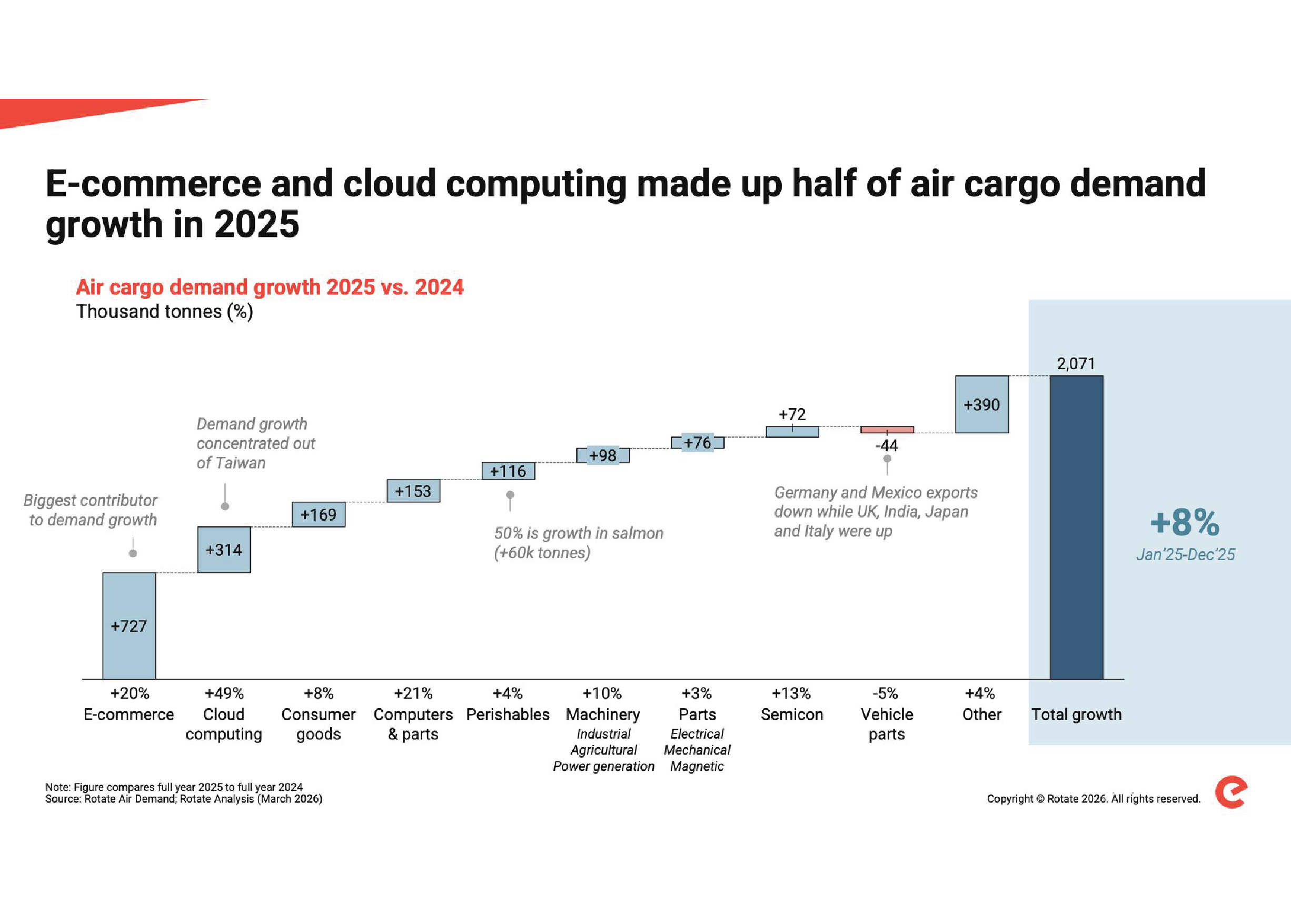
Airfreight capacity is continuing to come under pressure as a result of rising demand for AI and computer chip products and a reduction of bellyhold capacity

The artificial intelligence rally exploding across Asia is now spreading deeper into the supply chain.
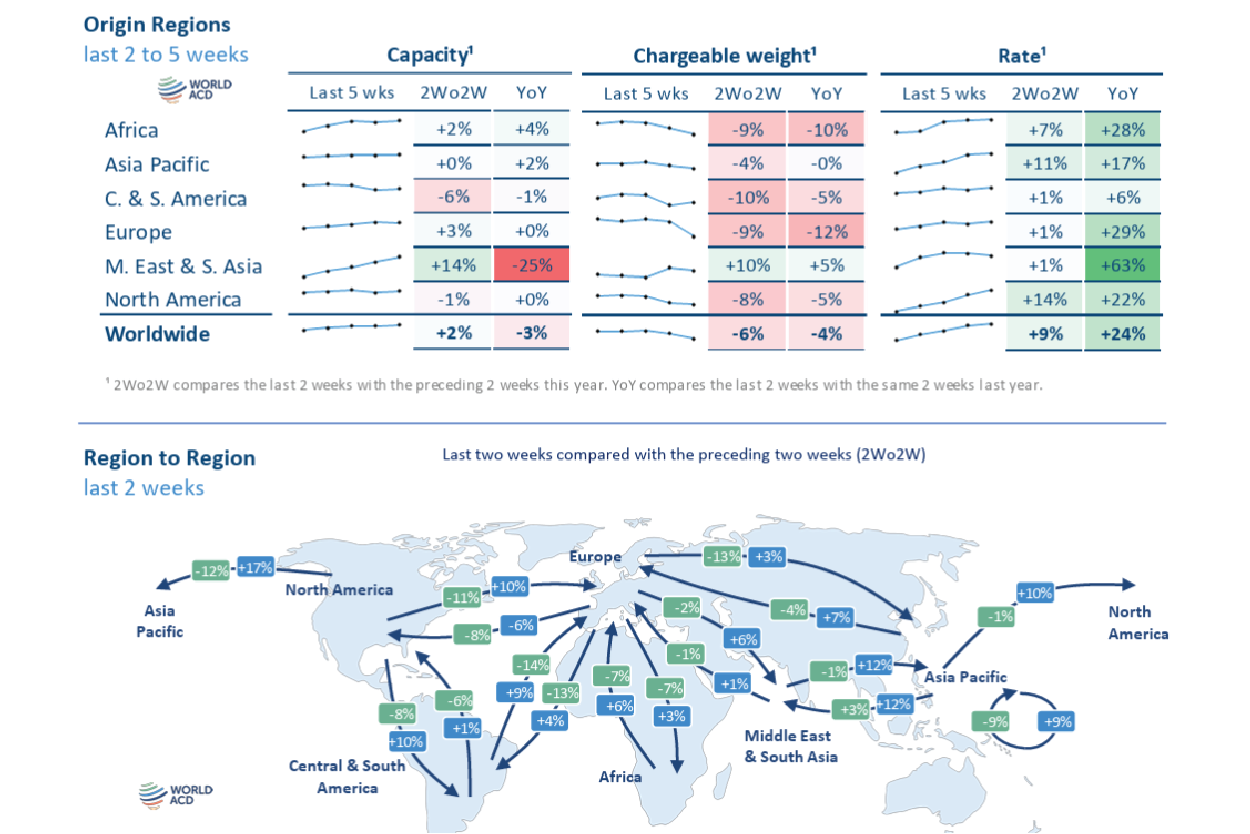
Global air cargo rates have continued to rise despite a further drop in worldwide tonnages, linked to Easter holidays and additional bellyhold capacity returning to Gulf markets.
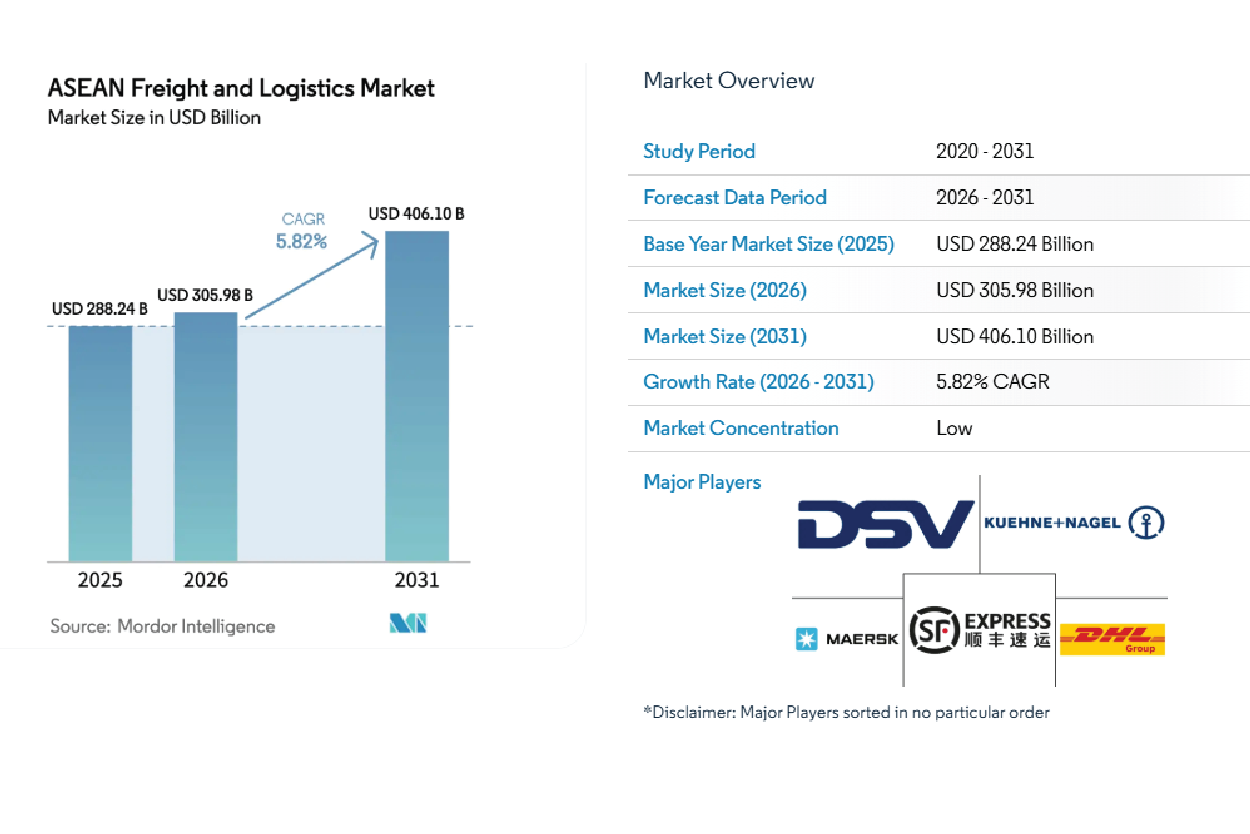
The ASEAN freight and logistics market size is projected to reach USD 406.10 billion by 2031, growing at a CAGR of 5.82% from 2026 to 2031.
Global air cargo networks adapt to Middle East airspace closures, rerouting through alternative hubs and longer paths, impacting cost, time, and trade.
The report concludes that competitive advantage will depend on how effectively organisations integrate AI, automation and analytics into end-to-end operations, rather than...
Rising oil prices affecting air freight and blocks to shipping routes are forcing Asian logistics firms to rethink plans and absorb losses

 ALS
ALS