


Airlines providing cargo services to the Middle East are gradually restarting limited operations and providing further clarity on their plans following the outbreak of fighting in the region over the weekend.
Figures from consultancy Rotate show that global cargo capacity is down by around 8% in the last 24 hours compared with a week ago. However, this is an improvement on the 18% decline recorded at the start of the week.
Outbound capacity from the Middle East to Europe is down 52%, but this is also an improvement on the 61% reduction recorded on Monday.
Capacity from Asia Pacific to the Middle East has remained at around 56-57% down week on week.
In its latest update, Emirates SkyCargo said that it commenced a limited number of flights on the evening of 2 March.
“As part of this phased resumption, we are prioritising clearing the cargo that is on hand,” the cargo division said. “All other flights remain suspended until further notice.”
The carrier is maintaining temporary restrictions on the booking and acceptance of all new shipments until it has further clarity on the operational schedule.
“The situation remains dynamic and is being continuously assessed. We urge all customers and partners to check shipment status regularly, review the latest operational updates skycargo.com, and monitor their registered email for any notifications regarding changes, rebooking and uplift status of the shipments,” it added.
Meanwhile, Etihad said that while its flights would remain suspended until 5 March, “some repositioning, cargo and repatriation flights may operate in coordination with UAE authorities and subject to strict operational and safety approvals”.
Meanwhile, the world’s largest cargo carrier, Qatar Airways Cargo, said in an update this morning that its flights remain grounded.
Qatar Airways Cargo flight operations remain temporarily suspended due to the closure of Qatari airspace,” the airline said
“Qatar Airways Cargo will resume operations once the Qatar Civil Aviation Authority announces the safe reopening of Qatari airspace.”
In an update issued yesterday, Lufthansa Cargo said that its flights – along with those of the Lufthansa Group – were suspended to Tel Aviv, Beirut, Amman, Erbil, Dammam, and Tehran until 8 March.
The following airspaces will also not be used until March 8: Israel, Lebanon, Jordan, Iraq, Qatar, Kuwait, Bahrain, Dammam and Iran.
“In addition, Lufthansa Group airlines will suspend flights to and from Dubai, Abu Dhabi, and Larnaca until 6 March 6. Furthermore, the airspace of the United Arab Emirates and Cyprus will not be used until March 6.”
Lufthansa added that Riyadh has been back on the regular flight schedule since 2 March without transport restrictions.
“Bookings for shipments to Tel Aviv, Beirut, Amman, Erbil, Dammam, Abu Dhabi and Dubai (DXB/DWC) are temporarily suspended until 12 March 2026, 23:59 hrs (local time),” the carrier added.
In an update issued yesterday, IAG Cargo said that flights between London and Abu Dhabi, Amman, Doha, and Dubai are suspended until 5 March, while flights between London and Bahrain and Tel Aviv are suspended until 6 March.
The cargo group added that flights between London and Larnaca were suspended on 3 March, flights between Madrid and Doha are suspended until 6 March and flights between Madrid and Tel Aviv are suspended until 10 March.
Flights between London and Jeddah and Riyadh continue to operate as scheduled, IAG Cargo said.
Meanwhile, Rotate yesterday issued research showing which countries would be most affected by the reduction in cargo flights from Middle East carriers, with Sri Lanka, Pakistan and Norway topping the list.
Source: https://www.aircargonews.net/editorial/2026/03/slight-lift-in-middle-east-cargo-capacity-but-disruption-continues/
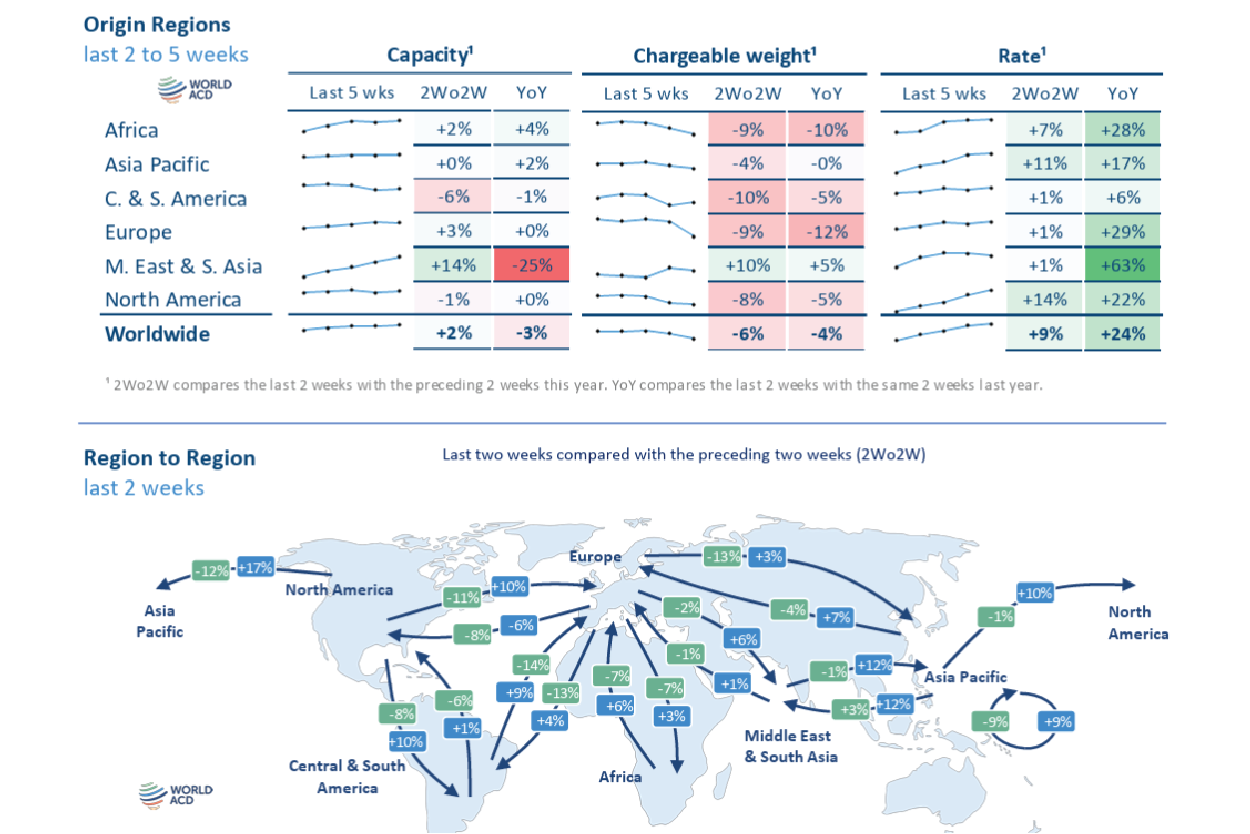
Global air cargo rates have continued to rise despite a further drop in worldwide tonnages, linked to Easter holidays and additional bellyhold capacity returning to Gulf markets.
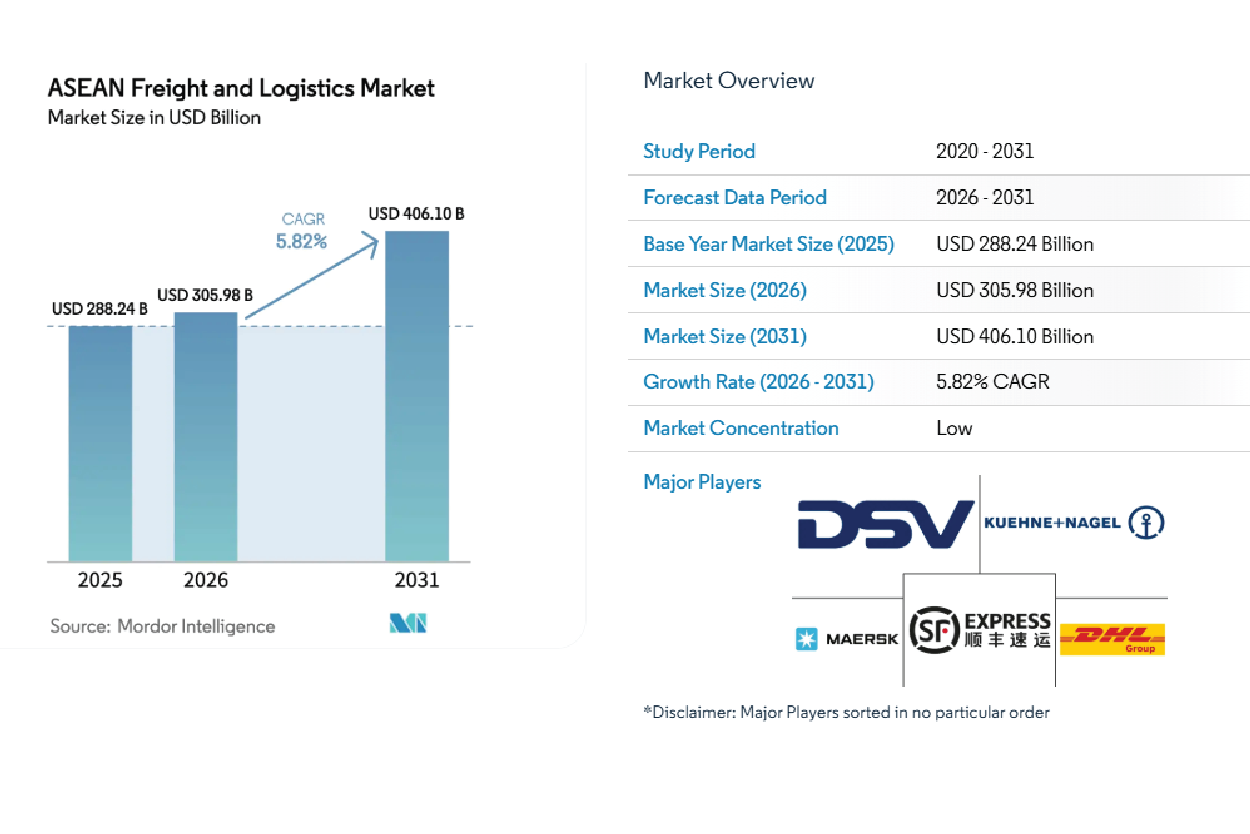
The ASEAN freight and logistics market size is projected to reach USD 406.10 billion by 2031, growing at a CAGR of 5.82% from 2026 to 2031.
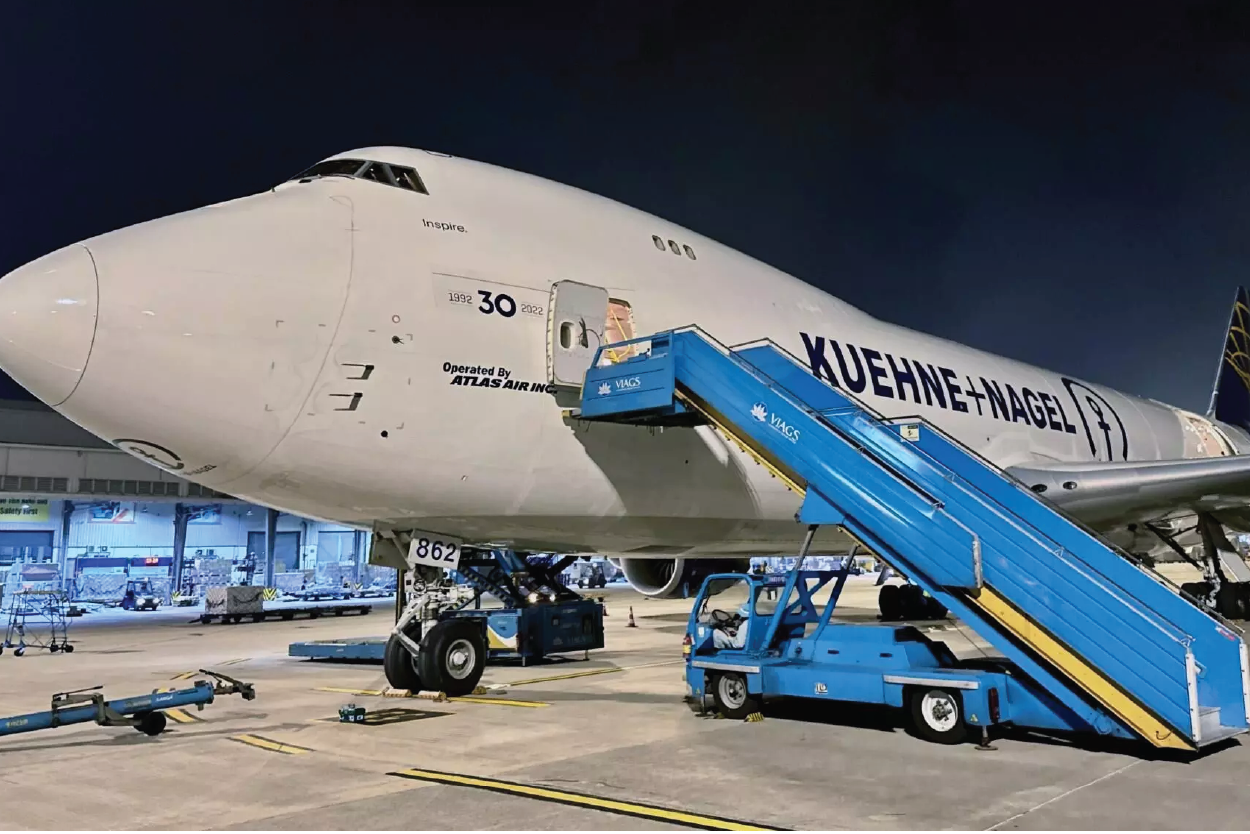
Global air cargo networks adapt to Middle East airspace closures, rerouting through alternative hubs and longer paths, impacting cost, time, and trade.

The report concludes that competitive advantage will depend on how effectively organisations integrate AI, automation and analytics into end-to-end operations, rather than...

The infrastructure supporting air freight handling at airports has long been neglected. There are answers but funding is an issue.

Rising oil prices affecting air freight and blocks to shipping routes are forcing Asian logistics firms to rethink plans and absorb losses
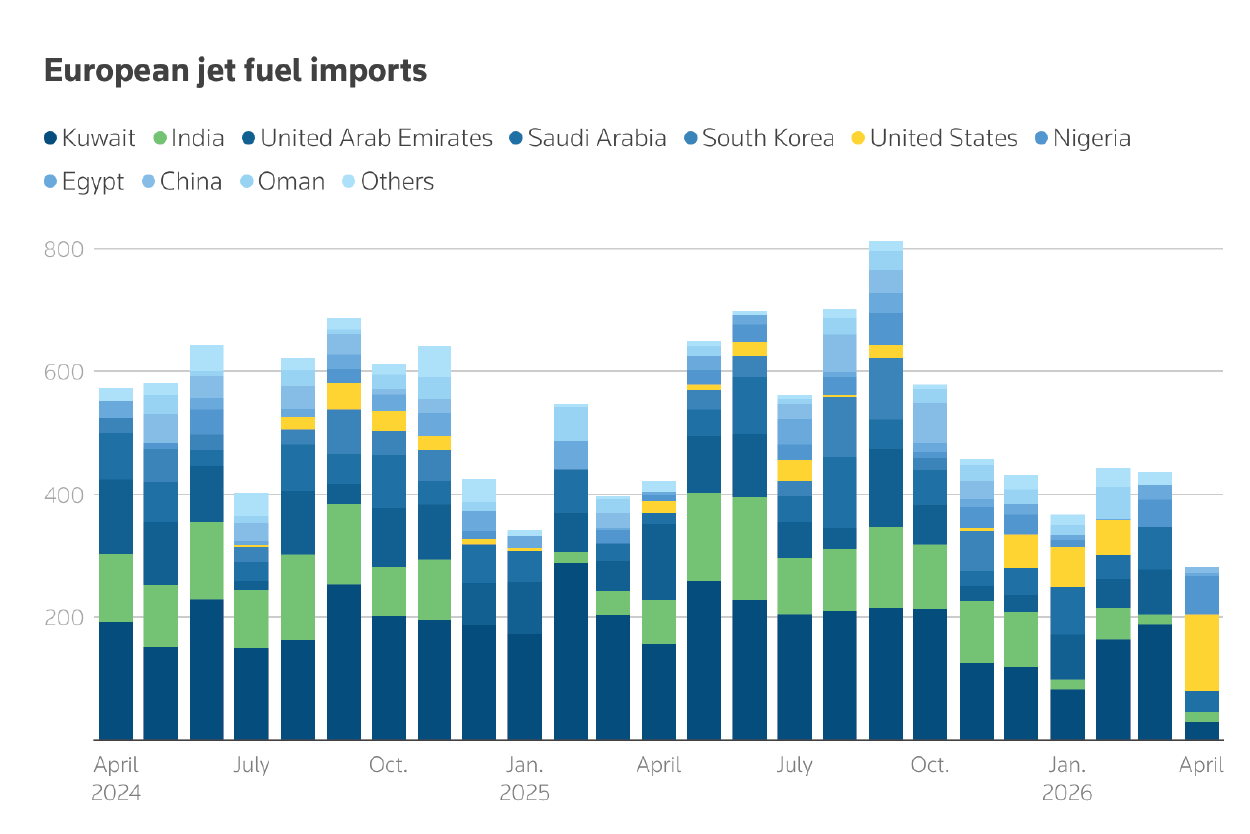
Flights in Europe could start to be cancelled from the end of May due to a lack of jet fuel
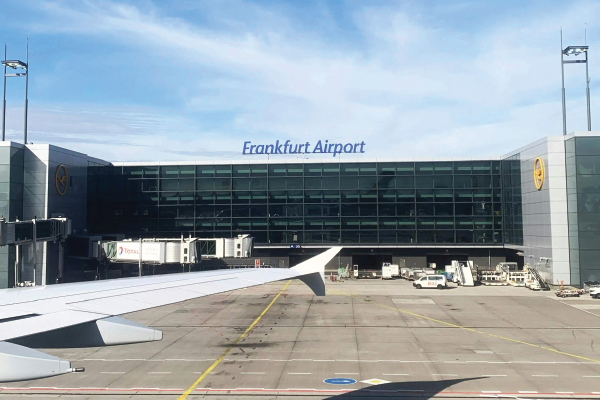
belly cargo decreased by 8%, mainly due to cancelled passenger flights to the Middle East.

The jet fuel crisis is no longer a short-term disruption. Even if geopolitical conditions stabilise, the structural impacts on fuel supply chains, refining capacity and global...
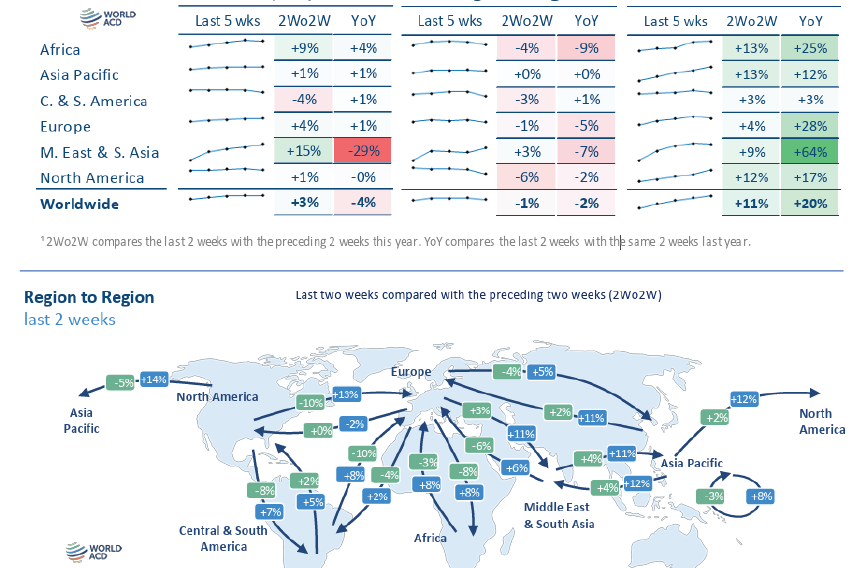
Air cargo exports from APAC declined -3% WoW to Europe and -1% to USA.

 ALS
ALS