


The latest numbers from air cargo data provider Xeneta show that air cargo demand increased by 6% year on year in February, following on from a 7% increase in January.
Capacity for the month increased by the lower amount of 4% year on year and as a result of demand growing faster than supply, the dynamic load factor was up two percentage points to 62%.
The average spot freight rate was up 5% year on year to $2.58 per kg – the first monthly increase since May 2025.
Xeneta said the increase in demand and rates reflected the timing of the Lunar New Year in Asia and the continued depreciation of the US dollar compared to a year ago.
Most industry commentators have been predicting a moderation in demand growth in 2026, with the general consensus pointing towards an increase of around 2-3% for the year as a whole.
Two trade lanes saw spot rates increase by double-digit percentage levels in February: Europe-North America spot rates in February were up 21% year on year, while Northeast Asia-North America rates improved by 10% due to demand for semiconductors.
“Tariff impacts, however, weakened China to US air cargo demand, while China to Europe volumes remained relatively stable, but neither corridor repeated the typical pre-holiday cargo rush at the start of 2025,” Xeneta said.
“This hints at what’s likely to happen in 2026. Some Asia-based airlines with strong exposure to e-commerce remain optimistic about growth prospects in 2026, while others are taking a more cautious, wait-and-see stance.”
The military strikes from Iran, the US and Israel resulted in a 12% of global air cargo capacity from the market, Xeneta said.
Meanwhile, major regional hubs – such as Doha, Dubai, and Abu Dhabi – temporarily suspended flight operations amid multiple airspace restrictions, causing an immediate impact on the Asia–Europe air cargo corridor.
Prices on affected trade lanes could triple if the conflict is protracted, Xeneta warned.
“The revenue impact of disrupted flight timetables is just one of the concerns for airlines. Jet fuel, a major airline cost component, could also rise materially if crude prices continue to climb,” Xeneta said.
“If the conflict is brief and flights to/from the Middle East resume quickly, markets will normalise faster and reduce concerns of a longer-term spike in oil prices, but protracted disruption lasting weeks is likely to mean prices on affected markets could double or even triple.”
“A further escalation of the conflict could trigger a global energy shock and stagflationary pressures reminiscent of the 1970s, with sharply higher oil prices and a significant correction in equity markets, both unwelcome developments in relation to trade volumes, shipping costs, and retail prices.”
Xeneta said that airlines are likely to deploy more direct Asia-Europe flights or conduct technical stops in central Asia, depending on traffic rights, airspace availability and operational constraints.
With container shipping now reverting to routing around the southern tip of Africa to avoid the Middle East, air cargo could be boosted once airlines can resume normal operations.
Looking to the rest of the year, Niall van de Wouw, Xeneta’s chief airfreight officer, said: “If we only had February’s data to focus on, we would say the start of the year has been encouraging for the air cargo market. Now, the stakes are raised.
“Past reactions to previous macro-events show that the global airfreight industry is highly skilled in finding and creating solutions.
“But it will come at the price of higher logistical costs for the owner of the goods. But I am sure they will temporarily have no issue with paying such additional fees as long as they can serve their customers on time
“In the coming weeks, we might see (again) the vulnerability and strength of the airfreight industry in the spotlight.”
Source: https://www.aircargonews.net/data/2026/03/air-cargo-demand-continues-its-strong-start-to-the-year-in-february/
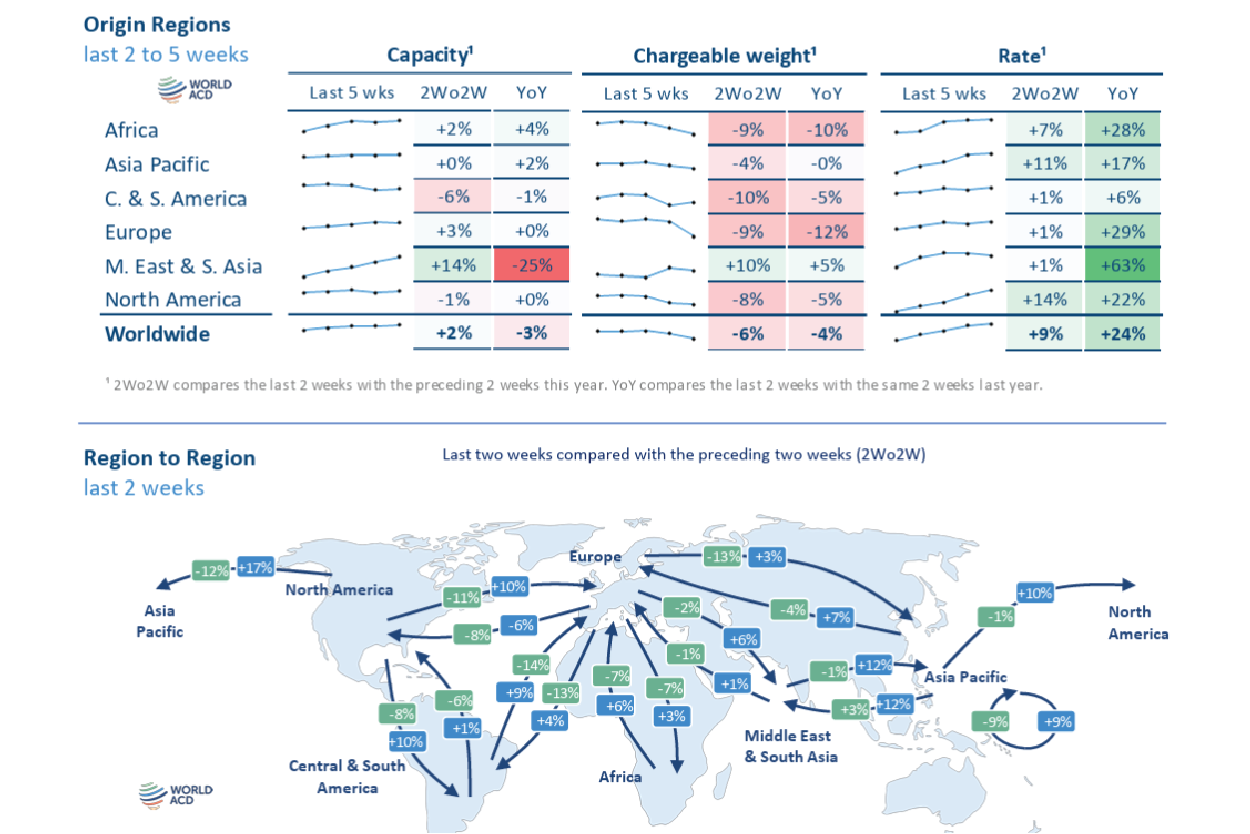
Global air cargo rates have continued to rise despite a further drop in worldwide tonnages, linked to Easter holidays and additional bellyhold capacity returning to Gulf markets.
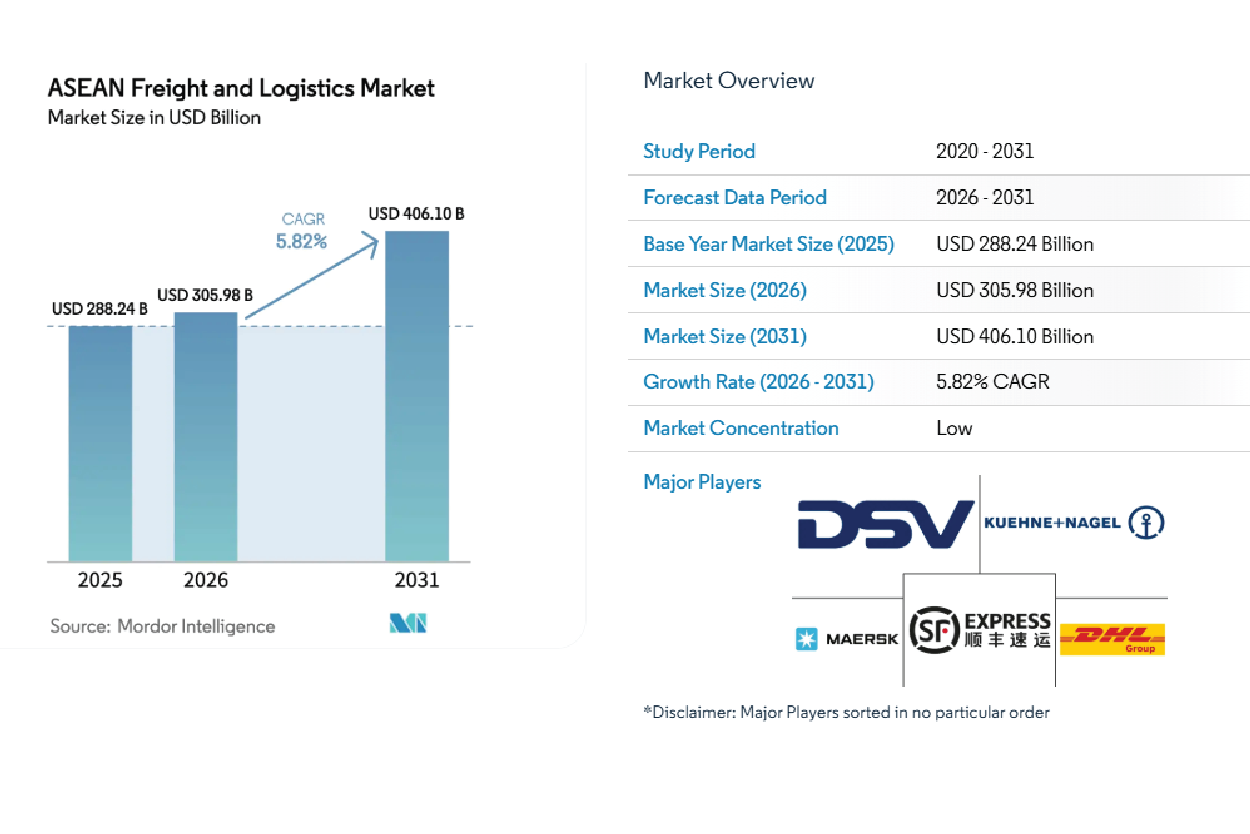
The ASEAN freight and logistics market size is projected to reach USD 406.10 billion by 2031, growing at a CAGR of 5.82% from 2026 to 2031.
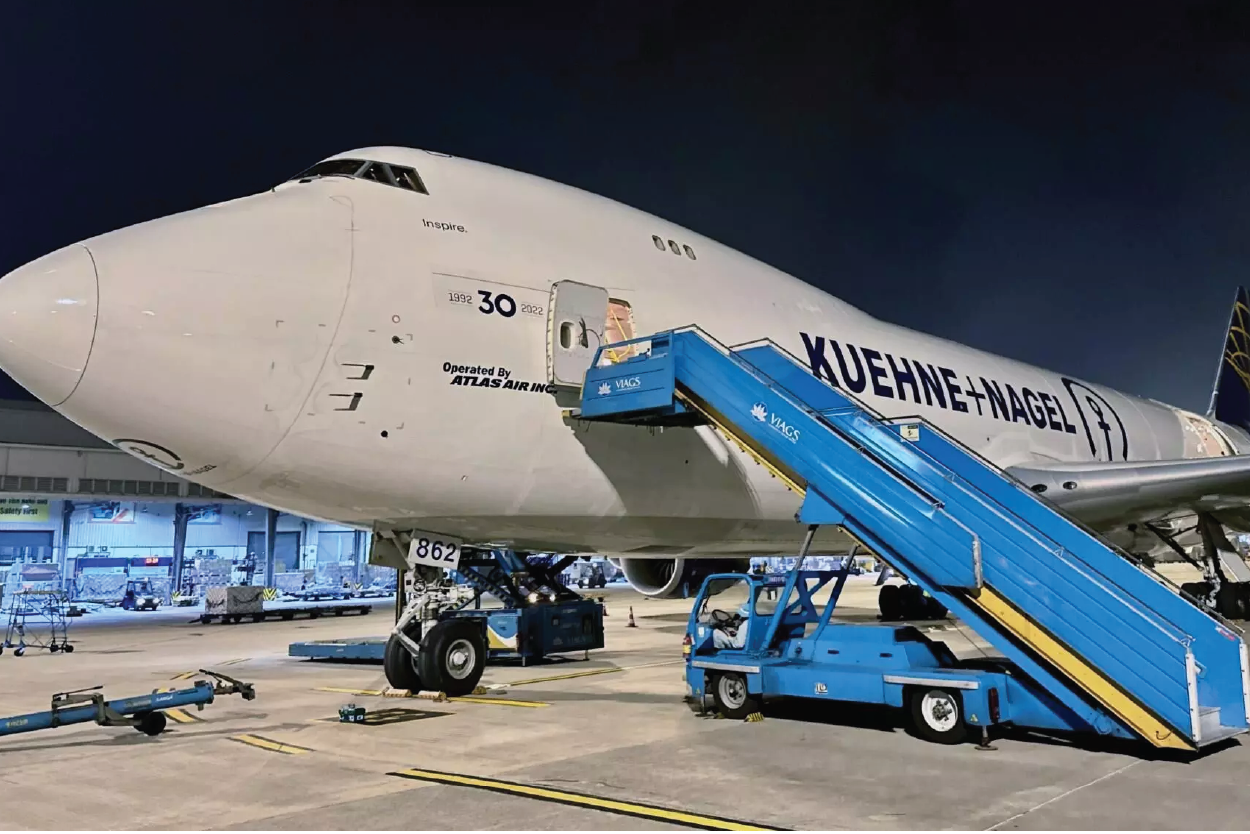
Global air cargo networks adapt to Middle East airspace closures, rerouting through alternative hubs and longer paths, impacting cost, time, and trade.

The report concludes that competitive advantage will depend on how effectively organisations integrate AI, automation and analytics into end-to-end operations, rather than...

The infrastructure supporting air freight handling at airports has long been neglected. There are answers but funding is an issue.
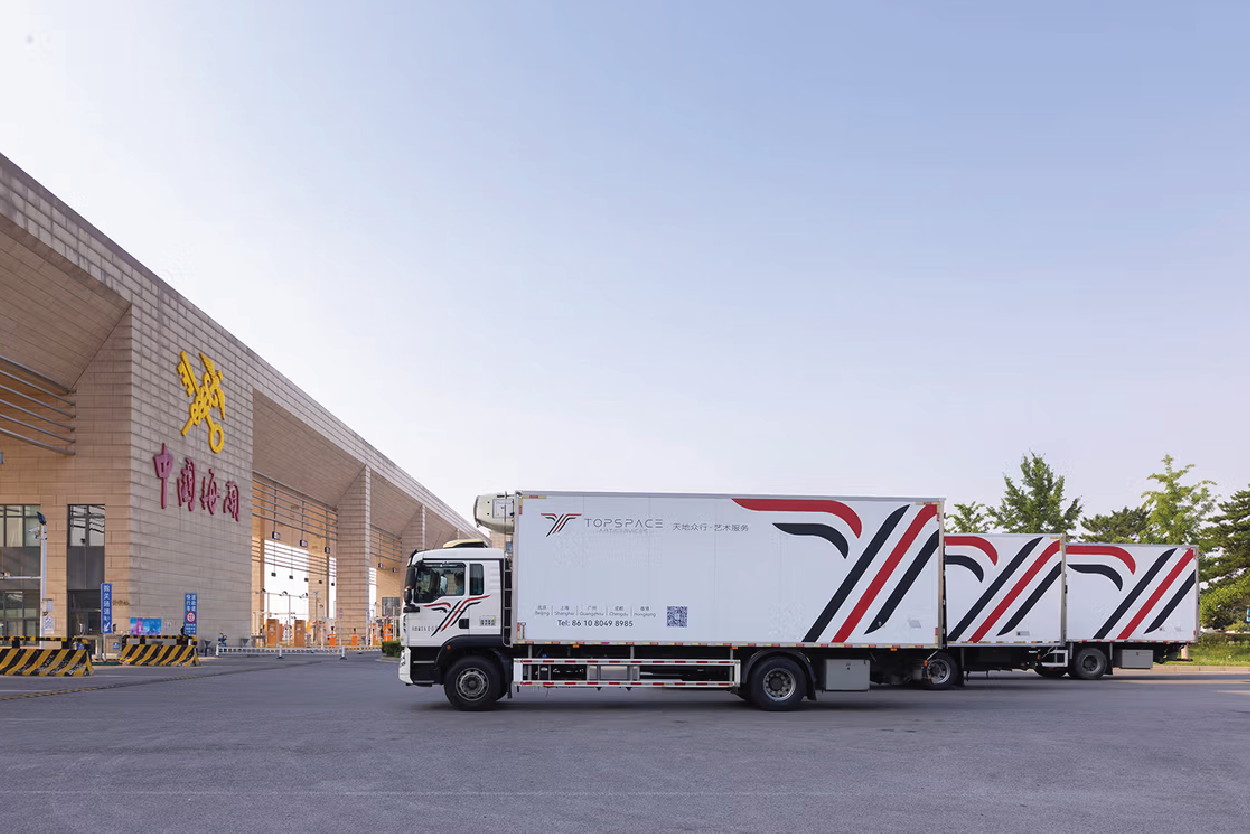
Rising oil prices affecting air freight and blocks to shipping routes are forcing Asian logistics firms to rethink plans and absorb losses
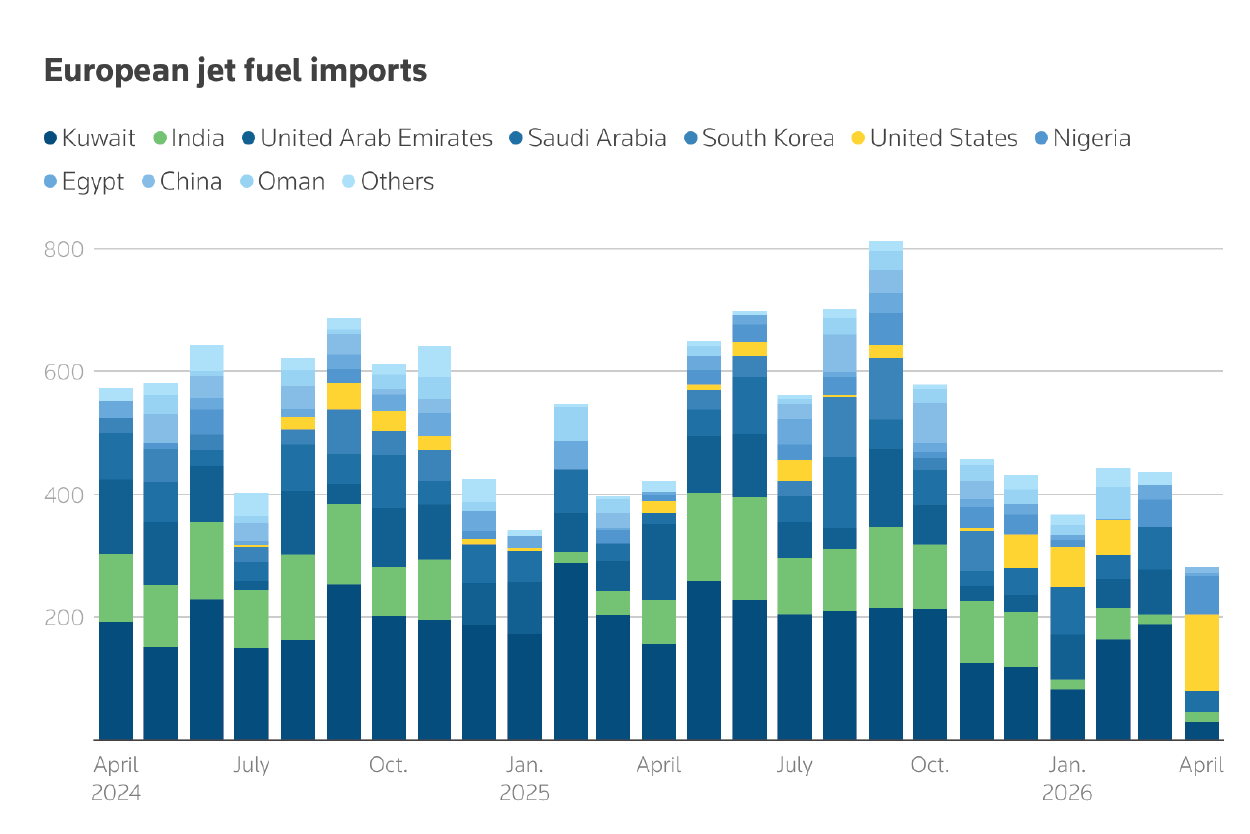
Flights in Europe could start to be cancelled from the end of May due to a lack of jet fuel
belly cargo decreased by 8%, mainly due to cancelled passenger flights to the Middle East.
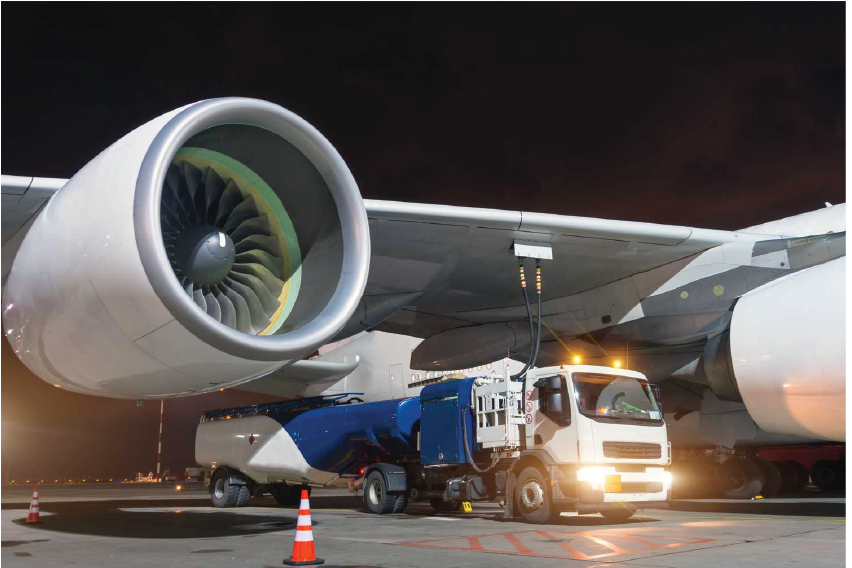
The jet fuel crisis is no longer a short-term disruption. Even if geopolitical conditions stabilise, the structural impacts on fuel supply chains, refining capacity and global...
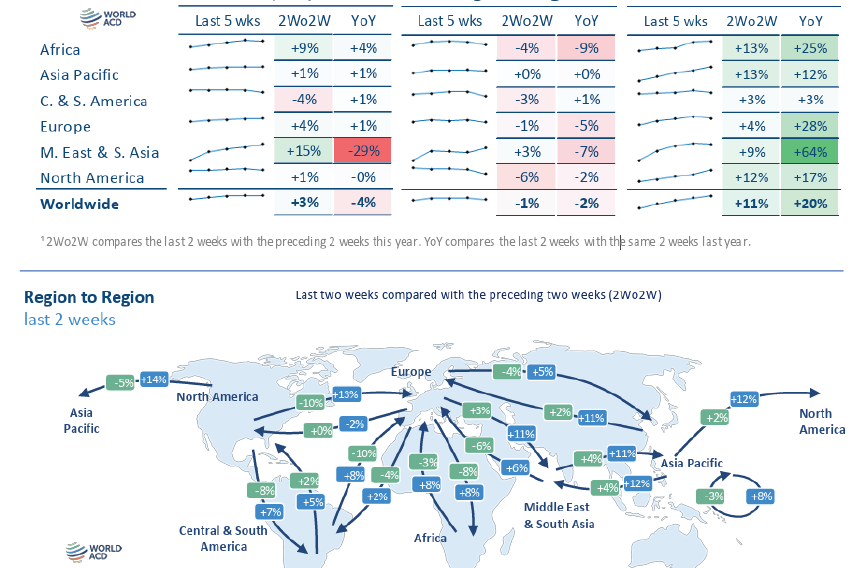
Air cargo exports from APAC declined -3% WoW to Europe and -1% to USA.

 ALS
ALS