


The US claims a deal is on the cards to reduce the eye-watering duties it imposed on imports from India – seemingly suffering from FOMO (fear of missing out) as it comes just a few days after India and the EU announced “the mother of all trade deals”.
The US and India have reportedly reached agreement to roll back the tariffs imposed last year due to India purchasing Russian oil.
After his call with India’s prime minister yesterday, President Trump claimed Narendra Modi had “agreed to stop buying Russian oil, and buy much more from the United States and, potentially, Venezuela”.
The deal would mean the 25% penalty tariff linked to those oil purchases would be eliminated, and the reciprocal tariff reduced, taking the total US duties on Indian imports to 18% from 50%. As yet, however, nothing related has been published as an executive order by the White House.
India has not commented on the exact details, but President Modi thanked President Trump and said he hoped to “take the partnership with the US to unprecedented heights”.
However, a more concrete development for Indian trade stakeholders came at the end of last week, when the country announced a free-trade agreement with the EU, hailed by the latter as “the most ambitious trade opening” India has ever granted to a trade partner.
India is currently the EU’s ninth-largest trading partner, with more than €180bn worth of goods and services moving annually. The deal is expected to double EU exports to India by 2032 by eliminating or reducing tariffs and will save around €4bn a year in duties on European products.
Glyn Hughes, director general of TIACA, shared: “The India-EU FTA will generate significant increases in trade between the world’s fourth-largest economy and the EU,” adding that “a number of specific measures” would “directly benefit” air cargo, including simplified customs procedures, reduced tariffs on machinery and auto parts, and specific provisions to support EU-based small businesses gaining access to Indian consumers.
India will reduce its tariffs on EU-made cars from 110% to 10%, and they will be abolished for car parts after five to ten years. Tariffs ranging up to 44% on machinery, 22% on chemicals, and 11% on pharmaceuticals will also be mostly eliminated.
Indeed, the European Association for Forwarding, Transport, Logistics and Customs Services (CLECAT) told The Loadstar: “The EU-India trade deal is a positive signal… it sends a clear message about deepening EU-India economic ties and, over time, this is likely to translate into greater long-term trade flows.”
For the logistics sector, CLECAT emphasised, it would likely see increased freight volumes on key air and maritime routes linking European and Indian ports, as well as create new opportunities for freight forwarders.
“But it is important to underline that it still needs to go through ratification on both sides,” it cautioned.
And Mr Hughes added: “While we fully support all free-trade agreements that impact bilateral trade positively, the timeframes may see a gradual build-up of volumes, rather than a huge initial expansion.”
Source: https://theloadstar.com/us-eyes-trade-deal-with-india-after-historic-eu-agreement/
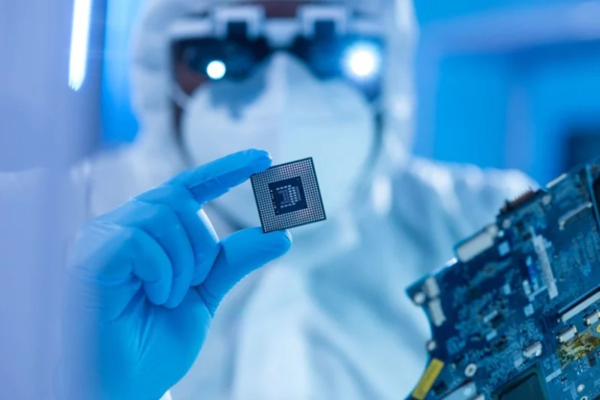
Việt Nam’s semiconductor exports grew at a compounded annual rate of 31.8 per cent between 2006 and 2025, while imports grew by 30 per cent a year during the same period.
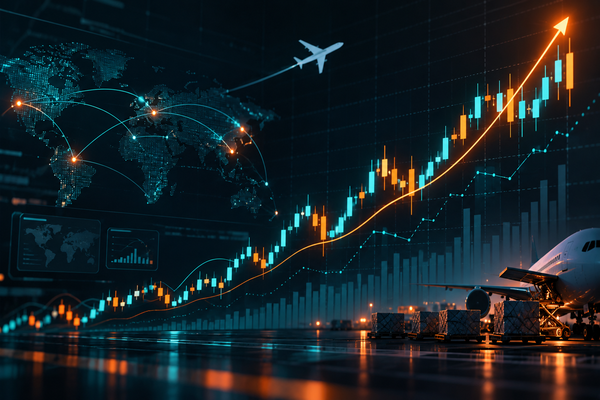
Airfreight rates appear strong as the peak season draws near, with year-on-year gains on transpacific lanes robust while Asia-Europe rates start to recover following the end...
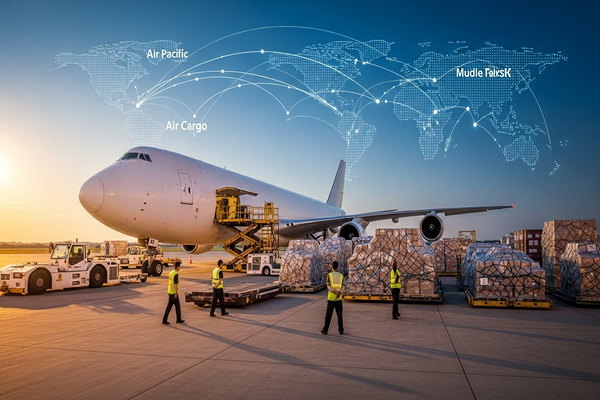
Data-centre investment is reshaping trade flows and putting new pressure on the industry's capacity balance, with hi-tech now the main engine of air cargo growth, according...
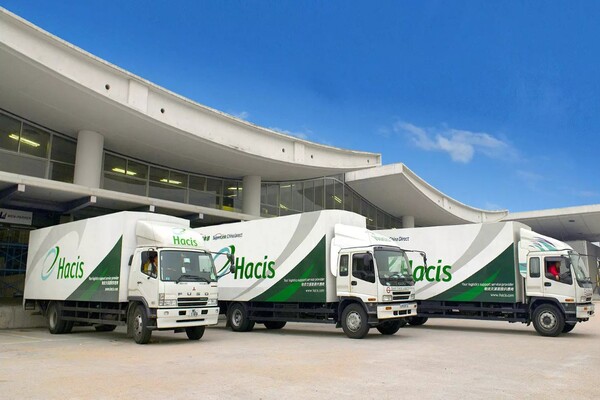
Building on the pilot shipment from Hanoi, Hacis is developing its Vietnam–Hong Kong road feeder service to offer exporters greater routing flexibility and access to Hong...
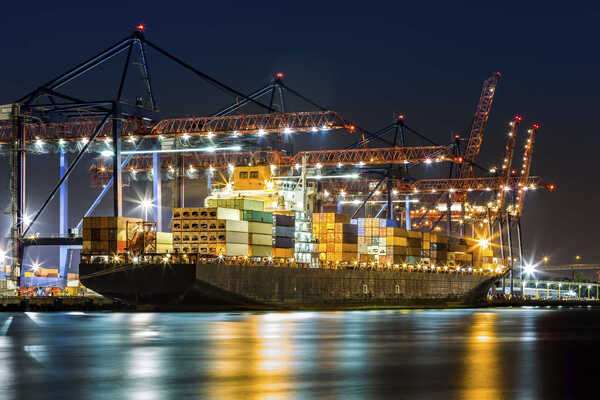
Container spot freight rates on Asia–Europe routes have rebounded after three consecutive months of decline, ahead of new Freight All Kinds (FAK) rate increases scheduled...
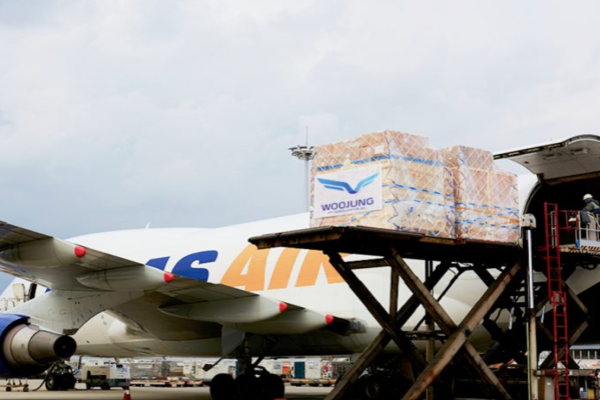
Samsung SDS is expanding its airfreight operations through the acquisition of South Korean cargo consolidator Woojung Air. The deal will strengthen Samsung SDS’s access to...
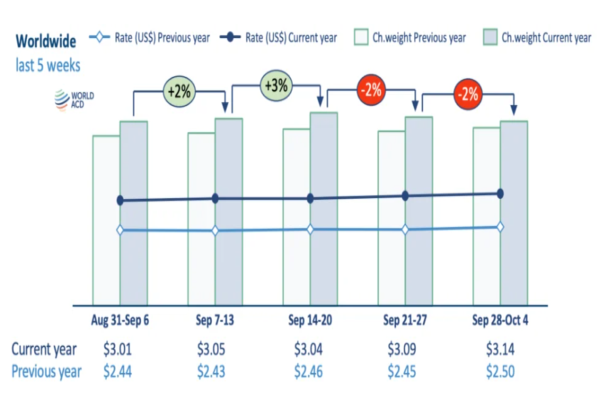
Worldwide air cargo tonnages bounced back strongly in September following their August lull, with volumes rising +3% compared with the previous month and growing +9%, year...
The rapid growth in demand for artificial intelligence (AI-related) goods that has consumed air cargo capacity out of Asia has also helped insulate global trade against tariffs...

Samsung SDS – the IT solutions and logistics arm of Samsung – is expanding its presence in air cargo through the acquisition of Korean airfreight consolidator Woojung Air...
Geopolitical uncertainty and digital transformation are reshaping global logistics, making supply chain resilience a strategic priority. FIATA emphasises the need for diversified...

 ALS
ALS