


Global air cargo tonnages rebounded strongly in the first full week of 2026 in a manner similar to last year, but with chargeable weight around +5% above the equivalent levels a year ago, according to the latest weekly figures and analysis from WorldACD Market Data.
Preliminary figures for week 2 (5 to 11 January) point towards a resumption of some of the broad trends experienced in 2025, in which cargo tonnages rose by an average of +4% across the full year, with rates averaging slightly below their level the previous year. It’s worth noting, however, that 2025 began relatively slowly, with year-on-year growth averaging +2% last January and February, and therefore early signs of year-on-year (YoY) growth in 2026 should be seen in that context.
Week-on-week rebound
Worldwide air cargo tonnages in week 2 recorded a +26% week-on-week (WoW) rebound, following consecutive steep weekly drops of -22% and -19% at the end of last year, leaving worldwide tonnages still -20% below their mid-December levels, based on the more than 500,000 weekly transactions covered by WorldACD’s data. The strong rebound in week 2 can be seen across all origin regions except for Africa.
Capacity partially returned after freighter services were cut back sharply at the end of last year from their peak levels in the final quarter, as is normal for the season. Freighter capacity regained more than +15% in week 2, WoW, although overall air cargo capacity remains around -7% down compared with mid-December.
Average worldwide rates slipped downwards by a further -2%, WoW, to US$2.46 per kilo. That’s around -10% below their average level in mid-December, but it’s slightly above (+1%) the $2.43 full-market average rate this time last year.
Year-on-year tonnage growth continues
The YoY worldwide tonnage growth of +5% in week 2 was led, in percentage terms, by increases in traffic from Middle East & South Asia (MESA, +16%), Asia Pacific (+8%), and North America (+7%) origins, although in absolute terms the biggest factor was a further YoY increase in cargo from Asia Pacific origins. That +8% YoY growth in cargo from Asia Pacific origins was in line with the average YoY increase in traffic from Asia Pacific origins of +8% for the full year in 2025.
Examining individual major markets from Asia Pacific also reveals a continuation of some of last year’s patterns, with tonnages in week 2 from Asia Pacific to the US up by +10%, YoY, mainly driven by strong traffic growth from Southeast Asia origins, while chargeable weight from China and Hong Kong to the US was flat, YoY.
Meanwhile, from Asia Pacific origins to Europe, tonnages in week 2 were up +15%, YoY, mainly driven by growth from China, Hong Kong, Taiwan and Thailand. But that very high YoY growth rate partly reflects a slow start last year in volumes from Asia Pacific to Europe: volumes from China and Hong Kong to Europe last January were up by a relatively modest +3%, but tonnages from Southeast Asia to Europe were down -17%, YoY, resulting in a slight decrease in overall Asia Pacific to Europe volumes in the first few weeks of 2025.
Dynamic MESA market
Total tonnages from MESA origins last year were roughly the same as in 2024, taken as a whole, although MESA origin markets saw significant YoY growth in the final two months of 2025, of +13% and +11%, respectively, in November and December. The +16% YoY growth from MESA origins in week 2 is, therefore, broadly consistent with those patterns, boosted by a particularly strong YoY rise from Dubai. MESA to US tonnages were up +10%, driven by traffic growth from Dubai, India and Bangladesh, and MESA to Europe volumes were up by +16%, also driven by traffic growth from Dubai, India and Bangladesh.
Some container shipping services have been returning in recent weeks to the Red Sea route via the Suez Canal, with Maersk this week the latest to announce a limited resumption of services, although volumes remain less than half their level prior to the onset of attacks by Houthis on shipping more than two years ago. Returning capacity to that market is likely to be a factor for air cargo, which has seen higher volumes from that region in the last two years, although the latest tensions between the US and Iran highlight continuing instability in that region that is likely to limit or slow down a full return to pre-2023 supply chain patterns.
Spot rate declines
Average global spot rates in week 2 slipped slightly further downwards (-1%, WoW), to US$2.62 per kilo, despite +6% WoW rises from North America and Africa origins, with spot rates ex-Asia Pacific losing -5%, WoW. Compared with this time last year, global spot rates in week 2 were down -4%, YoY, largely due to declines from MESA (-21%), Asia Pacific (-6%) and Europe (-4%) origins, partially offset by a +12% rise from Africa origins.
Source: WorldACD

Việt Nam’s semiconductor exports grew at a compounded annual rate of 31.8 per cent between 2006 and 2025, while imports grew by 30 per cent a year during the same period.

Airfreight rates appear strong as the peak season draws near, with year-on-year gains on transpacific lanes robust while Asia-Europe rates start to recover following the end...
Data-centre investment is reshaping trade flows and putting new pressure on the industry's capacity balance, with hi-tech now the main engine of air cargo growth, according...
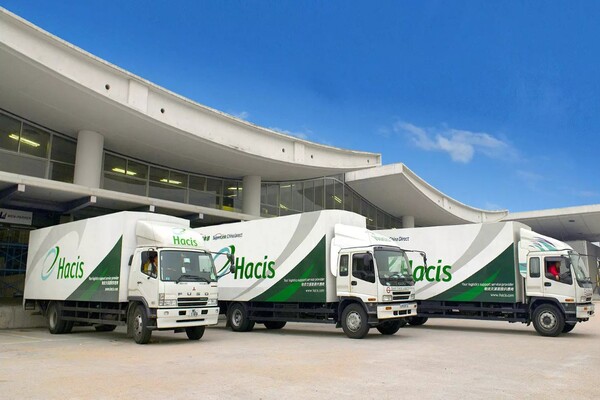
Building on the pilot shipment from Hanoi, Hacis is developing its Vietnam–Hong Kong road feeder service to offer exporters greater routing flexibility and access to Hong...

Container spot freight rates on Asia–Europe routes have rebounded after three consecutive months of decline, ahead of new Freight All Kinds (FAK) rate increases scheduled...
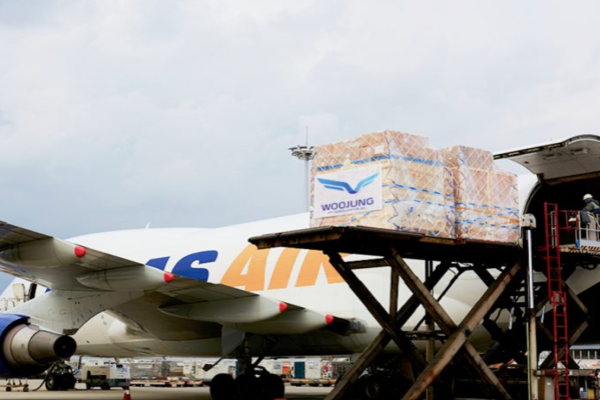
Samsung SDS is expanding its airfreight operations through the acquisition of South Korean cargo consolidator Woojung Air. The deal will strengthen Samsung SDS’s access to...
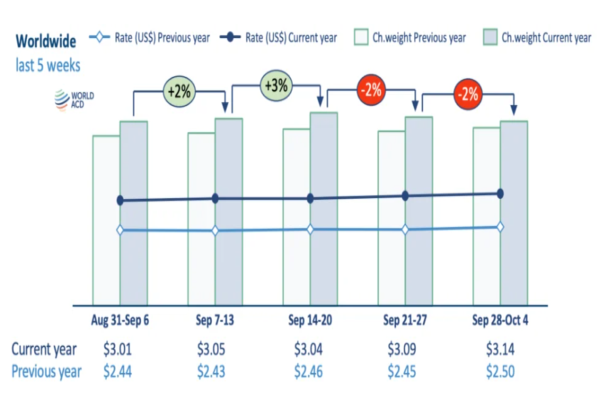
Worldwide air cargo tonnages bounced back strongly in September following their August lull, with volumes rising +3% compared with the previous month and growing +9%, year...

The rapid growth in demand for artificial intelligence (AI-related) goods that has consumed air cargo capacity out of Asia has also helped insulate global trade against tariffs...

Samsung SDS – the IT solutions and logistics arm of Samsung – is expanding its presence in air cargo through the acquisition of Korean airfreight consolidator Woojung Air...

Geopolitical uncertainty and digital transformation are reshaping global logistics, making supply chain resilience a strategic priority. FIATA emphasises the need for diversified...

 ALS
ALS