


Seasonality is back: air freight rates declined sharply
Seasonality is back: air freight rates declined sharply in the first week of January, according to the latest data from TAC Index; and the global Baltic Air Freight Index fell 14.1% in the week to 5 January, leaving it 11.4% lower than a year ago.
The rate correction coincided with a significant reduction in freighter capacity, as airlines adjusted supply rapidly after volumes slumped following the year-end peak.
Global freighter capacity fell by 10% week on week, according to Rotate, with the most pronounced reduction on Latin America-Europe lanes, where capacity was down 33%.
Rates out of Asia declined on major east-west lanes. TAC data showed spot prices from Hong Kong falling sharply to both Europe and the US. The full index of outbound routes from Hong Kong dropped 12.8% week on week, although it remained only 3.9% lower year on year. Outbound Shanghai fell 19.9% week on week and was down 6.1% year on year.
Elsewhere in Asia, rates from Vietnam, India, and Seoul also weakened on lanes to Europe and the US. However, there were some exceptions: rates from Bangkok to Europe increased week on week; while rates from Taiwan rose both week on week and year on year on routes to Europe and the US, supported by strong semiconductor exports.
Today’s Dimerco Asia Pacific Freight Report notes airfreight demand in North-east Asia remains supported by AI, semiconductor and hi-tech cargo, while overall air capacity remains constrained.
“Export volumes from South-east Asia and Taiwan to the US are expected to continue growing,” notes the report.
“However, overall capacity, especially belly capacity on commercial flights, is projected to remain at levels similar to 2025 due to delays in aircraft deliveries. This will further constrain intra-Asia capacity, as transit carriers are prioritising first-leg capacity for long-haul cargo to maximise revenue. As a result, major transit hubs such as HKG, TPE, SIN, ICN, and NRT are expected to remain highly congested.”
It adds: “Most BSAs were set to expire by the end of December. Airlines remain optimistic about the 2026 market, particularly for intra-Asia routes. Key destinations include TPE, SIN, and BKK. The average BSA rate for intra-Asia in 2026 is expected to increase by approximately 10%–20% compared with 2025.”
Dimerco warned of congestion in Bangkok in particular, which “is causing widespread import and export delays of around three to seven days, driven by a sharp rise in ecommerce volumes”.
It warns: “Both TG and BFS terminals are struggling with breakdown and sorting backlogs, slowing clearance and deliveries. While terminals are working to restore normal operations, shippers should plan for longer transit times and adjust supply chain expectations accordingly.”
Out of Europe, rate movements were mixed. After several weeks of gains, transatlantic rates to the US eased, while rates to China and Japan also fell slightly. By contrast, rates increased on lanes from Europe to Australia, Brazil, Mexico, India, and the UAE. Despite these variations, outbound indices from Frankfurt and London Heathrow remained significantly lower year on year, reflecting continued weakness in European export demand.
From the US, rates declined on most lanes, including to Europe and South America, although prices to China and South Korea held firmer.
The index of outbound routes from Chicago fell 14.3% week on week and was down 33.9% year on year.
Rates from Mexico to Europe also edged lower week on week, but remained close to flat compared with a year earlier.
But market conditions are expected to tighten again later in the month as the Chinese New Year holiday approaches, from February 17 to March 3.
Source: https://theloadstar.com/air-freight-rates-slide-as-new-year-brings-return-of-seasonality/

Việt Nam’s semiconductor exports grew at a compounded annual rate of 31.8 per cent between 2006 and 2025, while imports grew by 30 per cent a year during the same period.

Airfreight rates appear strong as the peak season draws near, with year-on-year gains on transpacific lanes robust while Asia-Europe rates start to recover following the end...
Data-centre investment is reshaping trade flows and putting new pressure on the industry's capacity balance, with hi-tech now the main engine of air cargo growth, according...
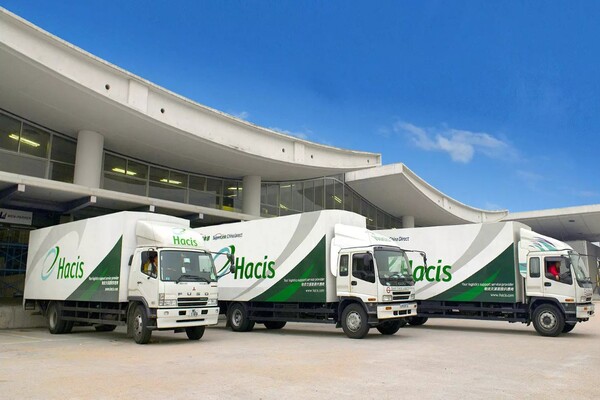
Building on the pilot shipment from Hanoi, Hacis is developing its Vietnam–Hong Kong road feeder service to offer exporters greater routing flexibility and access to Hong...

Container spot freight rates on Asia–Europe routes have rebounded after three consecutive months of decline, ahead of new Freight All Kinds (FAK) rate increases scheduled...
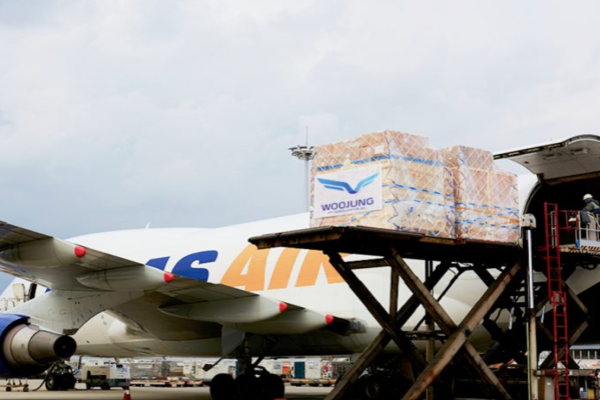
Samsung SDS is expanding its airfreight operations through the acquisition of South Korean cargo consolidator Woojung Air. The deal will strengthen Samsung SDS’s access to...
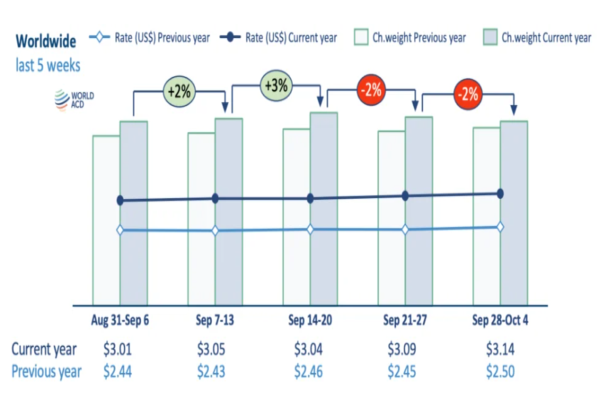
Worldwide air cargo tonnages bounced back strongly in September following their August lull, with volumes rising +3% compared with the previous month and growing +9%, year...

The rapid growth in demand for artificial intelligence (AI-related) goods that has consumed air cargo capacity out of Asia has also helped insulate global trade against tariffs...

Samsung SDS – the IT solutions and logistics arm of Samsung – is expanding its presence in air cargo through the acquisition of Korean airfreight consolidator Woojung Air...

Geopolitical uncertainty and digital transformation are reshaping global logistics, making supply chain resilience a strategic priority. FIATA emphasises the need for diversified...

 ALS
ALS