


As the global airfreight industry steps into 2026, the latest projections from IATA suggest a year defined by growth, sustainability, and recalibration. Airlines are expected to carry 71.6 million tonnes of cargo.
This bullish outlook comes on the back of a record-setting October 2025, when global air cargo demand rose 4.1 percent year-on-year, according to IATA. It marked the eighth consecutive month of growth, driven by strong intra-Asia, Middle East–Europe, and Europe–Asia lanes — even as the Asia–North America corridor remained under pressure due to U.S. tariff impacts.
At the regional level, African airlines posted the highest year-on-year growth at 16.6 percent, followed by Asia-Pacific at 8.3 percent and the Middle East at 5.7 percent. European carriers grew a stable 4.3 percent, while North America and Latin America both declined by 2.7 percent, reflecting ongoing trade route realignments.
“October’s performance shows how air cargo is enabling global supply chains to reconfigure in real time,” said IATA Director General Willie Walsh. “That’s crucial as we enter the Q4 peak season and prepare for a more fragmented demand environment in 2026.”
Indeed, fragmentation is one of the watchwords for the year ahead. Demand remains uneven across geographies, while cost pressures persist. Fuel prices rose 2.5 percent in October despite falling crude, and the global manufacturing PMI hovers just above the growth threshold. Export order sentiment, meanwhile, remains cautious.
Yet airlines are not standing still. IATA’s 2026 goals include $4.5 billion in SAF investment, $1.7 billion in climate financing, and continued improvement in operational metrics — like targeting an 83.8 percent seat occupancy rate and flying 5.2 billion passengers.
Source: Air cargo week

Việt Nam’s semiconductor exports grew at a compounded annual rate of 31.8 per cent between 2006 and 2025, while imports grew by 30 per cent a year during the same period.

Airfreight rates appear strong as the peak season draws near, with year-on-year gains on transpacific lanes robust while Asia-Europe rates start to recover following the end...
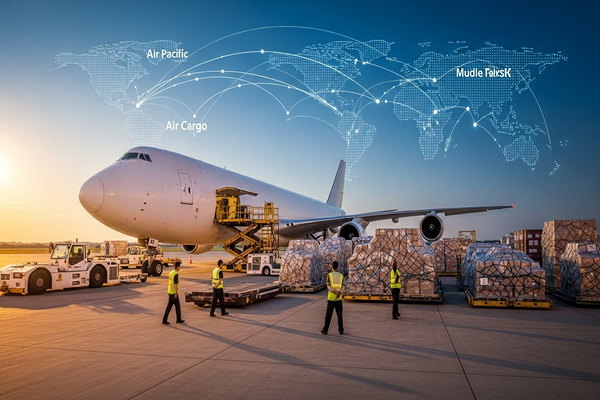
Data-centre investment is reshaping trade flows and putting new pressure on the industry's capacity balance, with hi-tech now the main engine of air cargo growth, according...
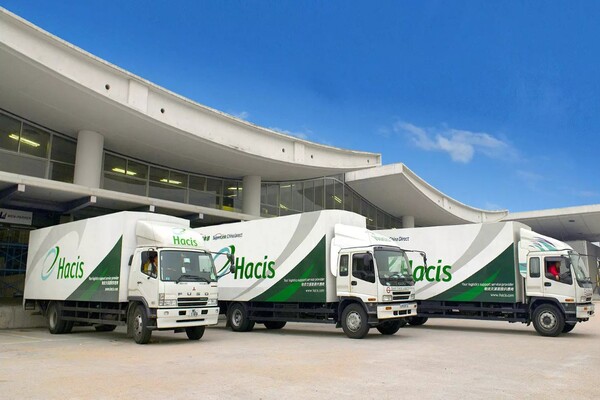
Building on the pilot shipment from Hanoi, Hacis is developing its Vietnam–Hong Kong road feeder service to offer exporters greater routing flexibility and access to Hong...
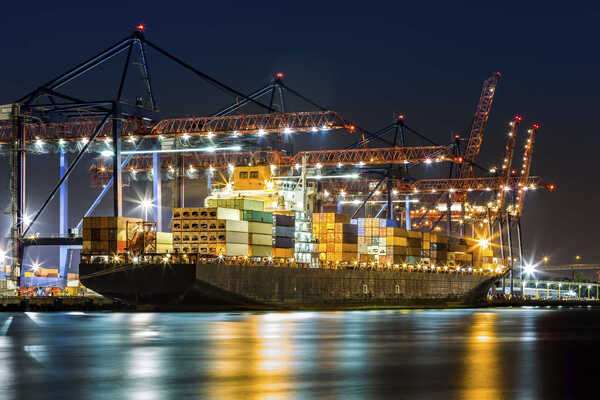
Container spot freight rates on Asia–Europe routes have rebounded after three consecutive months of decline, ahead of new Freight All Kinds (FAK) rate increases scheduled...
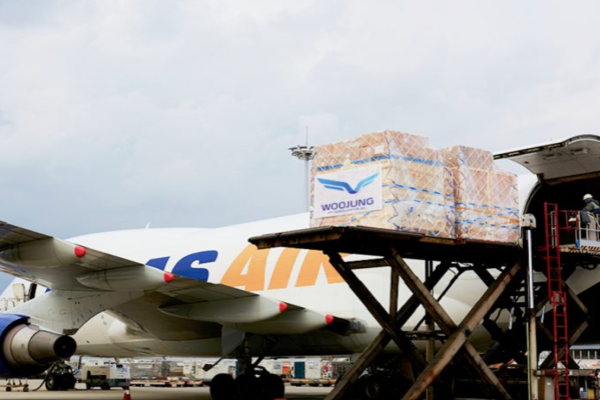
Samsung SDS is expanding its airfreight operations through the acquisition of South Korean cargo consolidator Woojung Air. The deal will strengthen Samsung SDS’s access to...
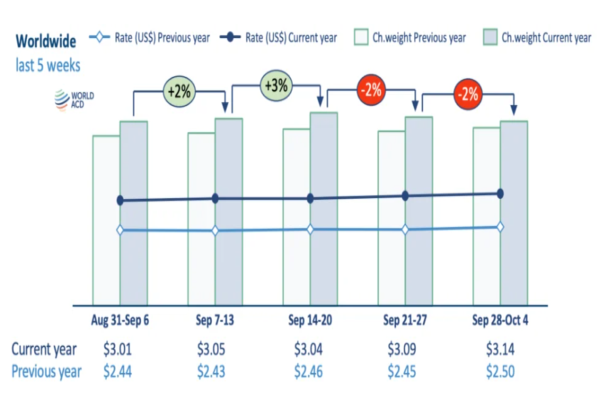
Worldwide air cargo tonnages bounced back strongly in September following their August lull, with volumes rising +3% compared with the previous month and growing +9%, year...

The rapid growth in demand for artificial intelligence (AI-related) goods that has consumed air cargo capacity out of Asia has also helped insulate global trade against tariffs...

Samsung SDS – the IT solutions and logistics arm of Samsung – is expanding its presence in air cargo through the acquisition of Korean airfreight consolidator Woojung Air...
Geopolitical uncertainty and digital transformation are reshaping global logistics, making supply chain resilience a strategic priority. FIATA emphasises the need for diversified...

 ALS
ALS