


FedEx has released its first-ever Future of Logistics Intelligence Report, amid growing supply chain pressures. The findings reveal that while most organizations have achieved end-to-end shipment visibility, far fewer can turn that data into the insights and actions needed to stay competitive in today’s environment.
“Many organizations can see what’s happening in their supply chains, but leaders in the space can predict and act fast enough when it matters most,” said Jason Brenner, senior vice president, digital portfolio at FedEx. “Closing the gap with logistics intelligence, supported by analytics, AI and close partnerships with your carrier, will help organizations move from reacting to disruptions to anticipating them, minimizing impact and delivering a leading customer experience.”
The report delves into the following notable findings and more:
“Being ready for what’s next, building long-term resiliency and competitive differentiation, requires investing in systems that go beyond meeting today’s needs,” said Brenner. “Connected data, analytics, and AI are essential to making that shift. At FedEx, we’re making supply chains smarter through our suite of data-powered digital solutions that support our customers’ growth and help them become more future-ready.”
Source: https://aircargoweek.com/inside-fedexs-future-of-logistics-intelligence-report/

AI is transforming supply chains with faster insights, smarter automation, and greater resilience

In 2026, modern logistics technology becomes a fundamental requirement for achieving agility and mitigating operational risk

The explosion in e-commerce volumes is changing the air cargo market.

Transatlantic trade is becoming a game of ‘wait and watch’ for Italian exporters as, President Donald Trump introduced a new ‘global’ tariff, setting it at 15% for up to 150...
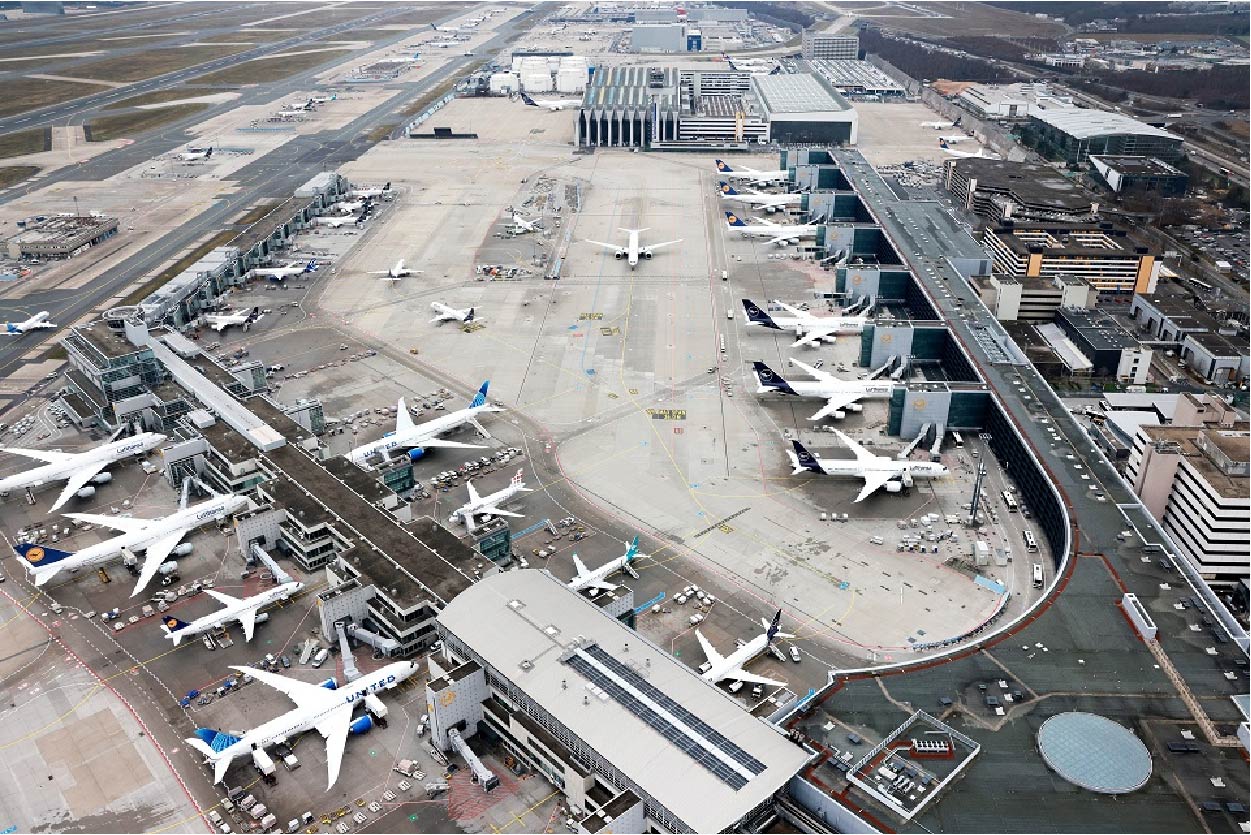
European airports saw cargo volumes increase last year, with Frankfurt reclaiming the top spot from Istanbul Airport.
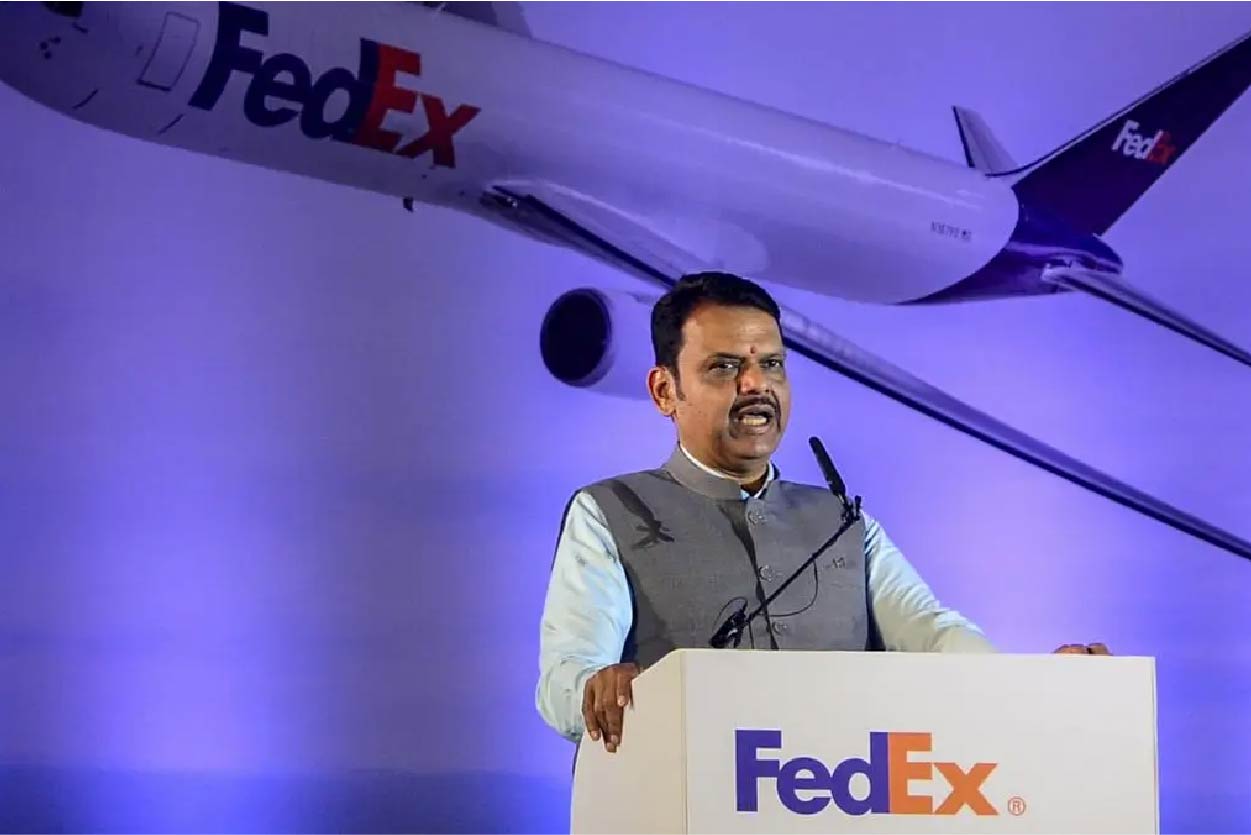
FedEx is investing ₹2,500 crore to build a 300,000-square-feet fully automated air cargo hub at Navi Mumbai International Airport in partnership with Adani Airport Holdings...

As trade uncertainty continues to strain sourcing, companies will lean on cost-management strategies and AI-fueled efficiencies.
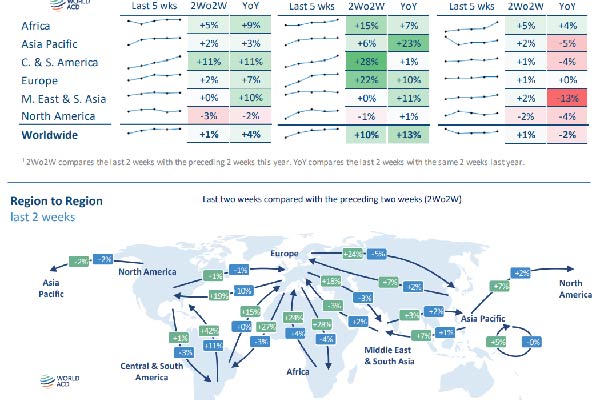
Worldwide air cargo demand rose by a further +3% in the final week of January, despite another volatile week of capacity disruptions, with tonnages boosted by flower shipments...

The demand for air travel continues to grow. In 2026, airlines are expected to welcome some 5.2 billion passengers, up 4.4% on 2025.

 ALS
ALS