


The explosion in e-commerce volumes is changing the air cargo market. While many long-established airports have robust cargo facilities that leverage technologies, including powered roller beds to safeguard both cargo and workers, the same cannot always be said of the smaller airports gearing up for additional air cargo, or the fast expanding second line locations being set up specifically to support cargo growth.
The challenge is not only the rise in air cargo volumes, but the highly time-sensitive nature of operations. Companies are under pressure to meet tight deadlines and customer expectations, while there are also clearly defined regulatory processes for handling air cargo. An ever-growing volume has led to congestion at major hubs, creating possibilities for smaller airports to expand into air cargo, or shift from handling cargo in warehouses further away from airports.
Bart Sloot, Sales Manager, Air Cargo Equipment, at Joloda Hydraroll, explains the importance of efficient and safe air cargo handling systems at these airports to improve productivity and build a scalable business operation.
The explosion in e-commerce business from the Far East continues to increase air cargo, with the Airports Council International’s latest dataset revealing air cargo volumes climbed 9.9% year on year to a record 127m tonnes in 2024. This boom is changing the dynamics of the air cargo industry, especially across Europe. In addition to significant new facilities, which include extensive air cargo facilities, existing airports are also ramping up to support this new business.
The International Air Transport Association (IATA) has clearly defined global standards for air cargo operations, including handling procedures and safety protocols. Yet while there is widespread understanding throughout global aviation about the safe way to process ULDs (Unit Load Devices), such as to meet and manage the demands created by e-commerce, and significant investment from air cargo handlers to increase front line facilities, these often fall short – and demand exceeds capacity.
The result is inevitably slower and reduced throughput, as well as heightened risk of pallet/cargo damage. Efficient ground handling is vital to improve productivity and create the scalability required to maximize profitable growth.
Effective ground handling is also key to ensuring the safety of both operators and goods. Manual handling of air cargo specifically breaches IATA guidelines, which specify that ULDs should never be moved directly by a forklift truck, for example. They should also never touch the concrete floor to reduce the risk of damage. With the pressures created by increasing volumes, tight turnaround times and the need to ensure a safe working environment, it is vital to use the right material handling equipment and systems. Safe, compliant handling of ULDs requires both powered and unpowered roller beds and a height-adjustable truck dock that uses motorized rollers to accelerate and streamline operations. Installed at the critical interface between the land side and air side, powered roller beds automate the movement of ULDs, improving both the speed and consistency of air cargo transfers. Modular roller beds with powered drive motors can also be retrofitted to existing trailers to propel air cargo continuously and safely between warehouses and trailers.
To manage the movement of air cargo around the warehouse, handlers can use mobile workstations (also known as slave pallets) to allow safe movement. These mobile workstations, which can be moved or removed easily when not in use, allow ULDs to be transported with little effort across the warehouse floor. This minimises the physical strain on workers and speeds up the manual positioning of air cargo units.
Adapting to the demands of rapidly escalating e-commerce volumes requires a different approach for air cargo handlers. It requires a risk assessment to ensure processes are undertaken in line with both IATA requirements and, potentially, airline audits. In addition to adopting systems such as roller beds, working with an experienced partner can ensure environments are optimized for efficiency and safety.
This process reduces handling steps and improves process flow, whilst also supporting compliance with health and safety protocols. The consultative approach can also assess the potential for additional innovation, allowing companies to make the best use of busy or constrained warehouse layouts.
It is, of course, operationally possible to handle air cargo at any location. Is it, however, the most efficient approach? Or cost-effective? Or scalable? Any processes that place a limit on the volumes that can be handled will inevitably constrain expansion, potentially add workforce risk, and challenge regulatory compliance. Ensuring the correct handling equipment and systems are in place is mission-critical, underpinning not only safety and efficiency but also compliance with IATA standards.
Adding powered roller beds and mobile workstations to the air cargo handling process can not only transform productivity and throughput, it can also protect staff, equipment and ULDs while providing the foundation for rapid expansion to support new business opportunities.
Source: https://www.ajot.com/news/adding-scale-and-safety-to-e-commerce-air-cargo-handling
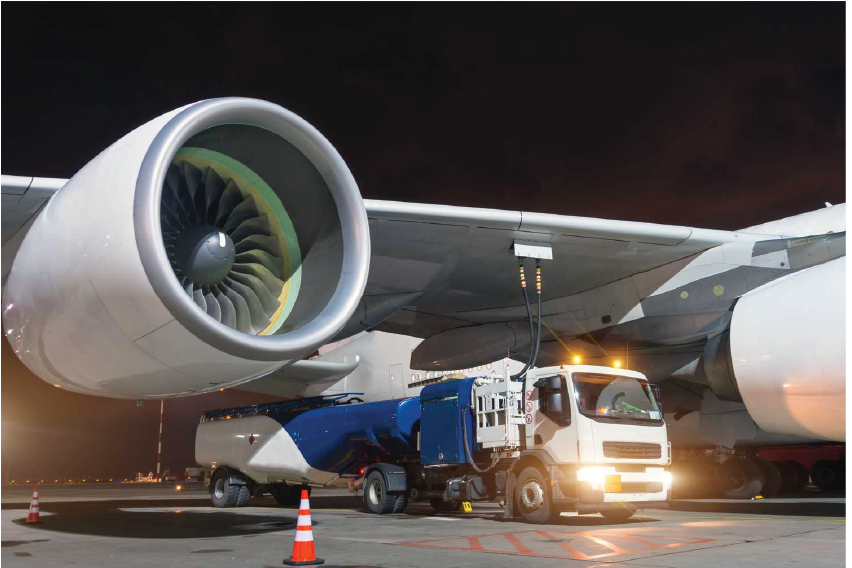
The jet fuel crisis is no longer a short-term disruption. Even if geopolitical conditions stabilise, the structural impacts on fuel supply chains, refining capacity and global...
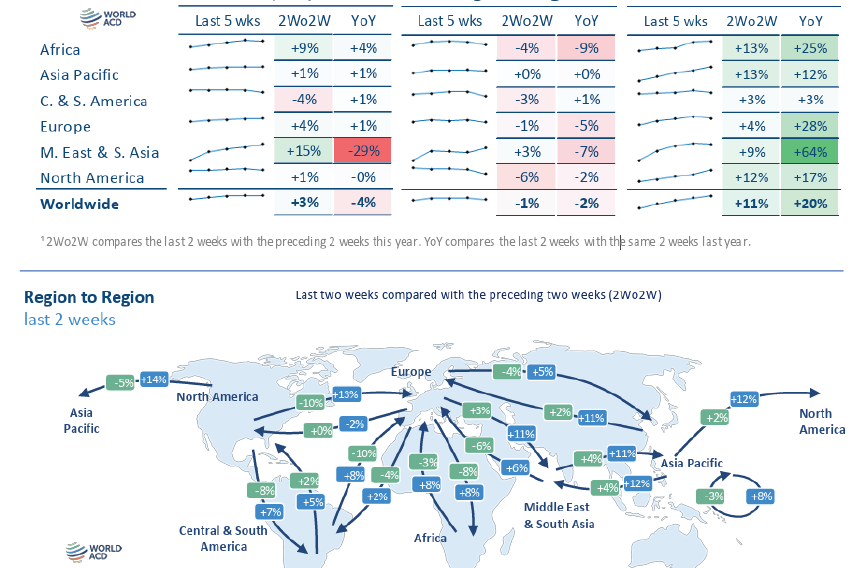
Air cargo exports from APAC declined -3% WoW to Europe and -1% to USA.
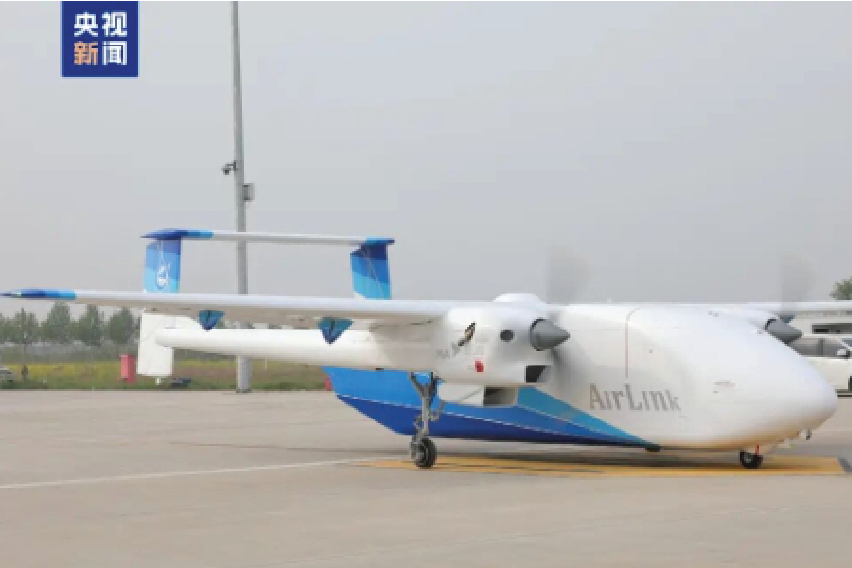
China achieved a new milestone in making large-scale unmanned transport equipment as the domestically-developed HH-200 successfully completed its maiden flight on Wednesday.
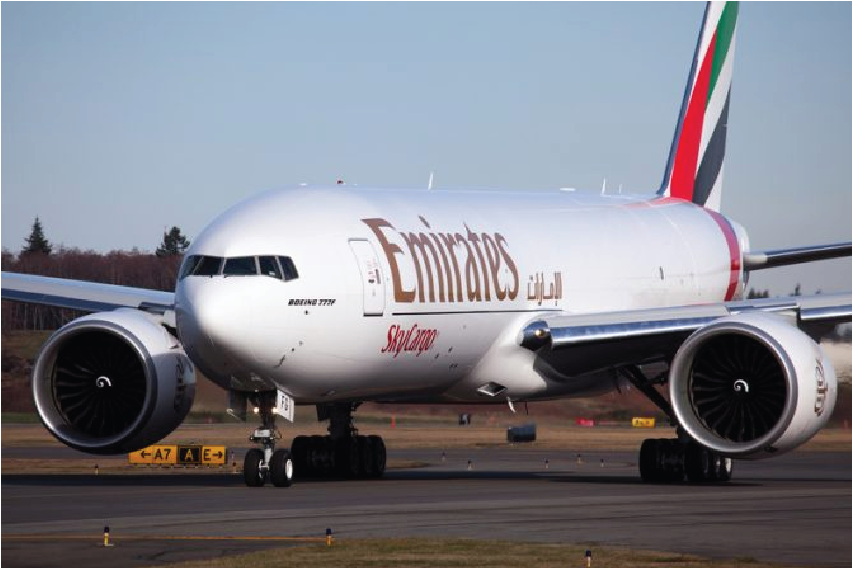
Air freight rate levels from India to the Middle East have begun to moderate as airline schedules regain some normality, according to industry sources.
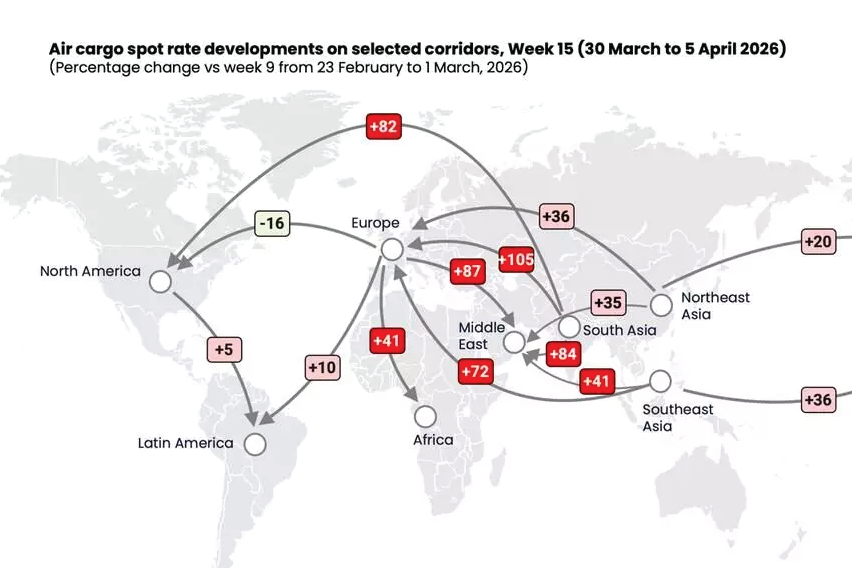
The US-Iran ceasefire offers near-term relief for air freight, but full recovery on Middle East routes remains one to two months away

The International Monetary Fund has released a sobering assessment of the global economic and financial stability outlook as conflict in the Middle East spikes energy prices...
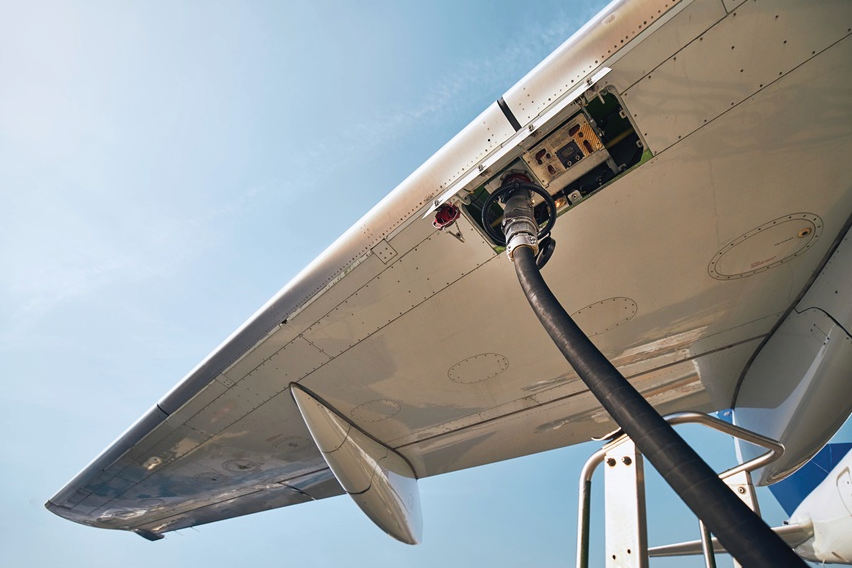
European Union airports could start running out of jet fuel in the coming weeks unless the Strait of Hormuz opens soon.
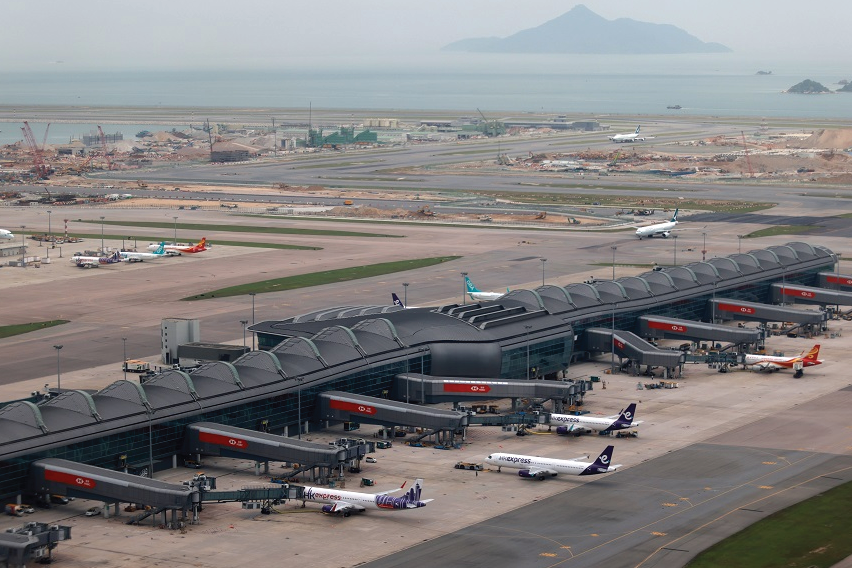
Hong Kong International (HKG) has been named the busiest cargo airport in the world once again by Airports Council International (ACI).
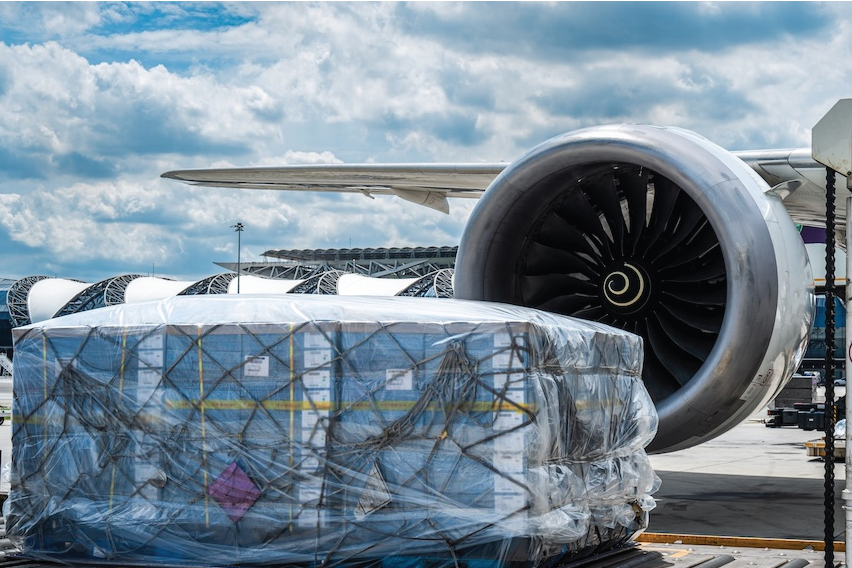
For an industry historically optimised for speed and direct connectivity, the recalibration under way reflects a growing emphasis on resilience, redundancy and network flexibility.

The system will go live at 8 a.m. EDT to begin the electronic returns process for an estimated $127 billion in tariffs, the agency said Tuesday.

 ALS
ALS