


AI is beginning to reshape supply chains from end to end, offering new levels of visibility, resilience, and decision-making speed. Traditional machine learning (ML) already plays a pivotal role in forecasting demand and detecting anomalies, but generative AI and agentic AI are expanding what’s possible.
AI agents can reason across messy information, surface hidden risks, and automate previously manual tasks at a scale the industry has never seen.
Yet adoption across procurement, logistics, and supplier management is uneven. Research from Ivalua shows that only 32% of UK businesses have deployed AI tools in the past year, with 55% acknowledging they are at a competitive disadvantage due to slow AI uptake. The divide between early adopters and those waiting on the sidelines is widening fast.
For years, predictive analytics and ML have helped companies forecast demand, optimize inventory, and improve routing. But supply chain volatility has intensified, and leaders increasingly need tools that respond faster and interpret information that isn’t neatly structured. That’s where generative AI is proving transformative.
“Generative AI can handle unstructured data within supply chains in ways traditional AI cannot,” explains Sam Nasrolahi, Principal at InMotion Ventures. “It brings together unstructured data from multiple sources, and it’s user-friendly and easy to interact with.” He says AI agent platforms capable of crawling internal systems are already identifying cost-saving opportunities and even updating invoices or preparing negotiation materials.
Traditional AI remains a backbone for forecasting and optimization, but emerging tools reinterpret ambiguous scenarios – tariff changes, unexpected delays, shifting regulations – where structured models struggle. Nishith Rastogi, CEO of Locus, emphasized that generative AI, “supports decision-making under uncertainty, where information is incomplete or ambiguous.” He tells ITPro that the best results come when recommendations are paired with guardrails, audit logs, and human oversight.
Other experts agree that the technology’s value comes from its ability to absorb wide-ranging information. “Generative AI is a game changer unifying unstructured data into real-time, actionable intelligence,” says Steffen Schulze Selting, senior director of customer success at Sphera. He cites survey findings showing that executives now view AI-generated supplier risk summaries as essential for faster operational and strategic decision-making.
Even academia echoes this shift. Dr. Nial Tahirov of Durham University Business School notes that AI-enabled tools, “reduce manual effort by simulating scenarios, detecting disruptions, improving value chain transparency, and recommending actions in real time”. This has particular value when visibility beyond first-tier suppliers is limited.
But these benefits will only take root in organizations ready to trust and operationalize them. As Emma Davenport, principal at Slalom, tells ITPro: “Predictive AI already delivers measurable benefits. Generative AI can amplify those gains, but teams need solid governance, scenario validation, and a culture ready to trust and act on AI insights.”
Even with powerful analytics in place, many supply chain dashboards overwhelm the very people who rely upon them. Planners often juggle multiple systems and contradictory data sources, slowing response times during disruptions. Natural language interfaces (NLIs) are emerging as a remedy.
NLIs allow professionals to ask systems conversational questions such as “Where are we most exposed next quarter?” or “What’s driving the spike in transportation costs?” and receive clear, actionable responses. This shift makes analytics dramatically more accessible.
Nasrolahi says natural language tools “simplify the overall user experience, increasing the number of employees who can interact with systems and helping spread insights more effectively”. Instead of deciphering dashboards, workers can ask targeted questions and receive detailed answers.
Rastogi similarly emphasizes that NLIs lower the barrier for non-technical staff: “A manager can simply ask which routes are most at risk. This lowers the barrier for frontline planners and managers who are not data specialists.”
Selting adds that conversational interfaces could enable teams to “access rapid AI-generated supplier risk summaries and receive proactive risk recommendations,” empowering faster mitigation without deep technical expertise.
But adoption challenges remain. Davenport tells ITPro that “legacy systems and uneven user literacy remain major barriers,” especially in roles naturally skeptical of automation. Experts agree that once AI-powered querying proves reliable, it will reshape how professionals interact with supply chain systems. Instead of scrolling through dashboards, users will converse with their data – and do so confidently.
As AI becomes more embedded into operations, supply chain roles will shift from manual decision-making to oversight, exception handling, and scenario analysis. Automation will increasingly handle routine tasks, while professionals guide strategic responses.
Rastogi says we’ll see a move, “from manual decision-making to oversight of autonomous agents,” stressing that data literacy and scenario analysis skills will grow in importance. Selting explains that while AI handles data interpretation and recommendations, humans will, “make the decisions and monitor the implementation of measures,” requiring new capabilities in model interrogation and risk alignment.
With talent shortages across the industry, companies may be looking to supplement roles with more automation. Tahirov suggests that generative AI will take over many technical tasks – data preparation, modeling, analysis – while professionals focus on integrating AI tools and setting performance metrics.
“The next generation of supply chain professionals will need to blend analytical, commercial, and technical skills, ensuring insights are not just generated but trusted, tested, and acted upon,” Davenport adds.
Across predictive analytics, machine learning, and now generative models, AI is unlocking new potential across supply chains. It enhances visibility, speeds decision-making, reduces manual workload, and helps companies anticipate disruptions before they escalate.
Across predictive analytics, machine learning, and now generative models, AI is unlocking new potential across supply chains. It enhances visibility, speeds decision-making, reduces manual workload, and helps companies anticipate disruptions before they escalate.
The takeaway is clear: the longer companies wait, the wider the AI gap becomes. But the path forward doesn’t require sweeping transformation from day one. Pilot projects, targeted use cases, and improved data foundations can unlock rapid ROI—while building the confidence needed to scale.
As supply chains face growing volatility, AI isn’t just a tool for efficiency—it’s becoming a foundational capability for resilience. Businesses that invest now will be far better positioned to navigate whatever disruption comes next.
Source: https://www.itpro.com/technology/artificial-intelligence/how-can-ai-benefit-supply-chain?
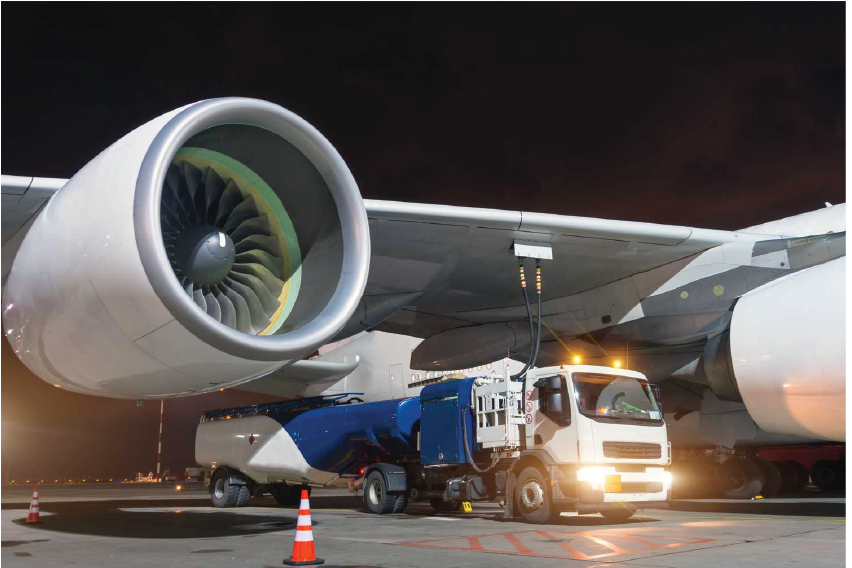
The jet fuel crisis is no longer a short-term disruption. Even if geopolitical conditions stabilise, the structural impacts on fuel supply chains, refining capacity and global...
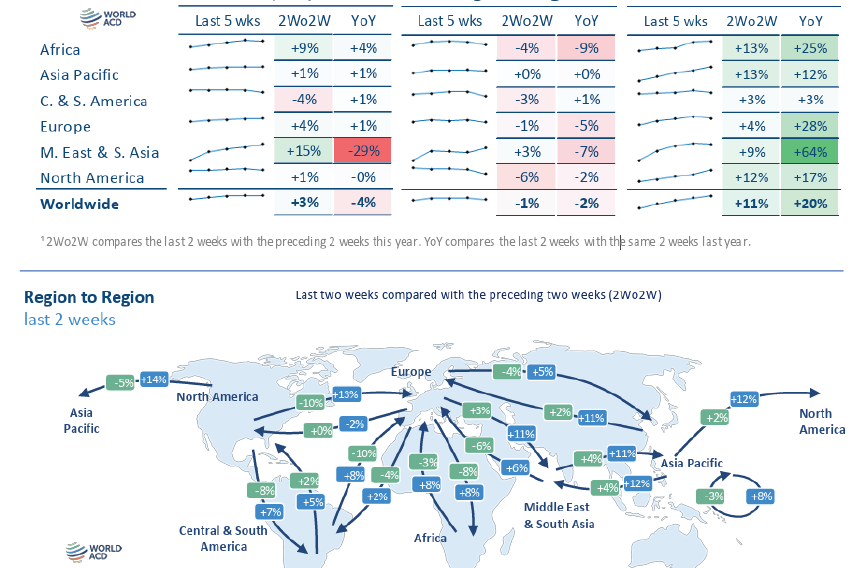
Air cargo exports from APAC declined -3% WoW to Europe and -1% to USA.
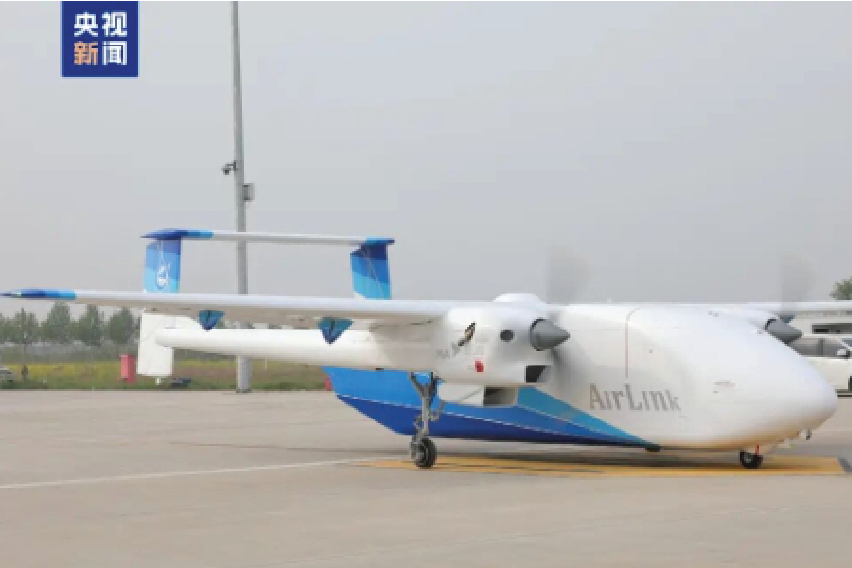
China achieved a new milestone in making large-scale unmanned transport equipment as the domestically-developed HH-200 successfully completed its maiden flight on Wednesday.

Air freight rate levels from India to the Middle East have begun to moderate as airline schedules regain some normality, according to industry sources.
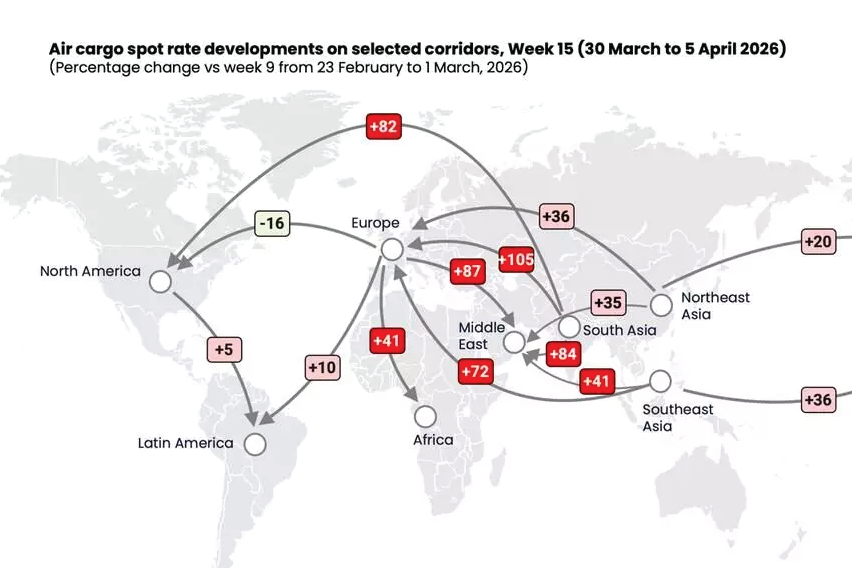
The US-Iran ceasefire offers near-term relief for air freight, but full recovery on Middle East routes remains one to two months away

The International Monetary Fund has released a sobering assessment of the global economic and financial stability outlook as conflict in the Middle East spikes energy prices...

European Union airports could start running out of jet fuel in the coming weeks unless the Strait of Hormuz opens soon.
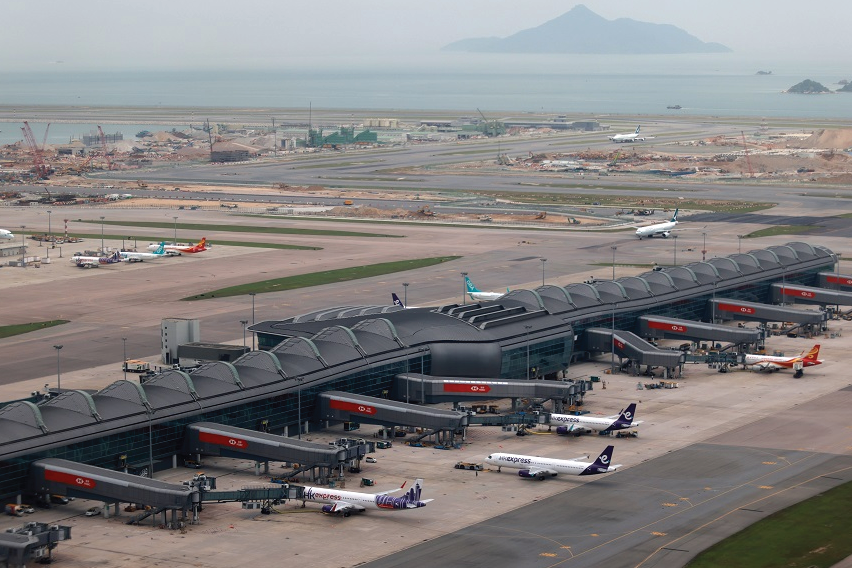
Hong Kong International (HKG) has been named the busiest cargo airport in the world once again by Airports Council International (ACI).

For an industry historically optimised for speed and direct connectivity, the recalibration under way reflects a growing emphasis on resilience, redundancy and network flexibility.

The system will go live at 8 a.m. EDT to begin the electronic returns process for an estimated $127 billion in tariffs, the agency said Tuesday.

 ALS
ALS