


The demand for air travel continues to grow. In 2026, airlines are expected to welcome some 5.2 billion passengers, up 4.4% on 2025.
Some airports get ahead of the curve but, broadly, airport capacity is struggling to keep pace, especially at key hubs in Europe and North America.
There are some positive developments. The UK Government has committed to expanding London Heathrow, even if there are concerns about what IATA Director General, Willie Walsh, describes as “gold-plated construction costs.” A new airport is being built in Warsaw, Poland and there are similar construction projects in the Middle East, Vietnam, and Sydney, Australia—to name but a few. Overall, some estimates value the airport development market at upwards of $750 billion.
Both runways and terminals are needed. Although connectivity at many airports could be improved by a few extra kilometers of tarmac, this inevitably cascades into terminal capacity. The airways must be in lockstep too and new initiatives, such as air traffic flow management, will be vital.
IATA calls for the development of safe, sustainable facilities that are demand-led, fit-for-purpose and cost effective. And it continues engage with airlines, airports, regulators, design and engineering consultants, and other stakeholders to ensure that infrastructure supports the needs of airlines and passengers.
“There are construction projects in the pipeline, which will make a difference,” says Harry Grewal, Director, Airport Infrastructure and Customer Experience. “But if the industry is to meet the strong demand for air travel, we must make the most of every facility we have.”
Domestic and international
To this end, IATA has released the Domestic and International Passenger Integration Program (DIPIP) report, a joint effort with AtkinsRéalis, an engineering services and project management company.
This shows that substantial cost savings, operational efficiencies, and sustainability gains can be made by using biometric digital identification (ID) technology to manage the segregation of international and domestic departing passengers at airports where they are currently separated by physical barriers.
In essence, regulations usually require domestic and international departure passenger flows to be physically separated. But digital ID advancements now make it possible to achieve the needed segregation without duplicating costly facilities.
“DIPIP is a call to action,” says Grewal. “It is a natural progression of digital ID and, potentially, will have a huge impact on infrastructure utilization. We always need to revalidate our reasoning and make better use of assets and infrastructure.”
DIPIP will not only reduce costs for airports and airlines while maintaining security and border control requirements but greatly improve the passenger experience. The report suggests that up to a 11% reduction in airport staff costs is possible and notes a ground handing company estimated $5.3 million annual savings at one leading airport.
A medium-sized airport serving 10 million passengers annually could save up to $80 million of future capital expenditure and considerable annual operational savings through the removal of duplicate facilities and improved operational flexibility, while reducing its annual carbon footprint by 18,000 tonnes—the equivalent of removing 4,000 cars from the road for a year.
Moreover, removing physical barriers between domestic and international departure flows will improve passenger satisfaction through simplified journeys and shorter processing times. Minimum connection times, for example, could be reduced nearly 20% through the efficiencies gained.
Most importantly, enabling departing passenger flows to use the same physical space allows airports to serve more passengers within existing terminal footprints, optimizing capacity. International and domestic departures often concentrate at different times of the day, allowing an airport to better manage fluctuating passenger volumes and deploy resources where needed.
Maximizing footprint utilization
Airport capacity is limited but there are numerous initiatives to maximize use of the existing footprint and runways, including slots, air traffic control improvements, and digital ID.
“Digital ID is the foundation,” says Grewal. “It allows a passenger to verify their identity once and reuse that verification throughout the journey. But the need to adapt and better utilize airports is not just a consequence of technology improvements. It is also one of air travel demand. People want to fly and want it to be a seamless, comfortable, and enjoyable experience. That is the business we’re in.”
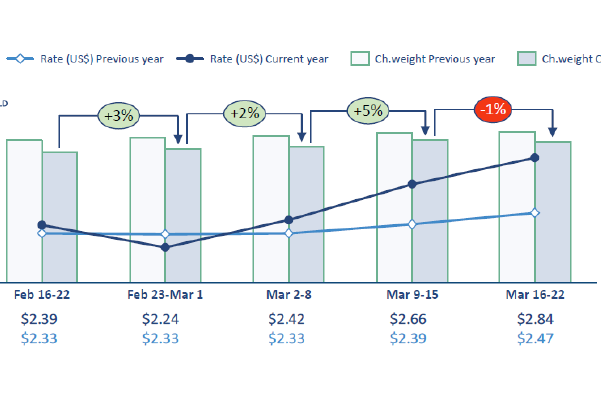
Global air cargo rates have continued to rise strongly as stakeholders adjust to the dynamic and highly challenging conditions following the military attacks on Iran by the...
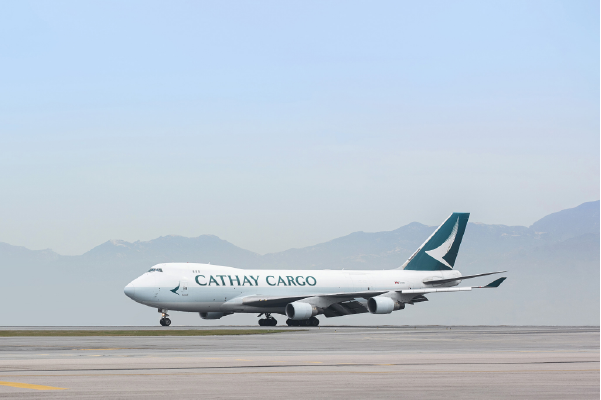
Driven by the direct impact of Jet A-1 fuel prices hitting a record high of nearly $200/barrel (a sharp spike from $95 at the beginning of the year), over 60% of international...
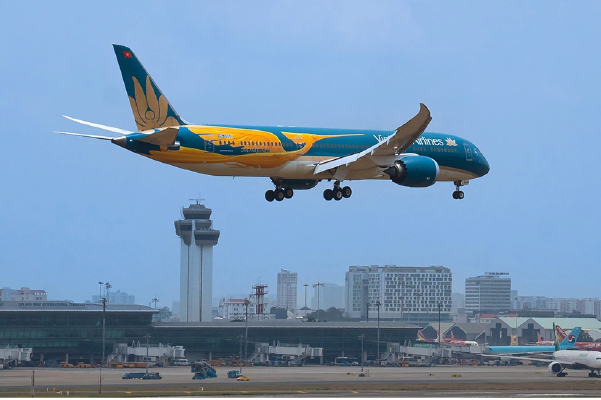
Vietnamese airlines are reviewing flight operations and preparing fuel surcharge plans in response to soaring aviation fuel prices linked to supply disruptions in the Middle...
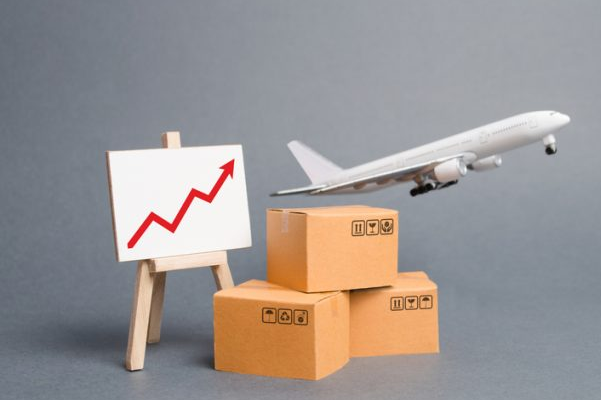
Air charter rates have surged to “Covid-era” levels as the Iran conflict triggers a sharp capacity squeeze and volatile fuel costs, with brokers warning the market is being...

Many US logistics firms have their hands full with traffic triggered by the AI boom, with repercussions going well beyond data centre construction and outfitting to the energy...
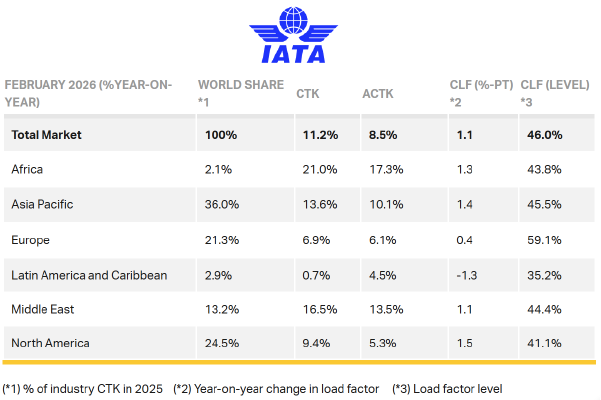
Total demand, measured in cargo tonne-kilometers (CTK), rose by 11.2% compared to February 2025 levels (+11.6% for international operations).

Beyond the immediate impact, the conflict in Iran highlights the need for resilient supply chains capable of quickly adapting to an increasingly uncertain global environment.
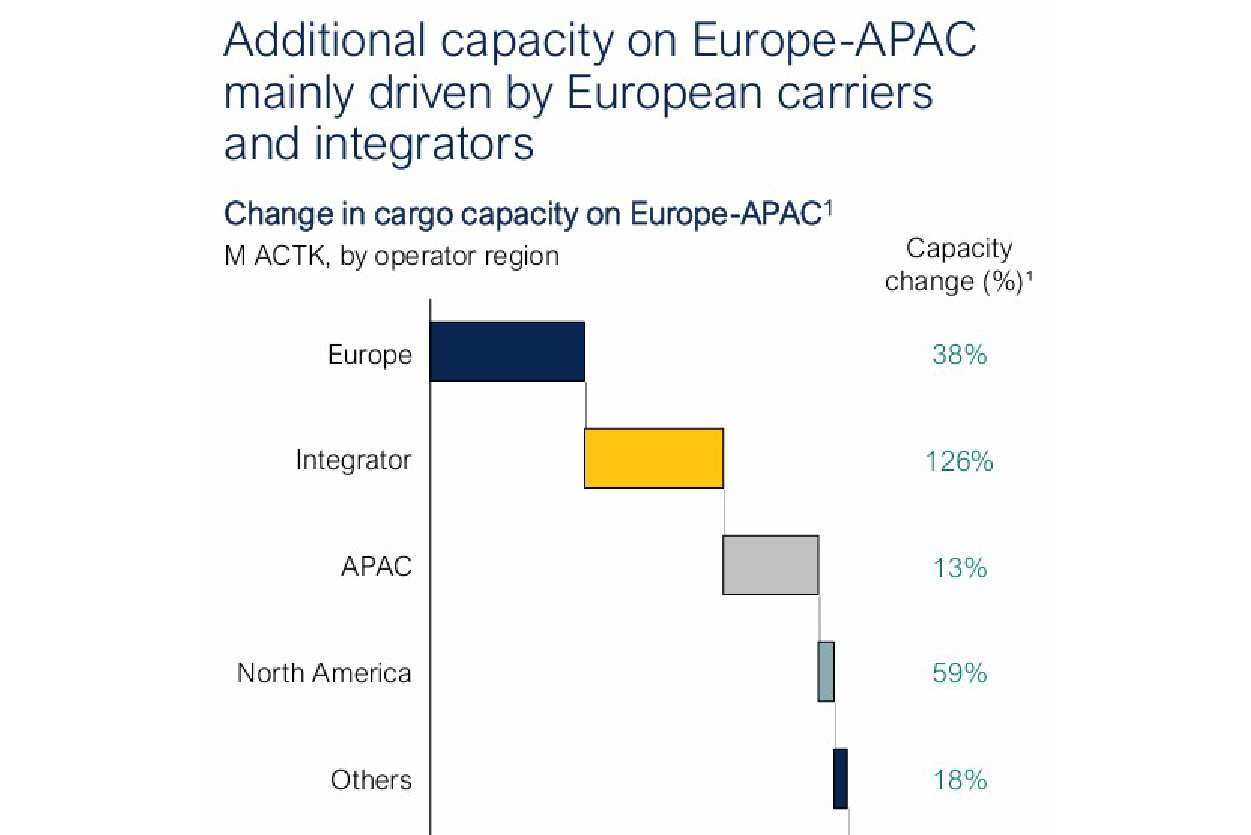
European Airlines and integrators have been the most active in adding capacity to the Asia-Europe trade lane to make up for the shortfall created by the loss of operations...
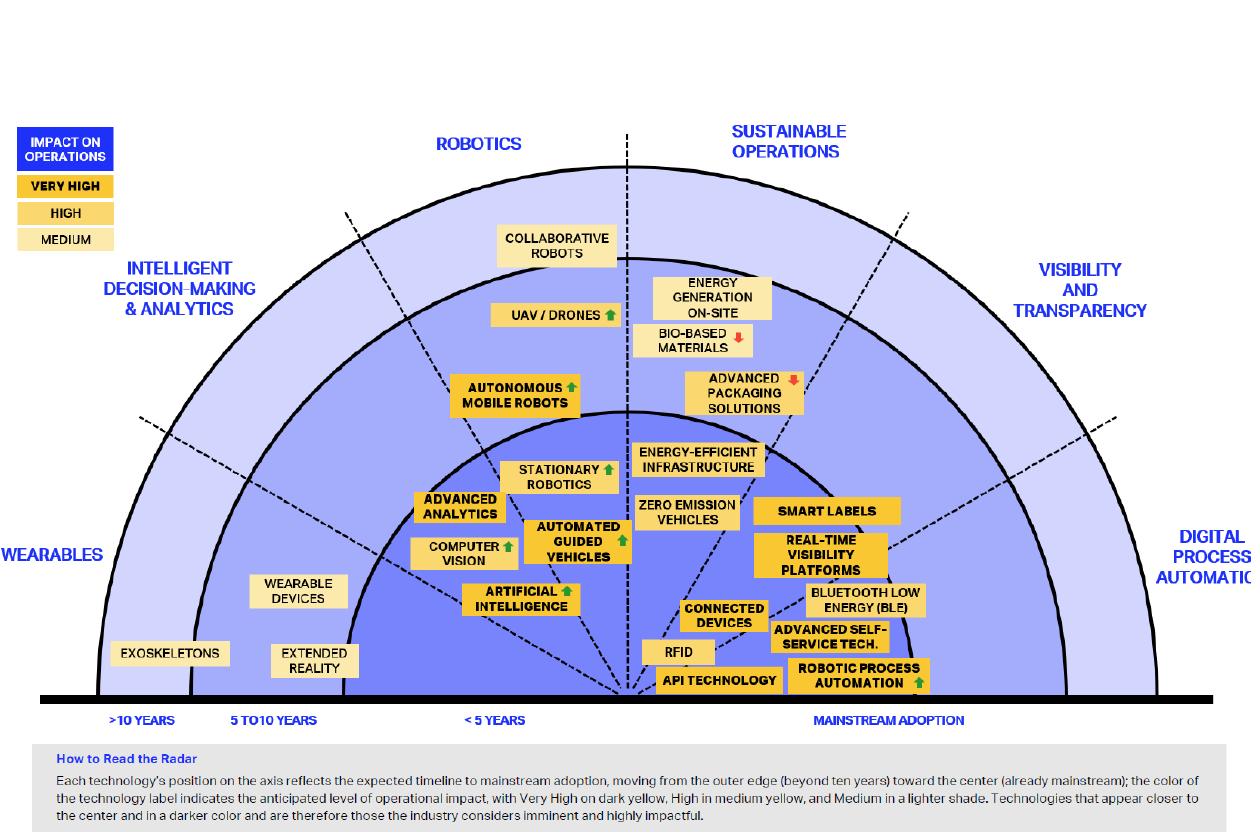
The global air cargo sector is undergoing a steady shift towards automation and data-driven operations, the International Air Transport Association (IATA) said in its 2026...
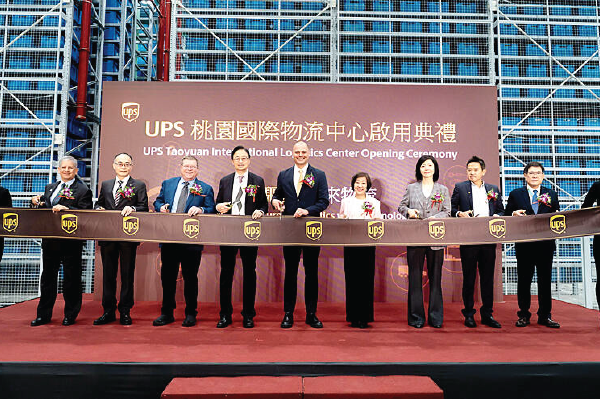
United Parcel Service Inc (UPS) opened a new US$100 million logistics center in Taiwan yesterday, its largest in the Asia Pacific, riding a wave of demand from tech companies.

 ALS
ALS