


Transatlantic trade is becoming a game of ‘wait and watch’ for Italian exporters as, President Donald Trump introduced a new ‘global’ tariff, setting it at 15% for up to 150 days (as of 24th Feb, 9 AM CET).
Sogese, a European container provider with direct visibility into equipment utilization and container demand flows for over four decades, highlighted that the immediate impact is not a collapse in volumes, but a clear hesitation in shipment commitments across Europe–U.S. trade lanes.
According to Sogese, exporters are not cancelling cargo, they are pausing decisions, shortening planning cycles, and adjusting shipment timing as they await clarity, introducing volatility into container demand patterns rather than structural contraction.
“We are observing hesitation in the market. When trade policy changes this quickly, exporters prefer to look and wait at the window rather than accelerate commitments. Across Europe, and particularly in Italy, this is translating into irregular booking patterns and more tactical shipment planning, rather than an immediate decline in volumes. Stability and predictability remain essential for exporters to plan with confidence.” Shared Andrea Monti, CEO, Sogese
Historically, U.S. tariffs on most EU goods operated under WTO “Most Favoured Nation” (MFN) rates. The average applied U.S. tariff on EU goods was ~1–3%, and the trade environment was relatively stable and rules-based. Between 2018-2020, there were selective, sector-specific tariffs, which were suspended and reinstated sporadically, creating uncertainties for exporters. In 2025, tariffs expanded under the International Emergency Economic Powers Act (IEEPA). Many EU (including Italian) goods are subject to elevated tariff rates, commonly around 15% in structured agreements or imposed programs.
The U.S. remained Italy’s largest bilateral trade surplus market in 2025. Italy (and the EU) now face a flat 15 % U.S. tariff, which for many products is higher than the rates they were paying before the Supreme Court ruling.
“Italian firms are watching both U.S. legal processes and EU diplomatic action. The related uncertainties on refunds, tariff regimes, and the EU-U.S. deal will influence booking behaviour, sourcing strategies, and forward planning in the longer term. Beyond 2026, if Congress extends the Section 122 tariff, or if new targeted tariffs are added under other authorities (e.g., Section 301), Italy could face layered tariff exposures.” Shared Monti.
“Orders are not collapsing, but exporter confidence and planning rhythms are definitely affected.” Concluded Monti.
Market Signals from Italy’s Container Segment
According to Sogese’s latest market observations:
Export-facing container demand remains soft.
Weak booking momentum, combined with depot congestion and limited yard space availability, is placing downward pressure on asset pricing. As a result, lease rates for export-oriented containers are currently trading at the lower end of the pricing band.
In contrast, domestic container demand within Italy remains comparatively resilient. While activity levels are stable to strong, increasing competition is limiting upward pricing movement. Lease rates in the domestic segment remain steady but show limited margin expansion.
Source: https://www.ajot.com/news/europes-exporters-pause-at-the-window-as-tariff-instability-deepens

AI is transforming supply chains with faster insights, smarter automation, and greater resilience

In 2026, modern logistics technology becomes a fundamental requirement for achieving agility and mitigating operational risk

The explosion in e-commerce volumes is changing the air cargo market.
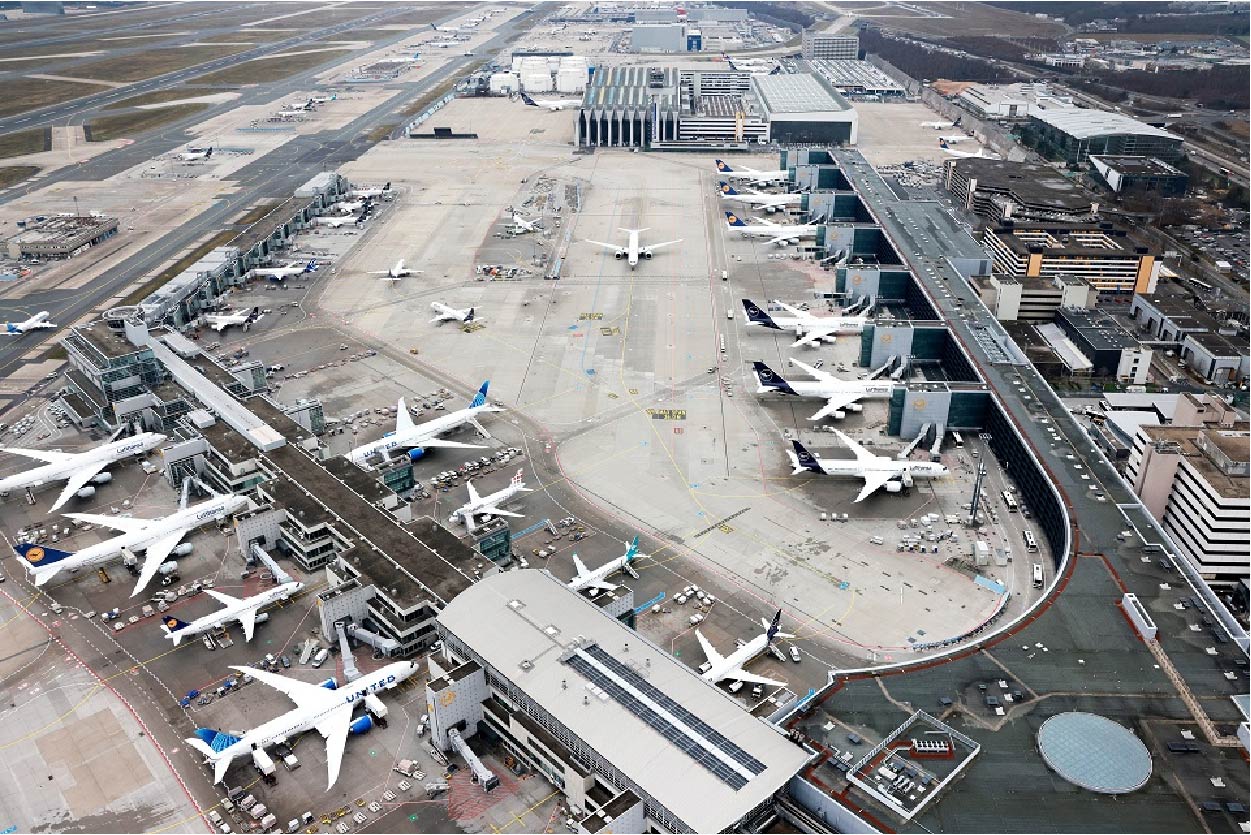
European airports saw cargo volumes increase last year, with Frankfurt reclaiming the top spot from Istanbul Airport.
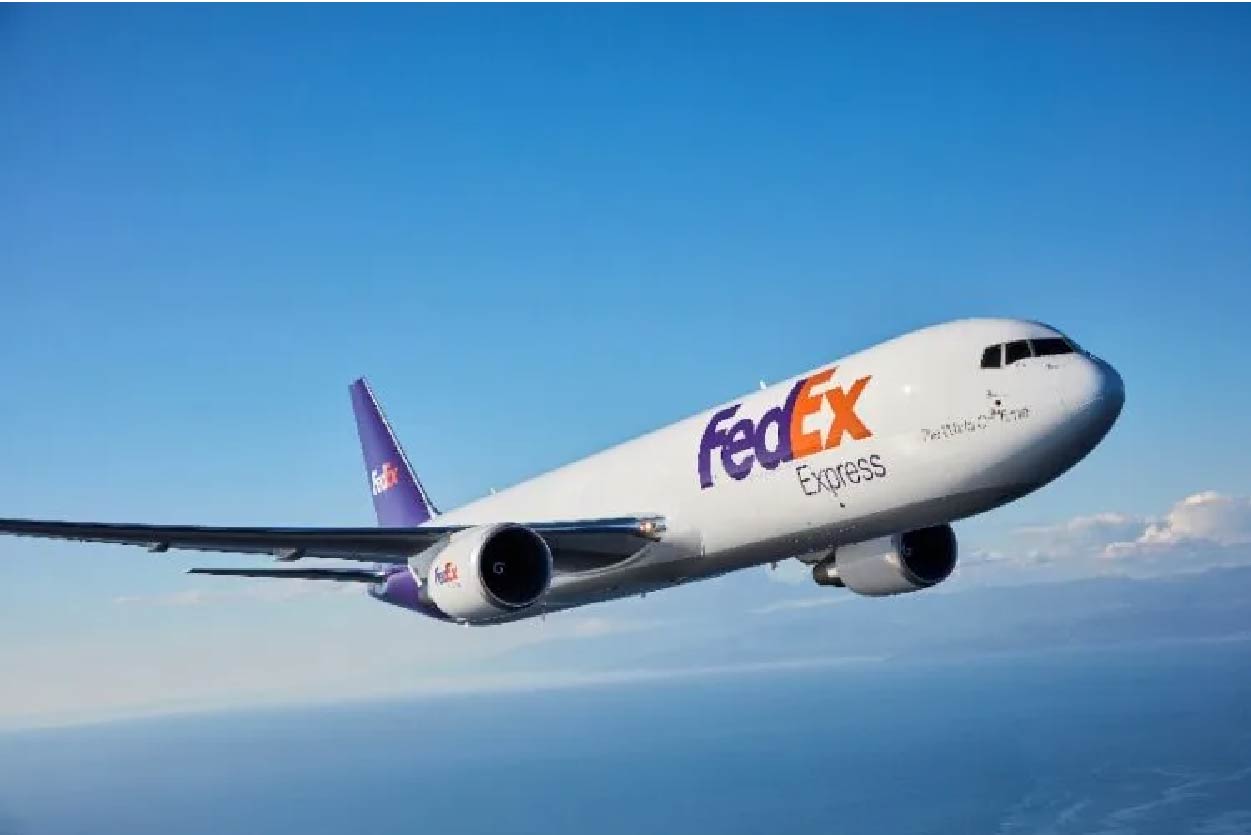
Future readiness depends on modern, connected systems and AI-powered insights
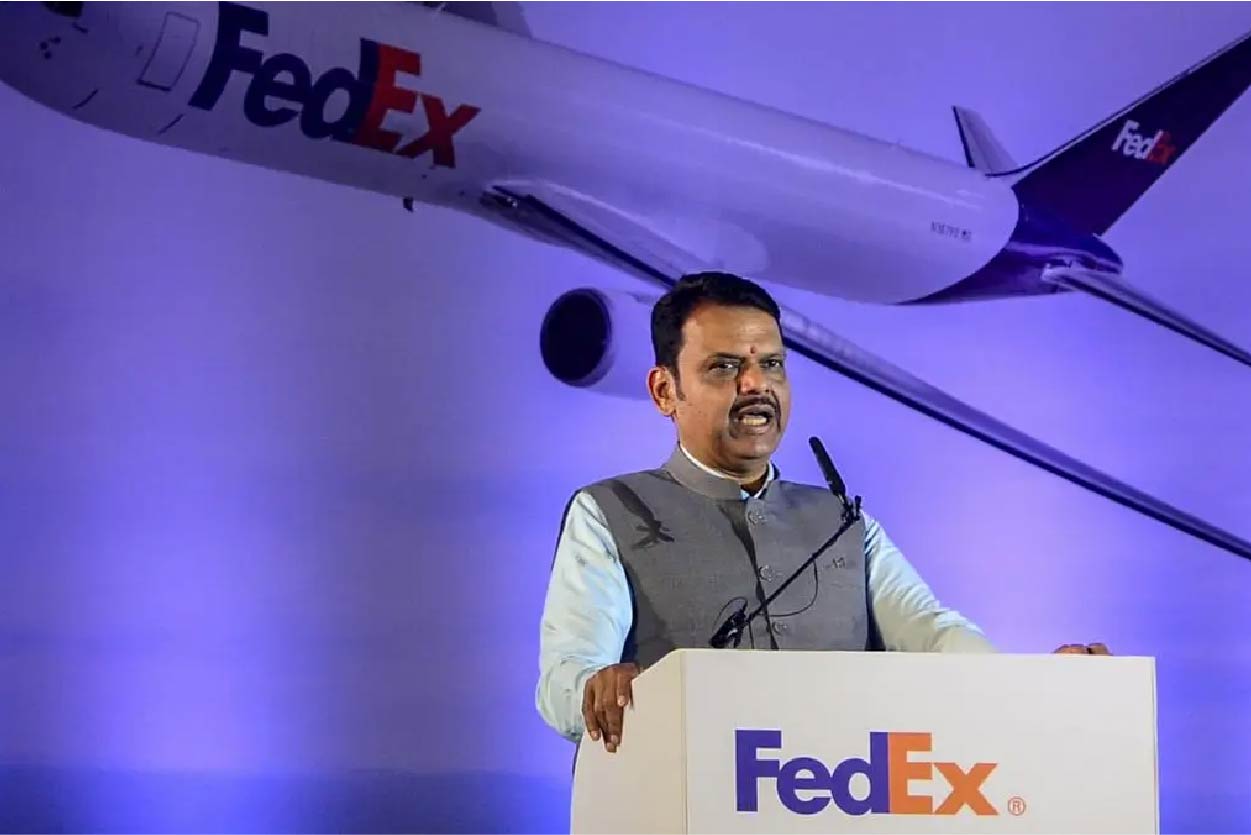
FedEx is investing ₹2,500 crore to build a 300,000-square-feet fully automated air cargo hub at Navi Mumbai International Airport in partnership with Adani Airport Holdings...

As trade uncertainty continues to strain sourcing, companies will lean on cost-management strategies and AI-fueled efficiencies.
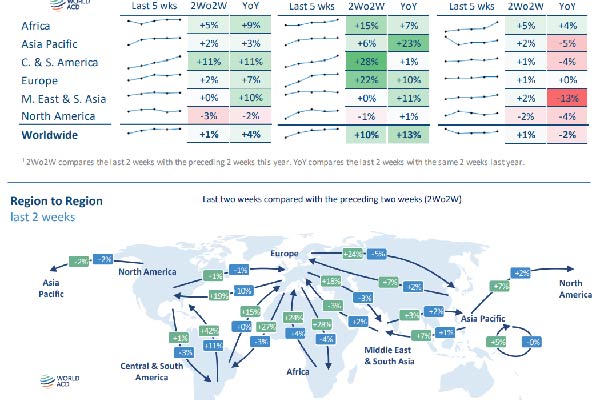
Worldwide air cargo demand rose by a further +3% in the final week of January, despite another volatile week of capacity disruptions, with tonnages boosted by flower shipments...

The demand for air travel continues to grow. In 2026, airlines are expected to welcome some 5.2 billion passengers, up 4.4% on 2025.

 ALS
ALS