


Freight markets across Asia-Pacific are entering 2026 in a state of controlled tension, as pre-Lunar New Year shipping activity tightens air and ocean capacity while underlying demand signals remain fragile. New data from Dimerco Express Group’s February 2026 Asia-Pacific Freight Report shows that while seasonal front-loading is temporarily supporting volumes, shippers moving goods from Asia to the U.S. and Europe are facing a narrow planning window marked by rate volatility, operational risk, and growing trade compliance complexity.
Global manufacturing ended 2025 with only marginal expansion, with the Global Manufacturing PMI hovering near 50.5, signaling cautious demand and subdued order growth heading into the first quarter of 2026. Against that backdrop, short-term freight demand in Northeast and Southeast Asia, driven significantly by high-tech cargo, is more influenced by calendar pressures than by structural recovery.
Air freight: Seasonal tightness masks softer demand
Air cargo demand from Asia to the U.S. and Europe is easing overall, with e-commerce volumes continuing to slow after January. Spot rates on transpacific and Asia-Europe lanes are largely stable or under mild downward pressure. However, intra-Asia lanes are experiencing acute capacity constraints as the Lunar New Year approaches, particularly on routes connecting China with Taiwan, Singapore, Malaysia, India, and Thailand.
Ocean freight: Rates hold as carriers defend the floor
On the ocean side, carriers continue to hold the line on transpacific pricing despite soft cargo demand. Rate floors are being maintained through capacity discipline rather than demand strength, with nearly half of all global blank sailings concentrated on the Transpacific Eastbound trade lane. An unusually high share that underscores cautious carrier expectations.
While Lunar New Year could offer temporary rate support, cargo volumes have yet to show a clear pre-holiday surge. The result is a market that remains vulnerable to sudden swings once factories shut and inventory digestion begins in February.
Trade policy and compliance risks rise in 2026
Beyond capacity and pricing, shippers are facing an increasingly complex compliance environment. New Section 232 tariffs targeting certain semiconductor products introduce potential 25% duties tied to technical thresholds and end-use declarations, raising the stakes for accurate classification and documentation.
At the same time, U.S. Customs and Border Protection will require all customs refunds to be processed electronically beginning February 6, 2026, a procedural shift that could disrupt cash flows for companies that are not prepared to enroll in ACH refund systems. Taken together, these changes signal that 2026 may be defined less by tariff uncertainty and more by enforcement risk.
Making sense of a narrow window
In light of these conditions, logistics decision-making is shifting from chasing short-term rate relief to focusing on timing, compliance discipline, and network flexibility.
“In this market, the risk isn’t just higher costs. It’s misreading when capacity tightens, when it disappears, and when it suddenly comes back,” said Kathy Liu, Vice President of Global Sales and Marketing at Dimerco Express Group. “Shippers that treat Lunar New Year as a single event rather than a compressed cycle are more exposed to disruption.”
Ted Chen, Director of Ocean Freight at Dimerco, added that carrier behavior is sending an important signal: “With more new vessels entering service in 2026, carriers are trying to avoid another rate war. That means capacity decisions, not demand alone, will shape outcomes on transpacific lanes.”
Source: https://www.ajot.com/news/global-freight-tightens-ahead-of-lunar-new-year-as-shippers-brace-for-volatility-across-asia-u.s-trade-lanes

Việt Nam’s semiconductor exports grew at a compounded annual rate of 31.8 per cent between 2006 and 2025, while imports grew by 30 per cent a year during the same period.

Airfreight rates appear strong as the peak season draws near, with year-on-year gains on transpacific lanes robust while Asia-Europe rates start to recover following the end...
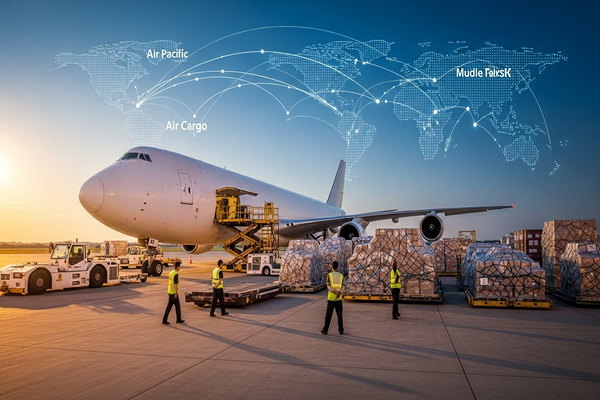
Data-centre investment is reshaping trade flows and putting new pressure on the industry's capacity balance, with hi-tech now the main engine of air cargo growth, according...
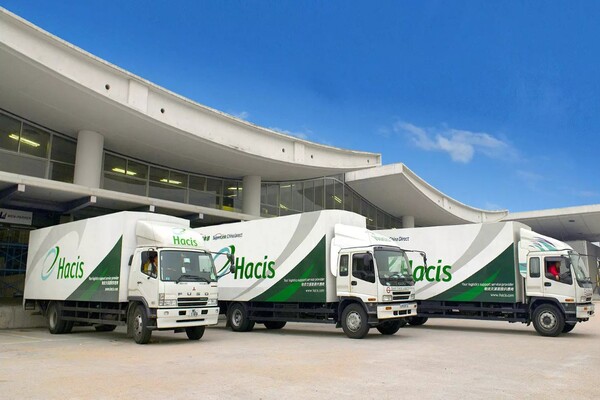
Building on the pilot shipment from Hanoi, Hacis is developing its Vietnam–Hong Kong road feeder service to offer exporters greater routing flexibility and access to Hong...
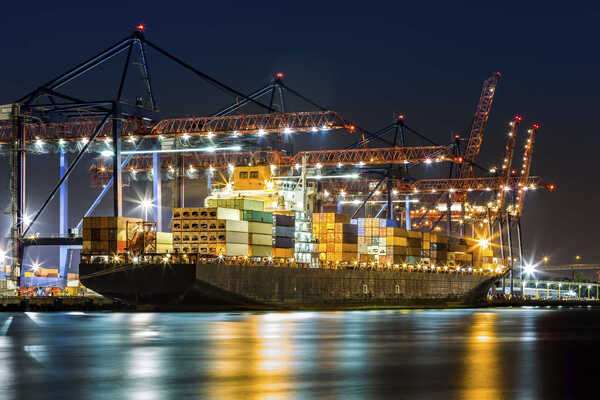
Container spot freight rates on Asia–Europe routes have rebounded after three consecutive months of decline, ahead of new Freight All Kinds (FAK) rate increases scheduled...
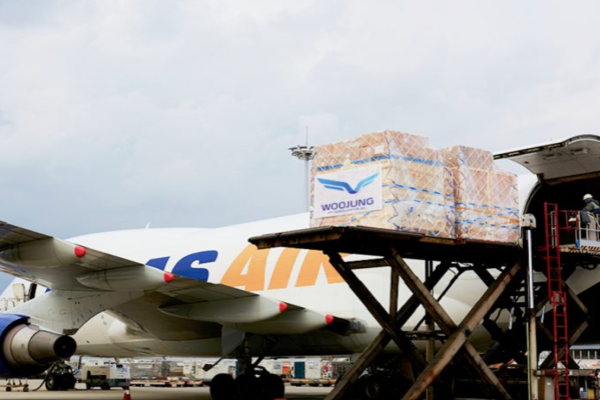
Samsung SDS is expanding its airfreight operations through the acquisition of South Korean cargo consolidator Woojung Air. The deal will strengthen Samsung SDS’s access to...
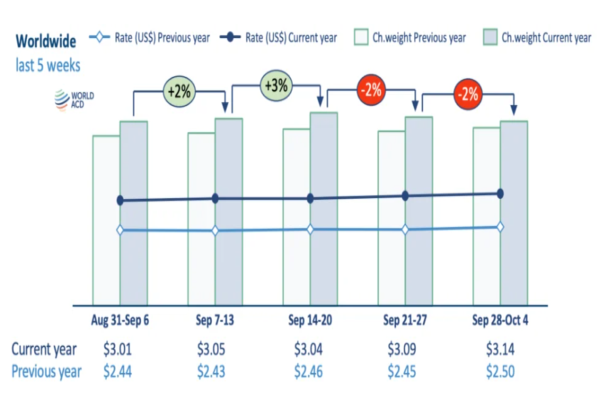
Worldwide air cargo tonnages bounced back strongly in September following their August lull, with volumes rising +3% compared with the previous month and growing +9%, year...

The rapid growth in demand for artificial intelligence (AI-related) goods that has consumed air cargo capacity out of Asia has also helped insulate global trade against tariffs...

Samsung SDS – the IT solutions and logistics arm of Samsung – is expanding its presence in air cargo through the acquisition of Korean airfreight consolidator Woojung Air...
Geopolitical uncertainty and digital transformation are reshaping global logistics, making supply chain resilience a strategic priority. FIATA emphasises the need for diversified...

 ALS
ALS