


From 1st July 2026, a flat €3 charge will apply to e-commerce parcels coming into the EU worth less than €150. The idea is straightforward enough: bring a bit more balance between European retailers and overseas platforms that ship directly to consumers without the same cost burden. It also ties into a wider shake-up due in 2028, when the long-standing €150 duty-free threshold is set to disappear entirely.
But as with most customs reforms, the details are where things start to get complicated.
Lawmakers have already picked up on early signs that some operators may try to game the system. One concern is that consumer orders could be bundled together and re-labelled as business-to-business imports, which might in theory sit outside the new charge. A separate €2 customs handling fee is also in the pipeline, and could arrive sooner than expected, possibly July 2026 instead of November.
An EU parliamentary question has already put this issue on the table, and the Commission’s answer was fairly blunt. Grouping individual customer orders together does not change what they are in legal terms. If they originate as consumer purchases, they remain subject to the €3 levy, no matter how they’re packed or shipped.
On paper, that closes the door on the most obvious workaround.
The Commission has leaned on established EU court principles, making the point that each transaction has to be judged on its own facts. In other words, you can’t turn retail sales into wholesale simply by changing the logistics.
To back this up, officials are also working on technical updates to customs rules. These would help flag shipments that appear to be misdeclared, and introduce an anti-abuse clause allowing authorities to reclassify artificially grouped consignments.
The bigger question, though, isn’t really about legal definitions. It’s about whether any of this can be enforced properly once millions of parcels start moving through the system.
Tracking what’s inside high-volume cross-border shipments depends on access to detailed order-level data, which sits across a patchwork of platforms, warehouses and logistics providers. That kind of visibility isn’t always straightforward, especially when you scale it across all EU Member States.
And that’s where the tension lies. The rules may be tightening on paper, but whether enforcement can keep pace with the sheer volume of low-value trade is still very much up for debate.
Source: https://aircargoweek.com/eu-tightens-low-value-import-duty-rules/

The launch of a dedicated air cargo route between Ezhou Huahu Airport in China’s Hubei province and Lahore marks the first time a direct freight air link has been established...

Although global sustainable aviation fuel (SAF) production is expected to increase by more than 26% in 2026 compared to the previous year, it will comprise just 0.8% of jet...

Freight forwarders are expected to see profitability remain under pressure despite a peace deal being reached by the US and Iran.

Promotions began in mid-May and run through June 20 to June 21. May retail sales fell 0.6% year-on-year. This year's event may provide clues on popularity of AI shopping tools
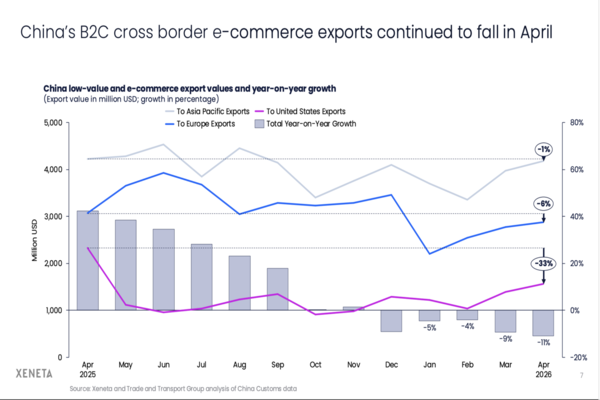
Chinese cross-border e-commerce exports continue to decline following regulatory changes in the US and increased scrutiny in Europe
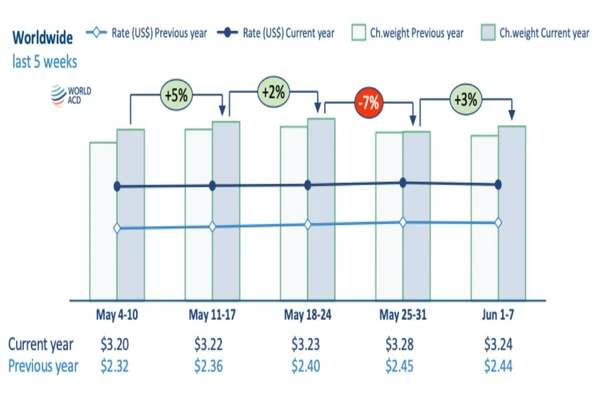
Air cargo activity stepped up a gear and airlines redeployed capacity after a slowdown in the previous week caused by a convergence of public holidays in Europe (Pentecost),...
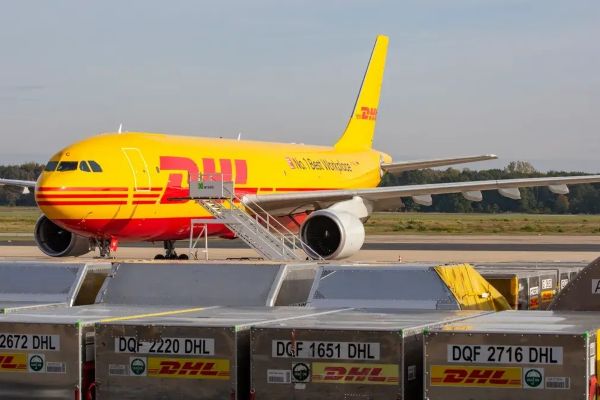
TIGHTENING capacity, earlier peak season demand and rising rates are putting increasing pressure on air and ocean supply chains in the strong Asia Pacific region, according...

The airline association said that this year SAF production is expected to reach around 2.4m tonnes, up 25% from 2025 levels. However, the growth rate is down from the 90%...

Transport logistic Southeast Asia and air cargo Southeast Asia 2027 will focus on supply chain resilience as global trade faces growing disruption from geopolitical tensions,...
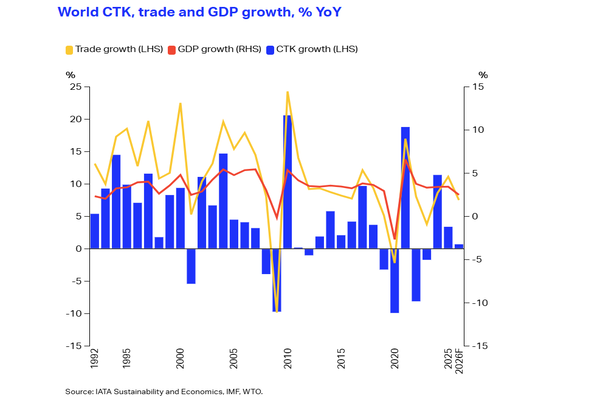
After a strong start to the year, cargo demand is now expected to grow by just 0.7% in 2026. Capacity shortages, especially in passenger bellyhold, are tightening the market...

 ALS
ALS