


In 2025, there were no fatal ground handling accidents and one serious injury. It means that, considering nearly 40 million flights are operated each year, that record reflects professionalism and discipline.
“These are not just numbers. Each is a moment where something didn’t go as planned. And that means there are still opportunities to improve. And the three areas with the greatest potential are: stronger implementation of global standards, modernising GSE fleets, and digitalisation,” Mejstrikova said. “Safety is rarely about one big breakthrough. By focusing efforts in these three fundamental areas, we will strengthen the fundamentals to make our strong performance even better.”
Loading errors are not merely inconvenient; they carry safety, financial and regulatory consequences that ripple well beyond the ramp. When weight and balance data is wrong, the aircraft is wrong. When the aircraft is wrong, everything downstream is wrong.
Digitalisation is the key to efficiency across industry functions, including ground handling. A particular challenge is the fragmentation of data.
“Too many ground handling processes still rely on disconnected systems, manual inputs, and delayed information. And when visibility is poor, mistakes happen. Bags are misplaced. Aircraft are loaded incorrectly. Risks are identified too late. Digitalisation changes that by giving operators better visibility and enabling faster, better decisions,” Mejstrikova explained.
For cargo operators, that visibility gap is especially acute. Freighter loading involves heavier and more varied unit loads than passenger baggage. It also requires more complex documentation chains, which is now arriving in the form of the X565 data standard.
“Members using digital load control and reconciliation systems are reporting reductions in loading errors of more than 90 percent along with fewer delays,” she said.
X565 is designed to modernise how weight and balance information is exchanged across the turnaround chain, replacing manual processes with standardised digital workflows that allow faster, more accurate load control. IATA has been advancing the standard’s adoption, and traction is building where it matters most: with the airframe manufacturers.
Boeing is deploying X565 for the 737 family. Airbus has made what Mejstrikova described as “significant progress” across the A320, A330 and A350, and, notably, across “future cargo variants.”
“We are seeing similar progress in winter operations. Through the De-Icing Anti-Icing Quality Control Pool, airlines now have better visibility into operational risks across de-icing stations, supported by stronger data sharing and a new industry dashboard that helps identify hazards earlier and strengthen safety oversight,” said Mejstrikova.
According to IATA Director Ground Operations, whether it is baggage, aircraft loading, de-icing, or safety reporting, the goal is the same, to increase visibility, reduce errors, and make faster decisions. “And that is what digitalisation must deliver,” she stated.
Source: https://aircargoweek.com/thirty-eight-thousand-reasons-to-go-digital/

The biggest growth sector in air cargo could face significant challenges if the Strait of Hormuz remains closed.
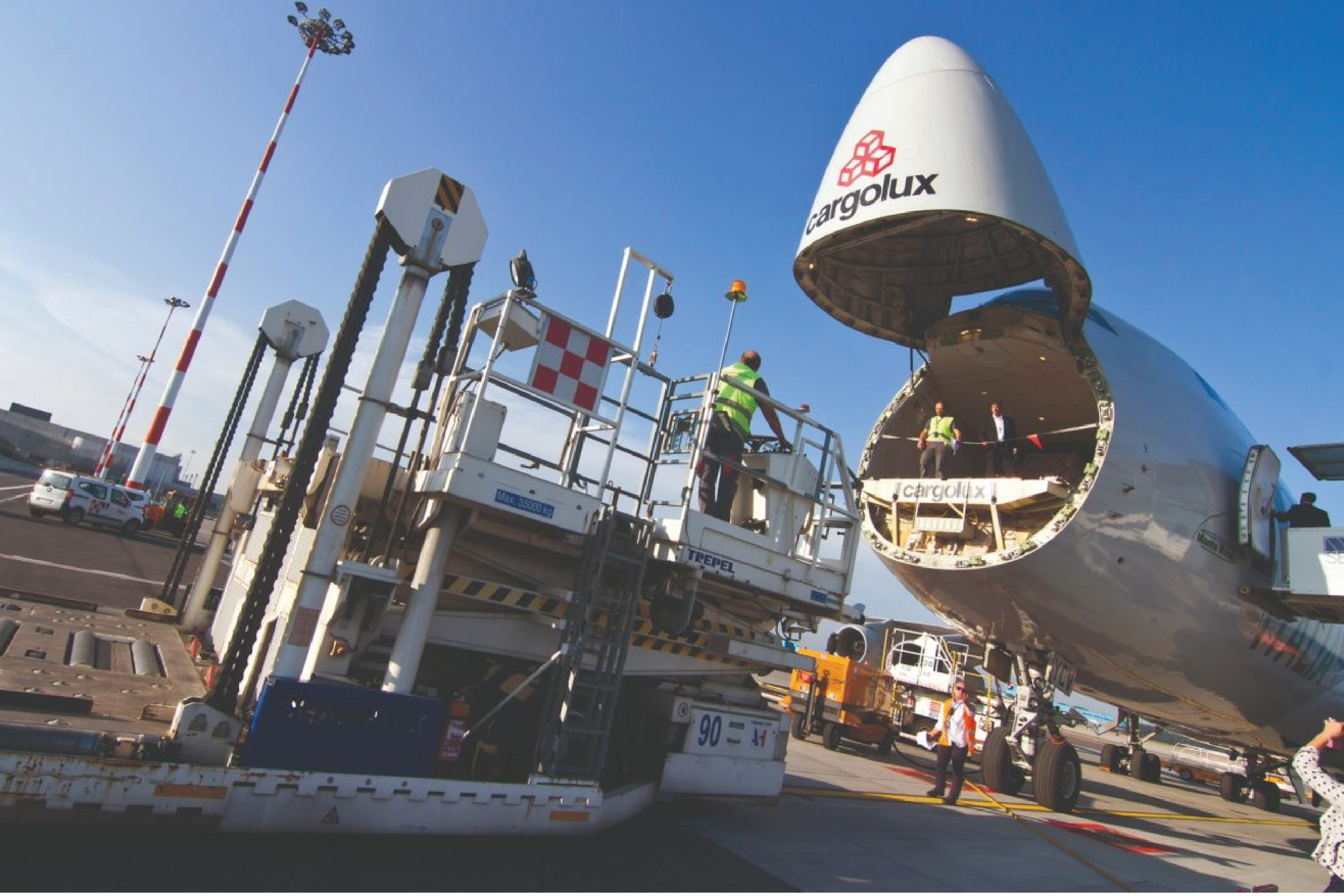
The most valuable cargo in the world today is neither gold, diamonds, nor pharmaceuticals

IATA called for stronger implementation of global standards, a transition to modernised ground support equipment (GSE) and greater digitalisation in the ground handling sector.
The recovery is uneven and increasingly shaped by changing tradelanes.

Widebody freighter conversions exceeded narrowbody conversions for the first time since 2009 last year as a result of narrowbody oversupply.
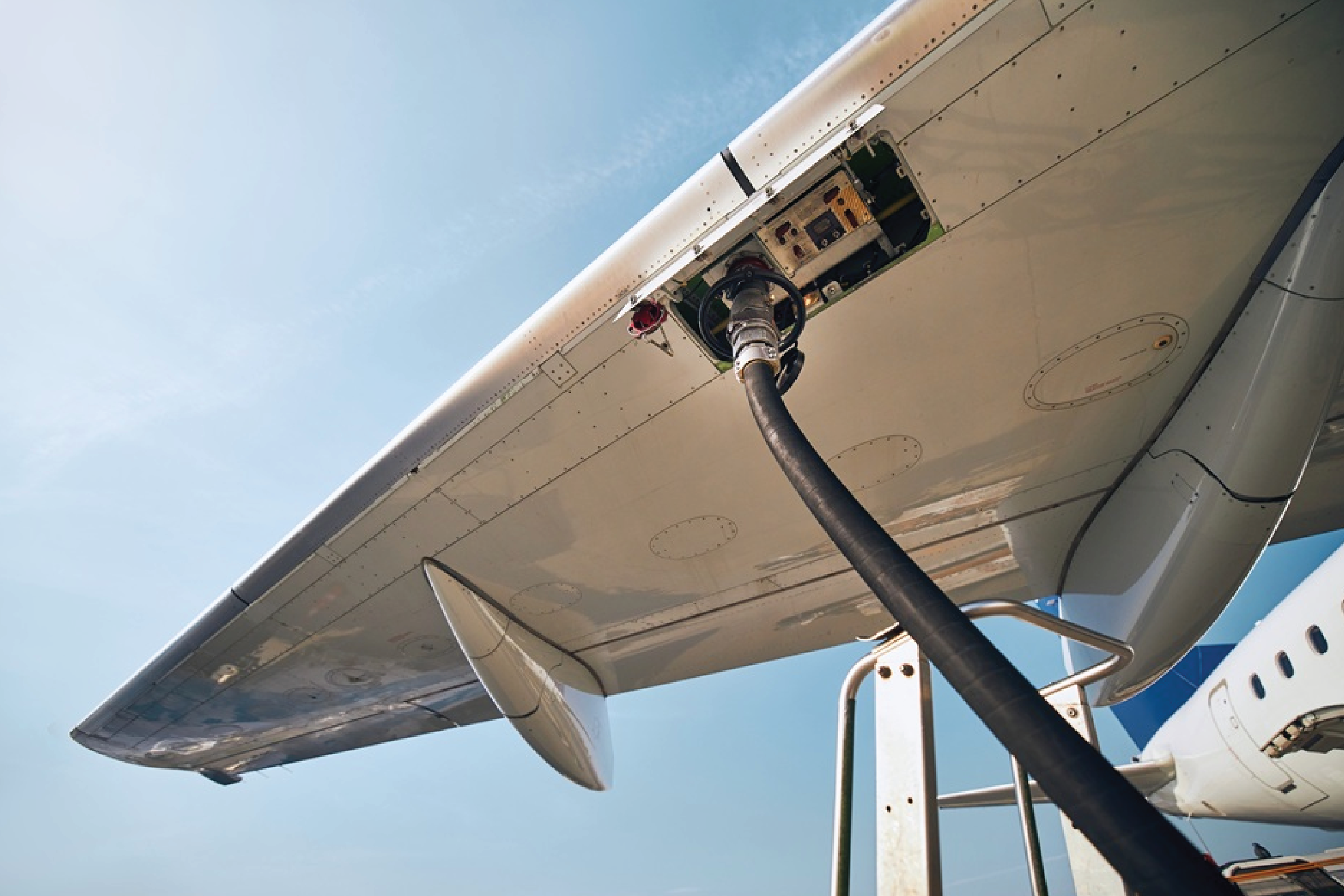
A group of US cargo carriers has called on the Trump administration to temporarily suspend taxes on jet fuel in response to rising prices caused by the Middle East conflict.
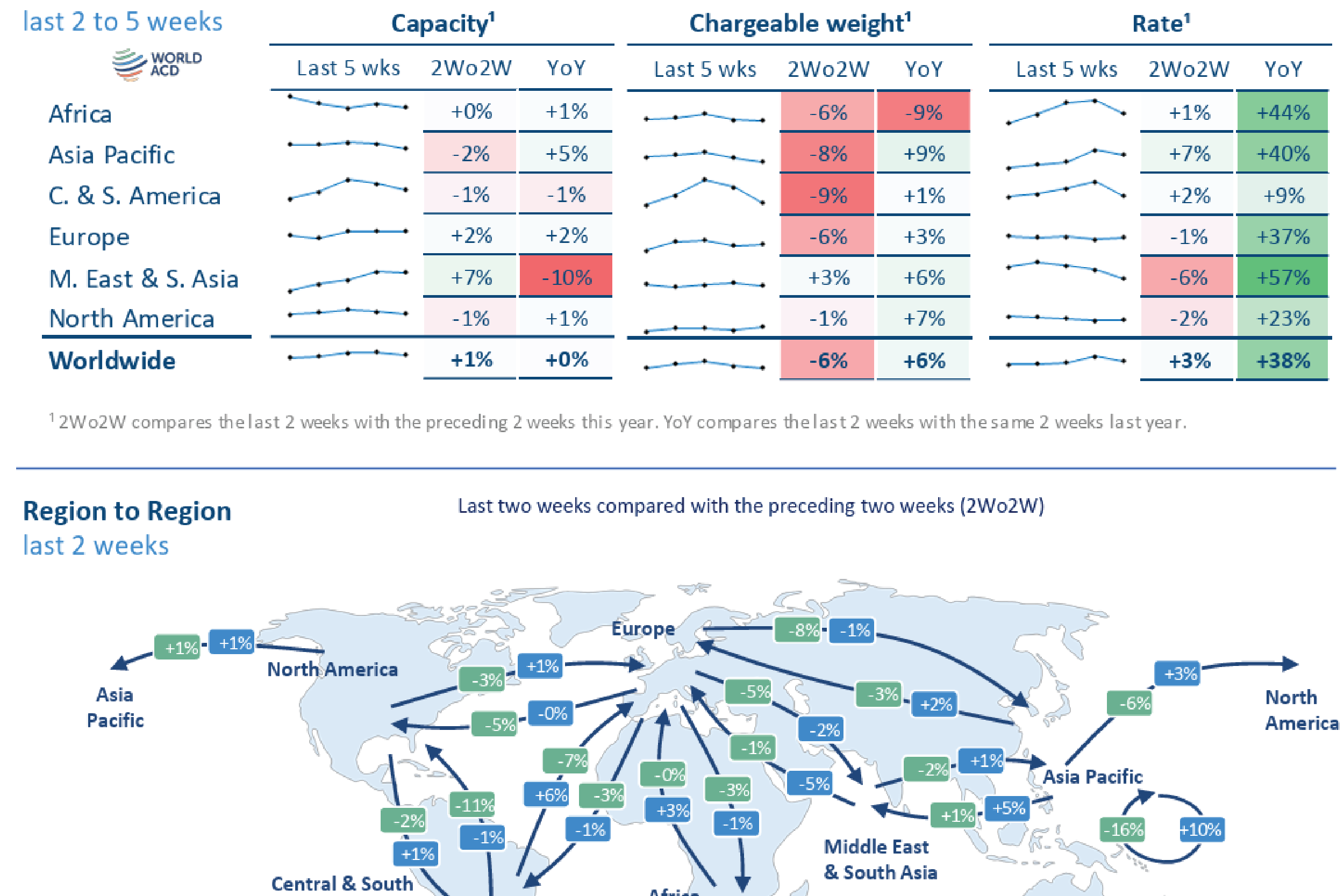
Volume from MESA dropped -5% WoW both to USA and Europe
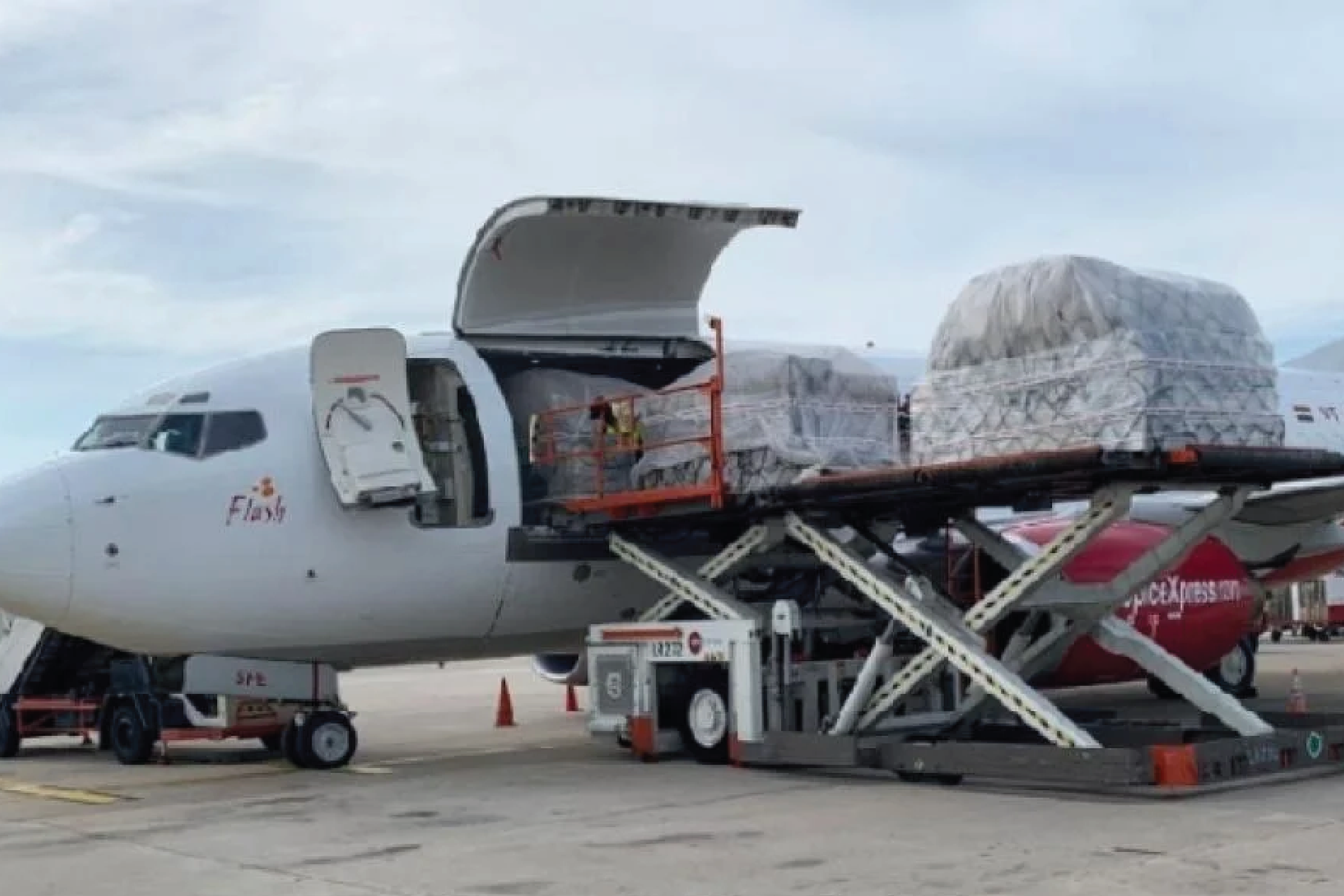
India’s air cargo sector has achieved a major milestone, handling a record 3.72 million metric tonnes (MMT) in FY2024-25
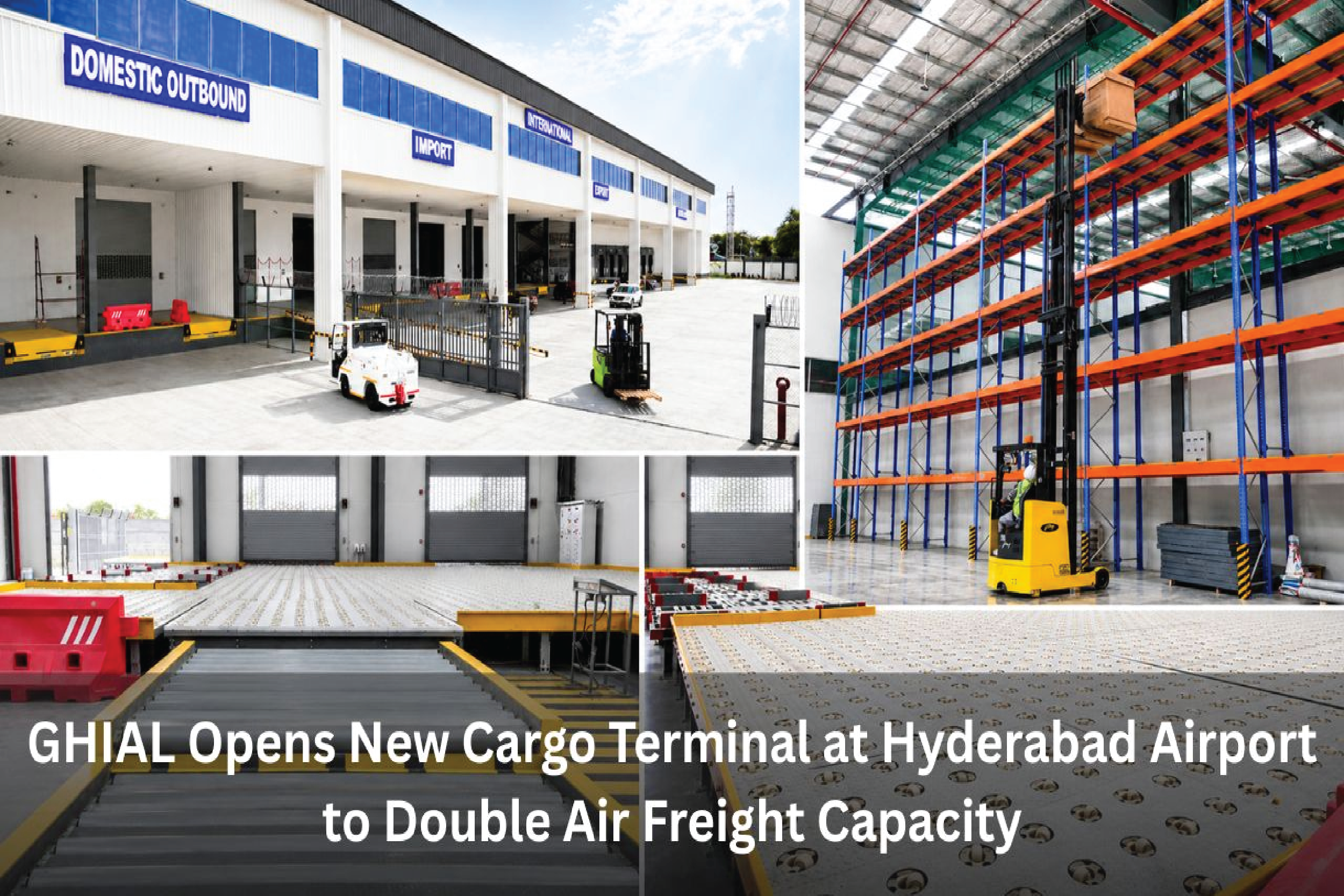
The new Cargo Terminal 2, inaugurated on May 18, spans 16,864 square metres and will initially handle around 50,000 metric tonnes of cargo annually

 ALS
ALS