


The most valuable cargo in the world today is neither gold, diamonds, nor pharmaceuticals; it is the hardware powering the AI revolution. The race to transport this equipment is reshaping global air cargo forever. Amazon, Google, Meta, and Microsoft are set to pour more than $600 billion into AI infrastructure in 2026 alone. By the end of the decade, total spending on data centers, power, and compute capacity could climb to nearly $7 trillion. This represents the largest infrastructure build-out in human history—surpassing any project humanity has ever constructed—and it is unfolding in a fraction of the time.
However, a critical aspect often goes unnoticed: before any AI model can run, the hardware powering it must be physically transported. This includes chips fabricated in Taiwan, server racks manufactured by Dell and HPE, and networking gear and cooling systems assembled by Foxconn in China, Vietnam, and Thailand. Every component must reach its data center precisely, safely, and on time.
In a recent Flexport webinar titled *How to Move the World's Most Critical Infrastructure*, Konstantina Georgaki, Flexport's General Manager for the Northwest, highlighted where the pressure is already mounting. Direct capacity on the 'AI highways'—connecting Taiwan, Vietnam, China, and Thailand to the US—is being severely crunched. She warned that shippers must adopt creative routing and resilient cargo-speed mixes simply to keep pace.
According to IATA, more than two-thirds of AI-related trade value was moved by air in 2025. AI-linked air cargo grew by approximately 20% year-on-year, accounting for 53% of the total value of all air-transported trade, despite representing only 7% of its volume. This underscores the immense value of this freight. Furthermore, transporting these goods is brutally unforgiving; a single AI server rack can cost over a million dollars. These units are highly sensitive to mechanical shock and micro-vibrations; even minor jolts during ground handling can compromise their calibration and performance.
During the webinar, Alexey Boutay, Flexport's Global Head of Air Freight, described how he built three separate routing chains out of Hanoi for one of the world's largest networking companies. This strategy ensured that when Middle Eastern airspace shut down and major freight operators were grounded, the cargo continued to move, maintaining a 98% on-time performance rate.
The computer economy runs on chips, chips run on logistics, and logistics runs on air cargo. This is not merely a short-term spike; it is a structural shift reshaping trade lanes, freighter demand, and the very nature of transporting the world's most critical cargo.
Source: https://youtu.be/SzD_50Qb7TA?si=BTnLqs7sKdZY374j

The biggest growth sector in air cargo could face significant challenges if the Strait of Hormuz remains closed.
IATA called for stronger implementation of global standards, a transition to modernised ground support equipment (GSE) and greater digitalisation in the ground handling sector.
Nearly 38,000 loading errors were recorded across global ground operations in 2025, alongside more than 29,000 aircraft damage events.
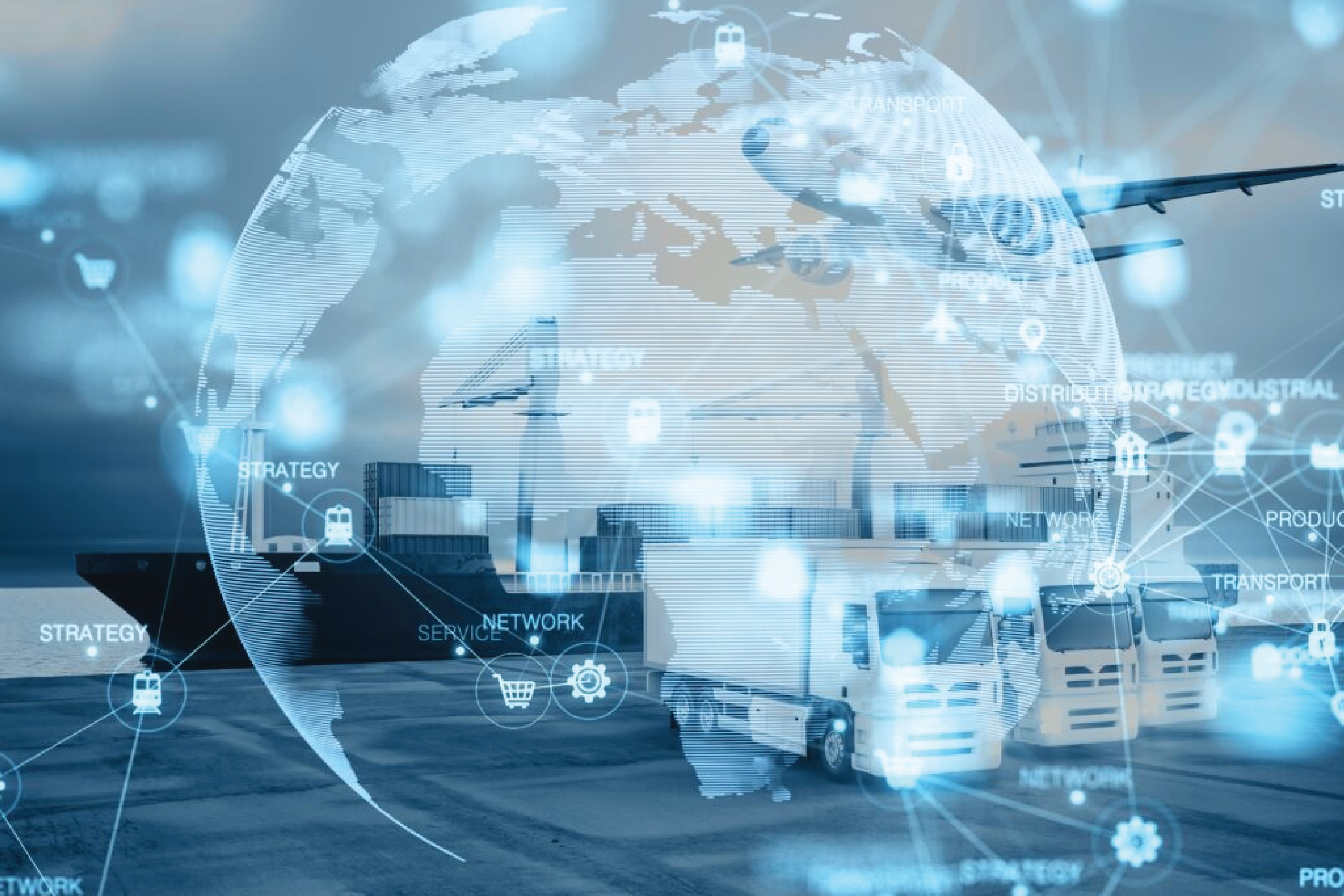
The recovery is uneven and increasingly shaped by changing tradelanes.

Widebody freighter conversions exceeded narrowbody conversions for the first time since 2009 last year as a result of narrowbody oversupply.
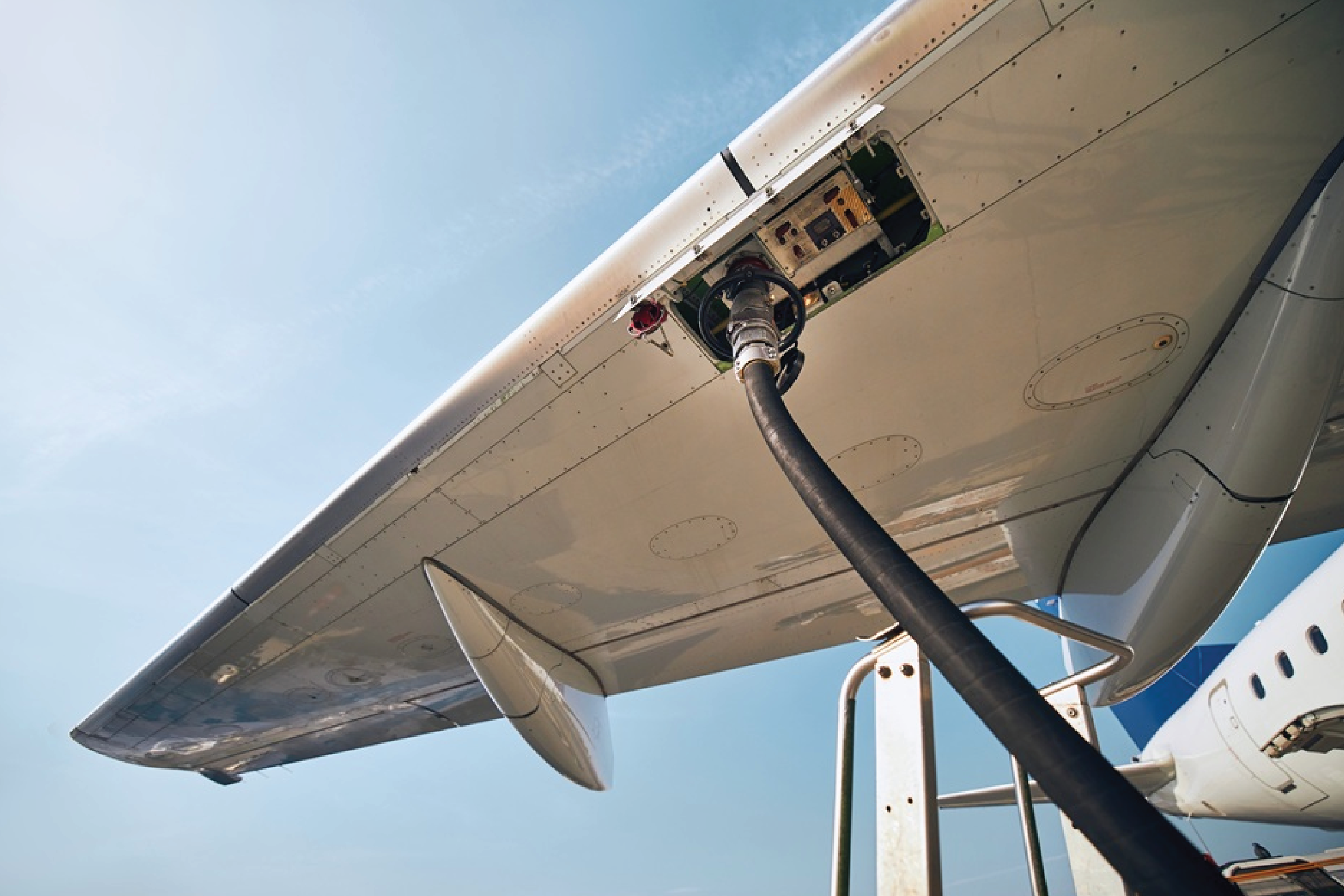
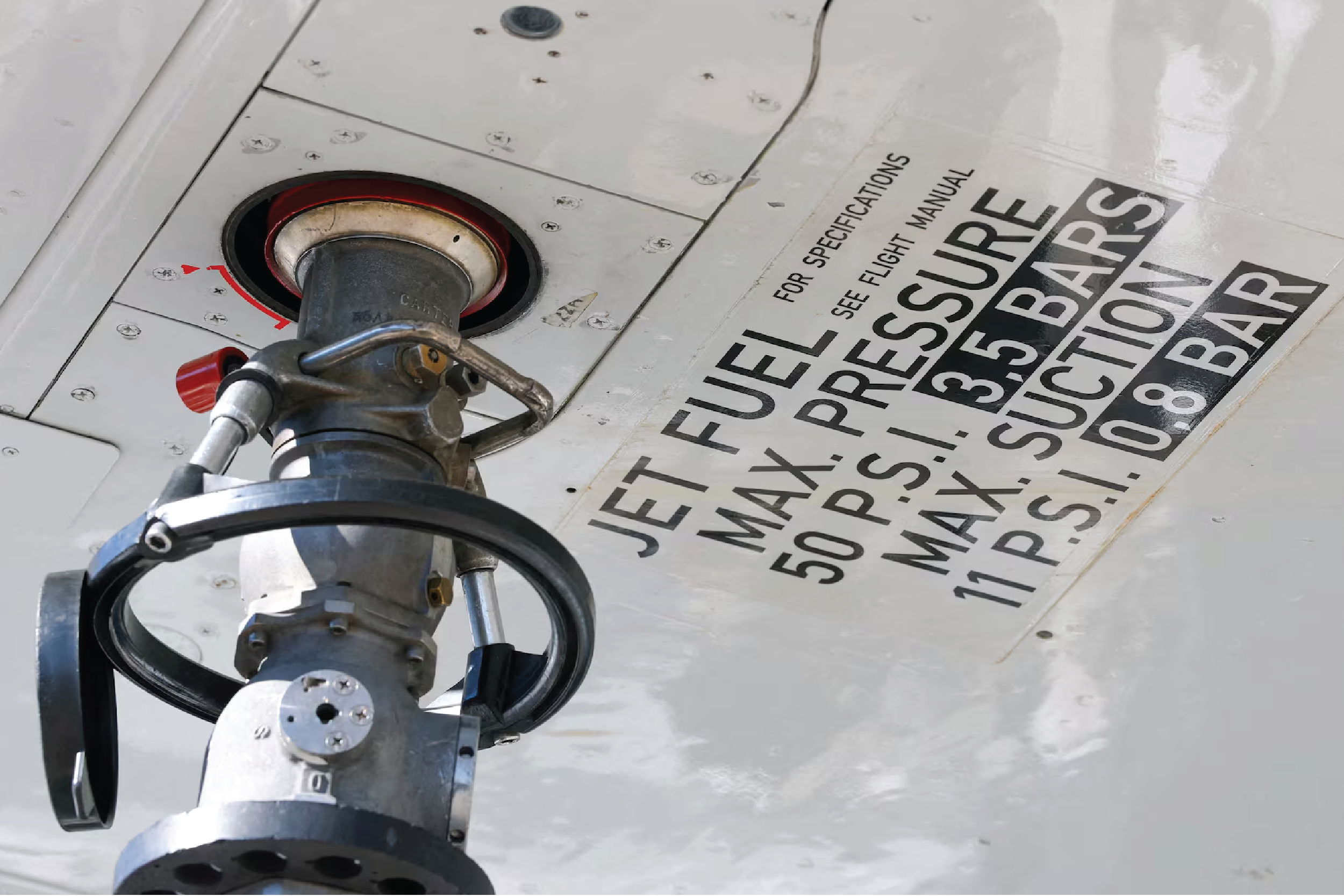
A group of US cargo carriers has called on the Trump administration to temporarily suspend taxes on jet fuel in response to rising prices caused by the Middle East conflict.
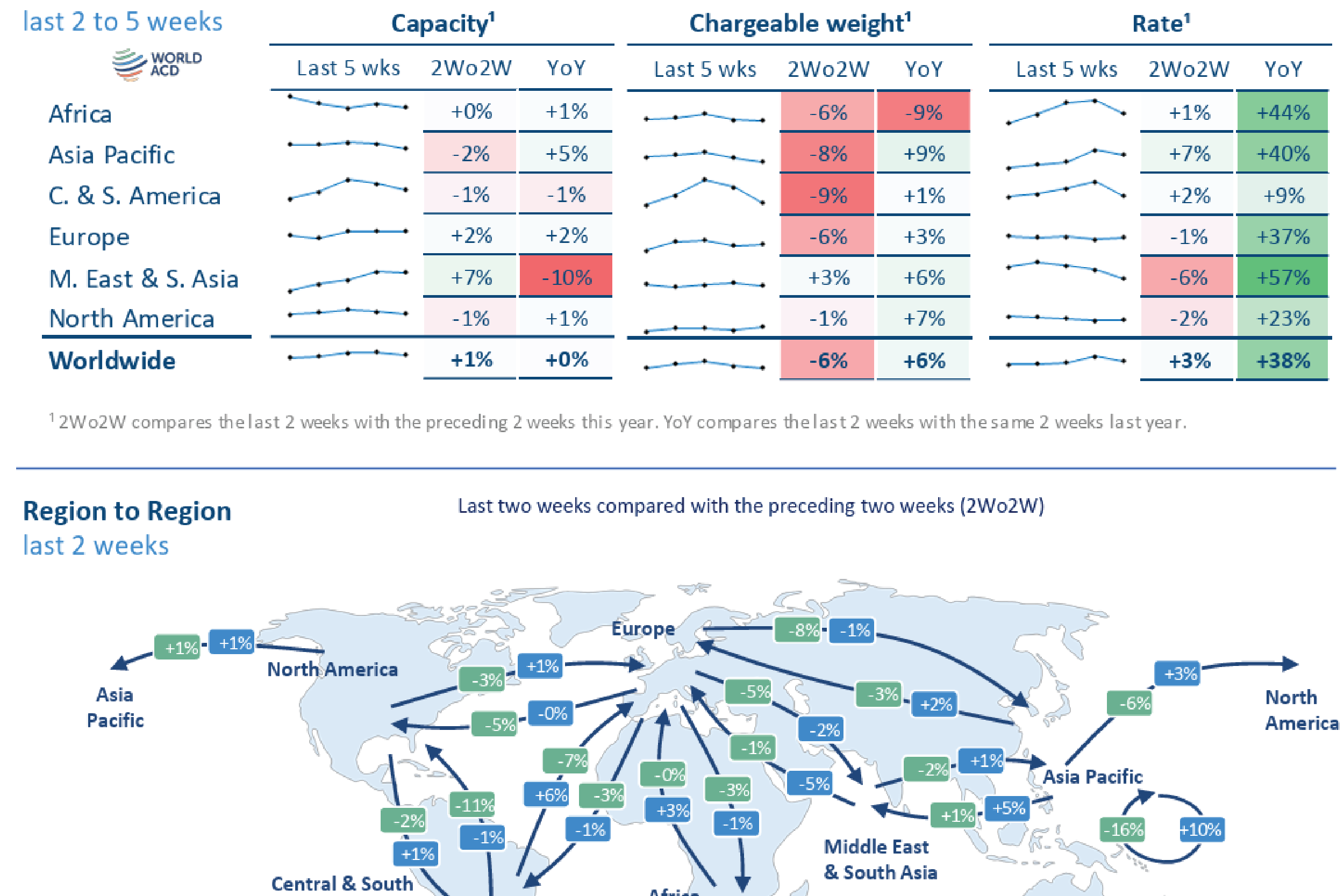
Volume from MESA dropped -5% WoW both to USA and Europe
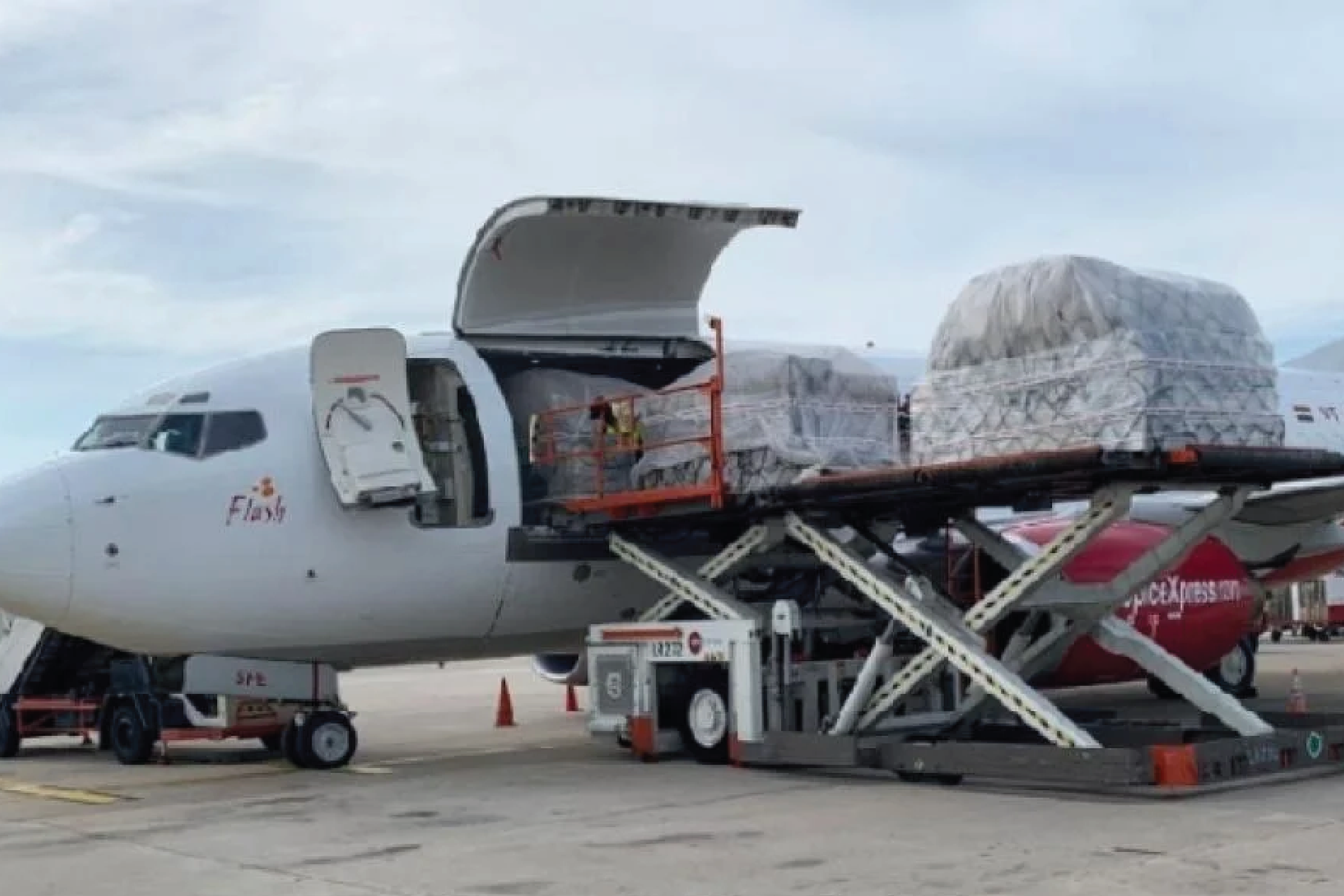
India’s air cargo sector has achieved a major milestone, handling a record 3.72 million metric tonnes (MMT) in FY2024-25
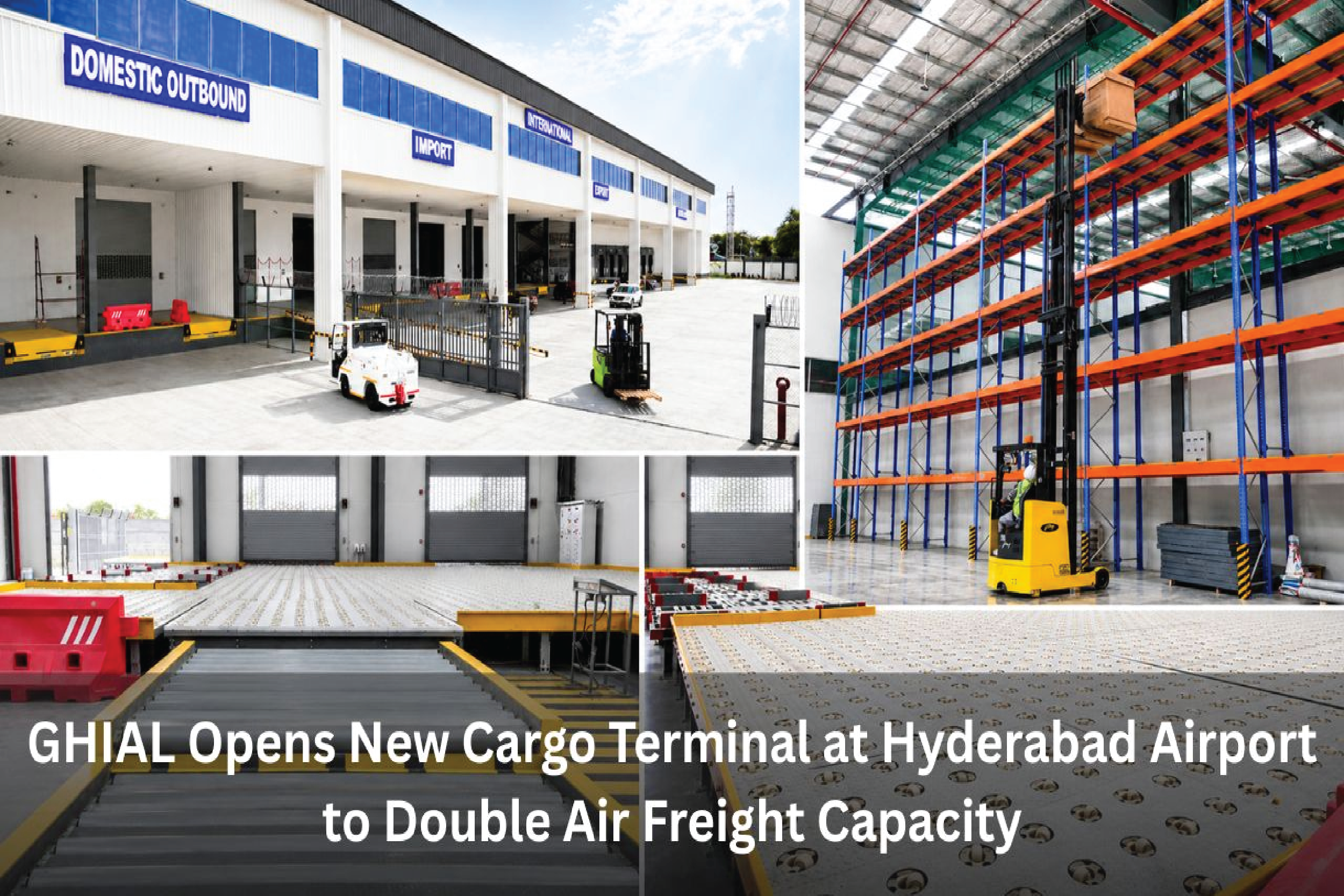
The new Cargo Terminal 2, inaugurated on May 18, spans 16,864 square metres and will initially handle around 50,000 metric tonnes of cargo annually

 ALS
ALS