


The Middle East’s air freight sector is under growing pressure as escalating military tensions between Iran, Israel, and the United States disrupt commercial aviation across the region.
The latest missile attack by Iran on a U.S. base in Qatar, and the broader fallout from U.S. strikes on Iranian nuclear facilities, have triggered widespread flight cancellations, airspace closures, and rerouted cargo and passenger operations.
Airlines are scrambling to adapt as multiple conflict zones emerge across a region already critical to global east-west air corridors. Since the initial Israeli strikes on Iran began, airspace closures over Iran, Iraq, Syria, Jordan, and parts of Israel have created a vast void on regional radar screens, impacting both passenger and cargo operations.
Flights to major Gulf gateways such as Dubai, Doha, and Riyadh have been cancelled or rerouted by a growing list of international airlines. British Airways, Singapore Airlines, Air France KLM, American Airlines, and United Airlines are among those halting services to key Middle Eastern destinations, with some suspending operations until late June or beyond. Several BA flights between Heathrow and the Gulf have been diverted mid-route or forced to turn back due to changing airspace restrictions.
Regional carriers have also scaled back. Emirates, FlyDubai, Qatar Airways, Etihad, and SalamAir have all suspended services to high-risk destinations including Iran, Iraq, Israel, Syria, and Lebanon. Etihad has paused all flights to Tel Aviv until mid-July, while Qatar Airways has pulled flights to Iran, Iraq, and Syria.
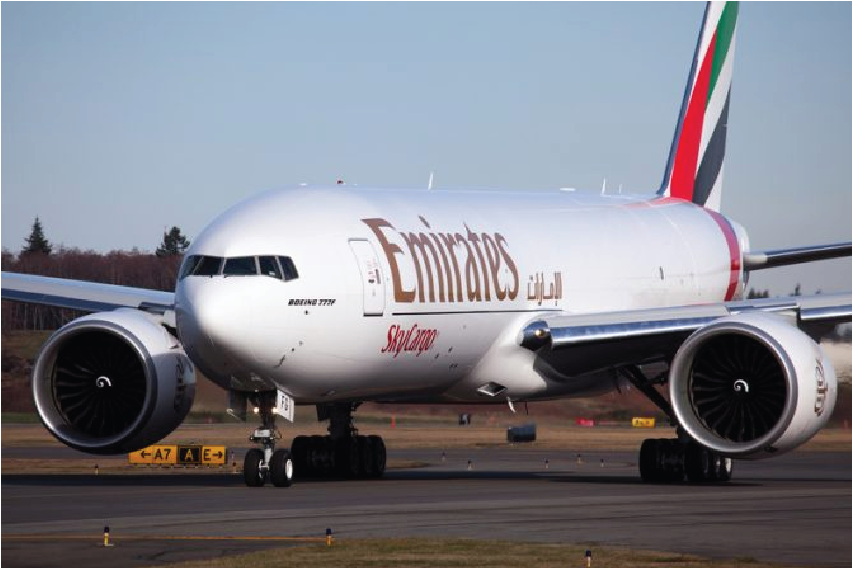
While many wide-body passenger flights, which also carry belly-hold cargo, are affected, major freighter operators such as Qatar Airways Cargo and Emirates SkyCargo continue to run services.
However, delays are inevitable where shipments were booked on cancelled passenger flights, and rerouting adds time, cost, and complexity to operations.
Detours via the Caspian Sea or southern corridors over Egypt and Saudi Arabia are being used to avoid volatile zones, but these longer routings increase fuel burn and raise crew management challenges. The threat of GPS jamming and spoofing, now increasingly reported over the Persian Gulf, adds further operational risk.
The situation remains fluid, with safety warnings from aviation risk monitoring bodies highlighting the elevated danger to U.S. affiliated aircraft and flagged the potential for broader targeting across Gulf states.
Source: https://logicall.com/blog/air-freight-under-strain-amid-escalating-middle-east-conflict/

The jet fuel crisis is no longer a short-term disruption. Even if geopolitical conditions stabilise, the structural impacts on fuel supply chains, refining capacity and global...
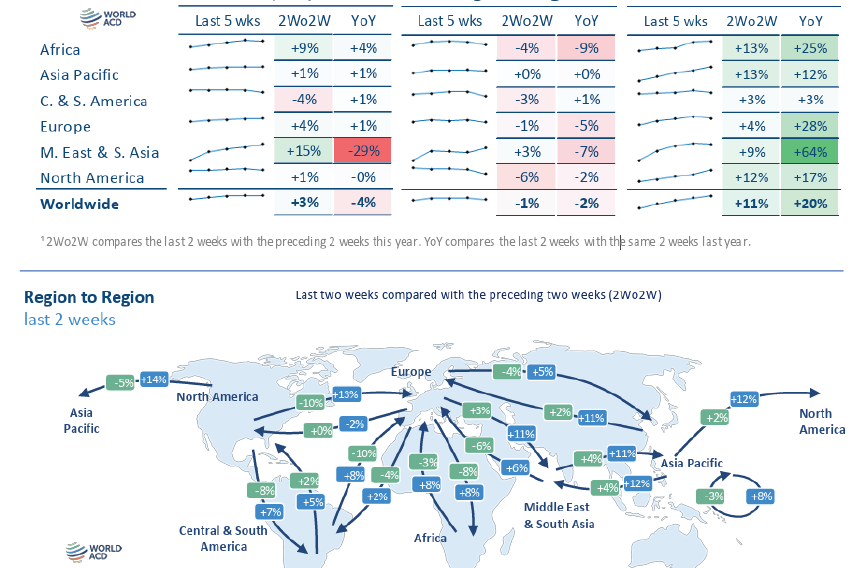
Air cargo exports from APAC declined -3% WoW to Europe and -1% to USA.

China achieved a new milestone in making large-scale unmanned transport equipment as the domestically-developed HH-200 successfully completed its maiden flight on Wednesday.
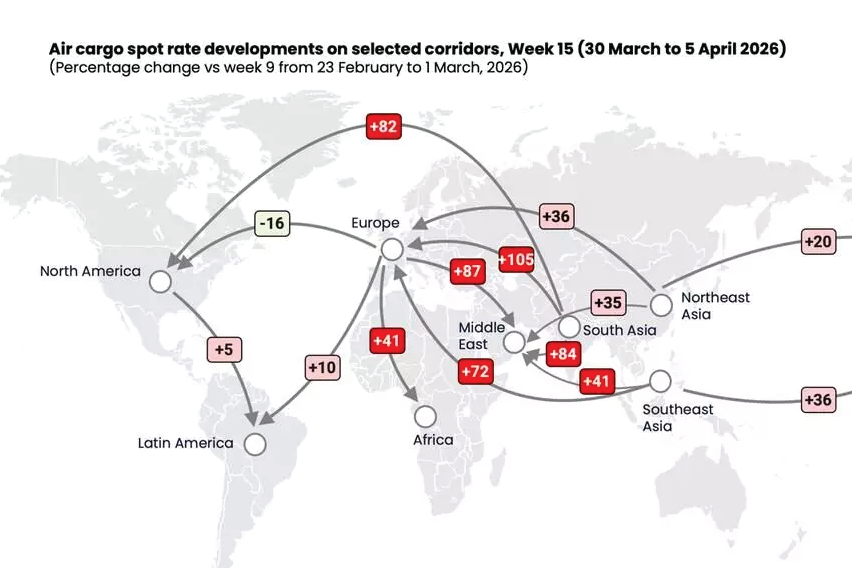
Air freight rate levels from India to the Middle East have begun to moderate as airline schedules regain some normality, according to industry sources.
The US-Iran ceasefire offers near-term relief for air freight, but full recovery on Middle East routes remains one to two months away
The International Monetary Fund has released a sobering assessment of the global economic and financial stability outlook as conflict in the Middle East spikes energy prices...
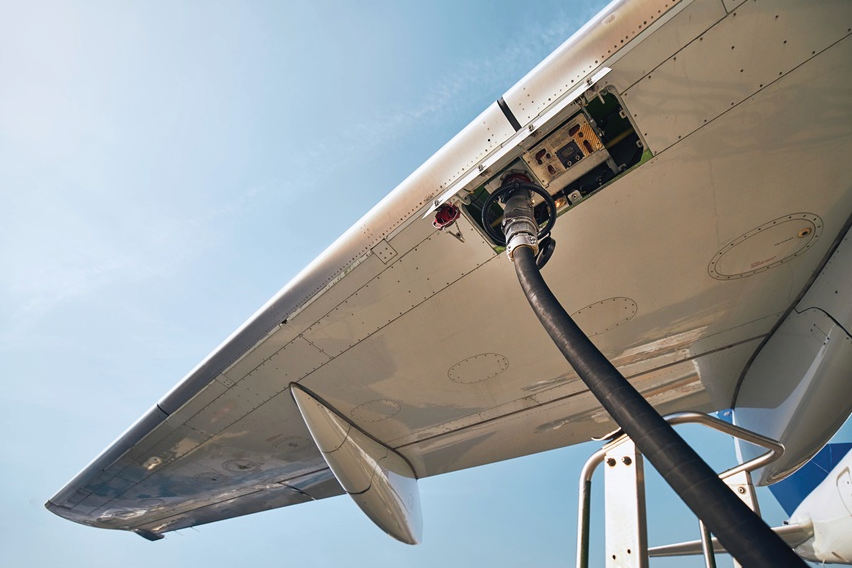
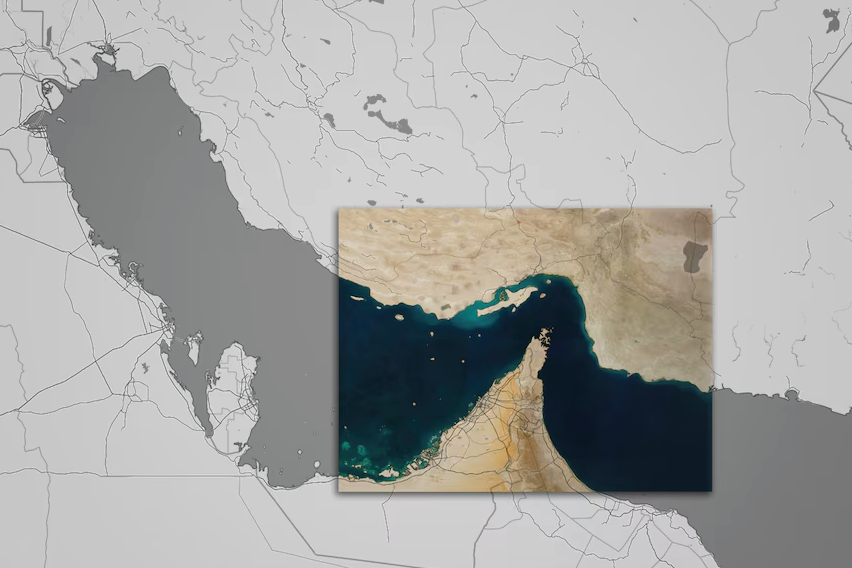
European Union airports could start running out of jet fuel in the coming weeks unless the Strait of Hormuz opens soon.
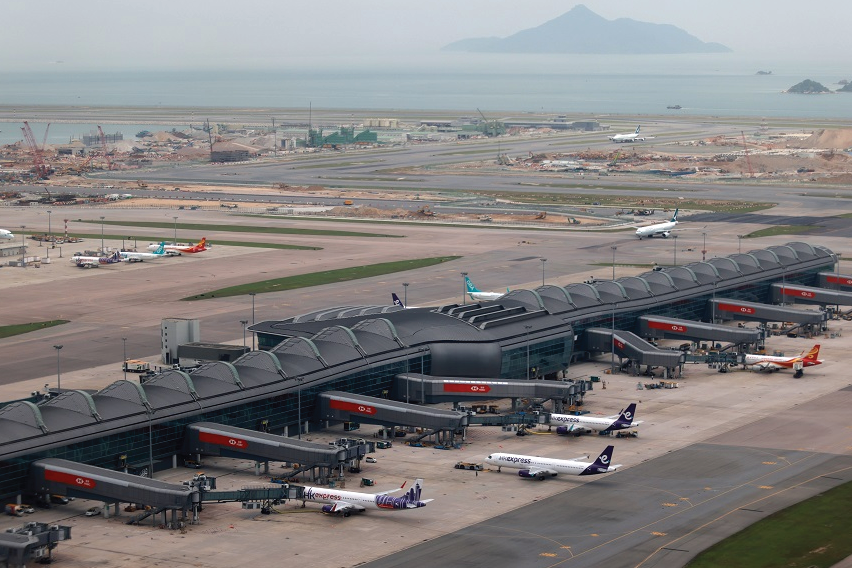
Hong Kong International (HKG) has been named the busiest cargo airport in the world once again by Airports Council International (ACI).

For an industry historically optimised for speed and direct connectivity, the recalibration under way reflects a growing emphasis on resilience, redundancy and network flexibility.
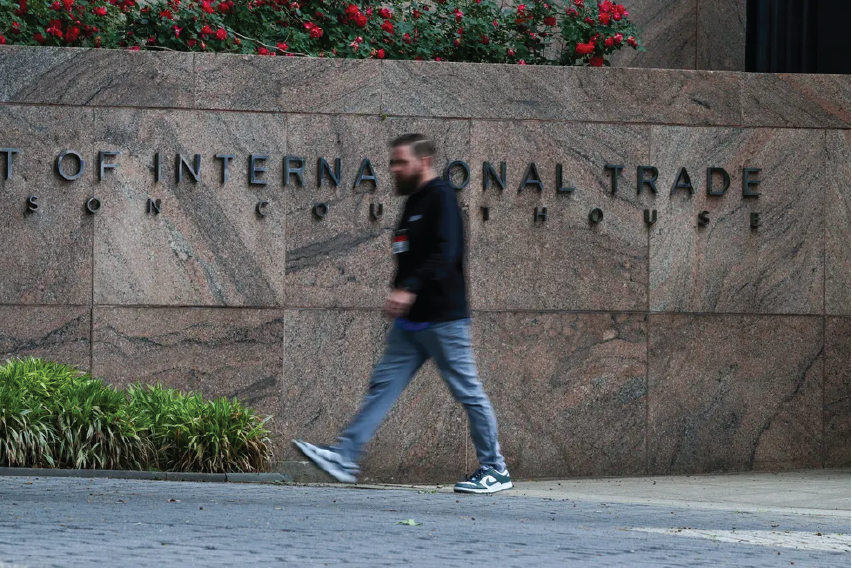
The system will go live at 8 a.m. EDT to begin the electronic returns process for an estimated $127 billion in tariffs, the agency said Tuesday.

 ALS
ALS