


The legal battle over US tariffs has entered uncharted territory, leaving importers navigating a landscape defined as much by uncertainty as by policy. While the Supreme Court recently ruled a major tariff unconstitutional, it stopped short of addressing one of the most pressing questions for businesses: refunds.
What this really means for importers
Right now:
By declining to rule on refunds and sending the case back to a lower court without specific instructions, the Supreme Court has effectively left the issue unresolved. According to Ben Bidwell, Senior Director for Customs, this ambiguity is creating significant complexity for importers.
“With the Supreme Court not addressing refunds in its decision and sending the case to a lower court without instructions, no one should make any assumptions about refunds,” Bidwell explains.
“What we do know is the Court of International Trade has jurisdiction in trade matters and under normal circumstances has the authority to take certain steps like suspending deadlines that have already passed for companies to file a protest of their tariffs or file for refunds. But these aren’t normal circumstances.”
The stakes are substantial. This marks the first time a tariff has been declared unconstitutional with such a significant amount of money involved. Whether the Court of International Trade will suspend deadlines, open the door for widespread refunds, or limit eligibility to a subset of companies remains unclear. “There are still a lot of questions about whether the Court of International Trade will take steps opening the door for widespread refunds, for some companies to get some refunds or whether refunds are even on the table,” Bidwell adds.
In the meantime, importers cannot afford to remain passive. While the legal process unfolds, companies must take proactive steps to preserve their rights. “We’re advising our customers what they can do to potentially preserve their rights to at least some refunds and how they should be thinking about their supply chain strategy in light of the tariffs that were struck down,” Bidwell says.
Critically, the Supreme Court ruling does not necessarily signal long-term tariff relief. The administration has already indicated it will pursue alternative legal avenues to impose tariffs and acted within hours of the decision. As a result, sourcing and manufacturing strategies should not be revised based solely on the ruling.
“The most important thing we’re telling our customers is that the Supreme Court ruling doesn’t necessarily change their tariff exposure in the long run or change where they should be buying or manufacturing,” Bidwell notes. Instead, companies should develop structured sourcing hierarchies that consider tariffs alongside freight costs, geopolitical risk, supply chain design, business continuity and overall landed cost. “It’s a much smarter way to ensure your supply chain flexes instead of breaks when any link in the chain changes.”
Source: https://aircargoweek.com/how-importers-can-protect-their-rights-amid-tariff-chaos/
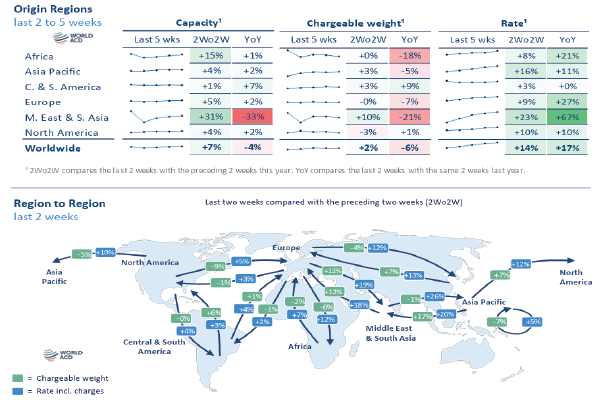
Even though the rebound in global airfreight traffic slowed, pricing continued to rise further, indicating that the price of jet fuel is replacing capacity constraints as...
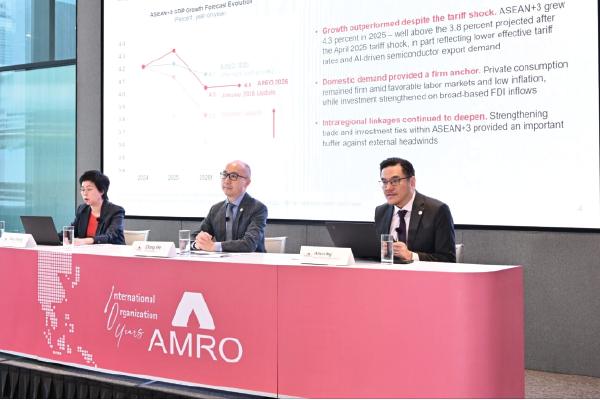
ASEAN+3 is currently the world's largest market, accounting for 28% of total global final demand.

With logistics costs rising by 20% and maritime insurance premiums soaring past the 50% threshold, the region is facing inflationary pressure and a serious risk of essential...

Data is one of the most valuable assets in modern trade, and it must be protected accordingly. With this signable Charter, FIATA is sending a clear signal: responsible data...
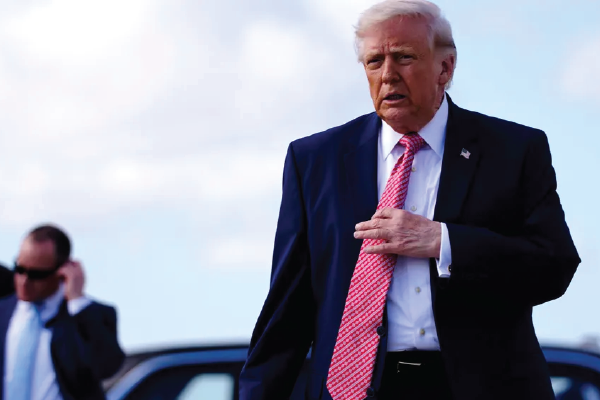
Goods made entirely of the metals will still face a 50% tariff, but the levy will be reduced to 25% for certain derivative goods, effective April 6.

The airfreight market across Asia is facing rising pressure as prices rise, fuel surcharges are rolled out and capacity continues to tighten as a result of the conflict in...
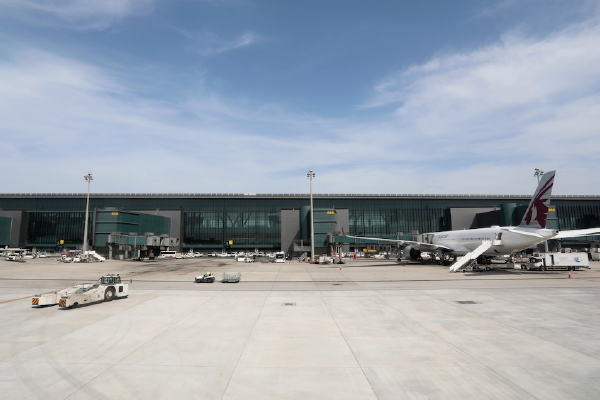
Research from Aevean has highlighted the airports most affected by changes in cargo capacity as a result of the Middle East conflict.
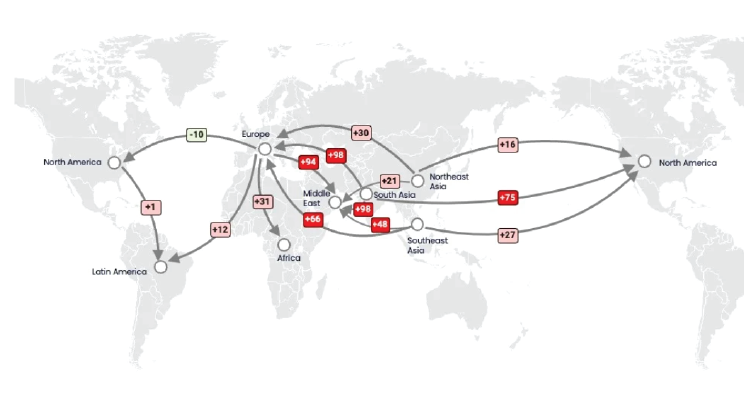
Resilience of the global air freight market is tested once again as conflict in Middle East places a further question mark against already low growth expectations for 2026.
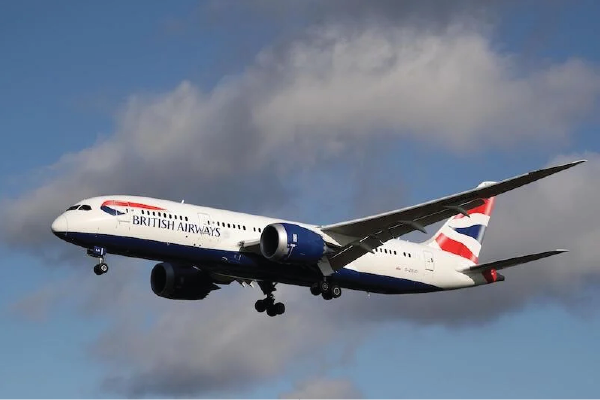
April will see several long-haul route launches as the summer 2026 season gets underway

April is shaping up to be a cost-driven freight market, not a broad demand-driven one.

 ALS
ALS