


Global air cargo volumes fell for a second consecutive week in mid-August, while reduced capacity and higher fuel costs helped keep freight rates broadly stable.
According to the latest WorldACD data, global chargeable weight declined by 5% week on week in week 33, covering 10 to 16 August. The decline followed a 2% drop in the previous week.
All major origin regions recorded lower volumes except Central and South America (CSA), where chargeable weight increased by 2%, helped by stronger flower exports.
Europe and Asia Pacific recorded the largest falls, with volumes down 6% each. Africa declined 5%, while Middle East and South Asia (MESA) and North America both fell 4%.
On a two-week comparison, global chargeable weight was down 4%, with most major trade lanes recording declines.
Despite the recent weakness, volumes remained 3% higher than the same week in 2025, with year-on-year increases ranging from 1% in Africa and Asia Pacific to 6% excluding MESA.
Asia-US and Asia-Europe cargo flows diverge
The latest figures highlight a growing gap between air cargo traffic from Asia Pacific to the US and Europe.
Asia Pacific chargeable weight to the US fell 4% week on week, following a 3% decline in the previous week.
Japan recorded the sharpest fall, with US-bound tonnage plunging 33%. WorldACD attributed the decline to Japan’s Obon holiday period and Tropical Storm Chan-Hom, which contributed to flight cancellations at Tokyo’s Haneda and Narita airports.
South Korea was the only major Asia Pacific origin to record growth to the US, with volumes rising 12%. Vietnam was flat, while most other markets declined.
Shipments from Asia Pacific to Europe fell 5% week on week, with Japanese volumes down 53%.
The decline to Europe extends a prolonged period of weak growth. Volumes have fallen or remained flat almost every week since late June.
The contrast with the US market is particularly significant on a year-on-year basis. Asia-Europe chargeable weight was down 14% in week 33, while traffic from Asia Pacific to the US increased 14%.
WorldACD said the divergence was partly linked to weaker e-commerce flows from Hong Kong and China to Europe following the end of the European Union’s de minimis exemption.
By contrast, strong demand linked to artificial intelligence technology is supporting air cargo flows between Asia and the US.
MESA exports also show contrasting trends
Air cargo volumes from the Middle East and South Asia to Europe fell 3% week on week.
A 12% increase from Dubai was outweighed by declines from Bangladesh, Sri Lanka and India.
Shipments from MESA to the US performed even worse, falling 13%, with volumes from Bangladesh down 29% and India down 13%.
However, the year-on-year picture remained more positive for the US market. MESA-to-US tonnage was up 16%, driven by a 29% increase from India.
Traffic from MESA to Europe was down 5% year on year, with most major origins recording double-digit declines apart from India, where volumes increased 12%.
Reduced capacity supports air freight rates
Despite weaker demand across many major routes, average air cargo pricing remained largely unchanged.
WorldACD reported an average rate of US$2.97 per kg, compared with $2.96 the previous week. Rates were also broadly flat over a two-week period.
Higher aviation fuel prices and reduced capacity helped offset the impact of falling cargo volumes.
Global capacity fell 1% week on week, marking the second consecutive weekly decline and the third reduction in the past four weeks.
Capacity from Asia Pacific fell 2%, while Europe, North America and CSA each recorded a 1% decline. MESA and Africa were exceptions, with capacity increasing by 2% and 1% respectively.
Average pricing rose 1% from Europe and 2% from both Africa and Asia Pacific, while rates from North America and MESA fell 2%.
On a year-on-year basis, rates were higher across all major origin regions, with increases ranging from 18% to 23%. MESA recorded a much larger 47% rise, while CSA was up 8%.
Asia-US spot rates increased 1% week on week, while Asia-Europe pricing was broadly unchanged.
MESA spot rates fell 1% to the US and 2% to Europe. Despite the weekly decline, rates from MESA remained significantly higher than a year earlier, up 56% to the US and 54% to Europe.
Air cargo market remains volatile
WorldACD said the latest two weeks showed similarities with the same period last year, when cargo volumes declined by mid-single digits, capacity remained relatively stable and prices edged higher.
If the pattern is repeated, global air cargo volumes could recover in week 34.
However, the market remains vulnerable to changes in fuel prices, capacity, weather disruption, geopolitical developments and shifting trade flows.
The continued strength of Asia-US traffic, particularly in technology-related cargo, contrasts sharply with weaker Asia-Europe demand and highlights the increasingly uneven nature of the global air freight market.
Source: https://caasint.com/global-air-cargo-volumes-fall-5-as-capacity-tightens-and-fuel-costs-rise/

Việt Nam’s semiconductor exports grew at a compounded annual rate of 31.8 per cent between 2006 and 2025, while imports grew by 30 per cent a year during the same period.

Airfreight rates appear strong as the peak season draws near, with year-on-year gains on transpacific lanes robust while Asia-Europe rates start to recover following the end...
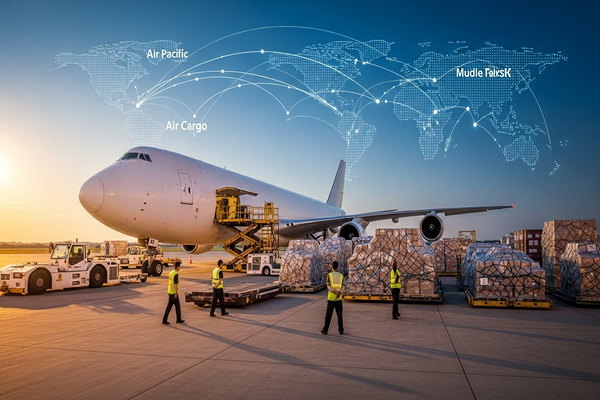
Data-centre investment is reshaping trade flows and putting new pressure on the industry's capacity balance, with hi-tech now the main engine of air cargo growth, according...
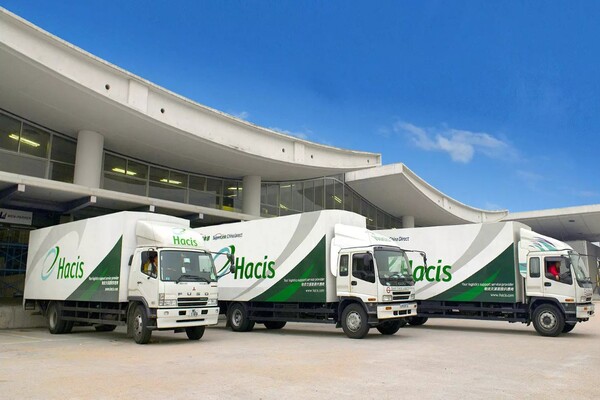
Building on the pilot shipment from Hanoi, Hacis is developing its Vietnam–Hong Kong road feeder service to offer exporters greater routing flexibility and access to Hong...
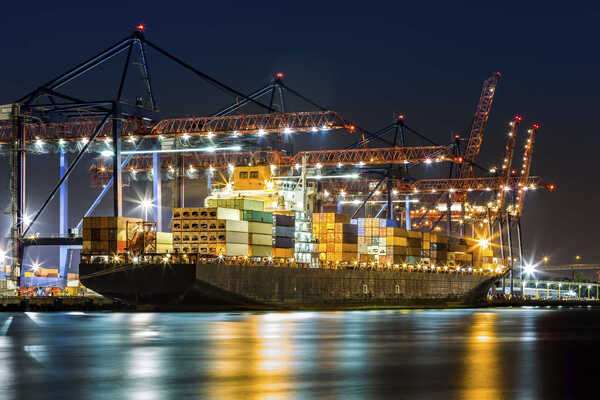
Container spot freight rates on Asia–Europe routes have rebounded after three consecutive months of decline, ahead of new Freight All Kinds (FAK) rate increases scheduled...
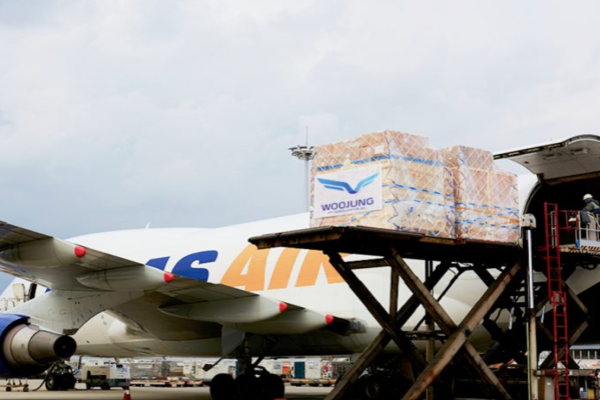
Samsung SDS is expanding its airfreight operations through the acquisition of South Korean cargo consolidator Woojung Air. The deal will strengthen Samsung SDS’s access to...
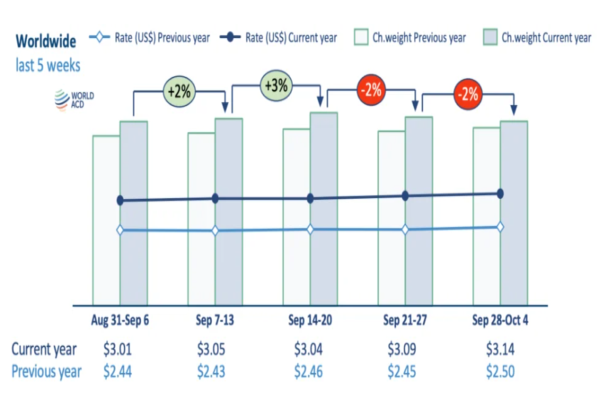
Worldwide air cargo tonnages bounced back strongly in September following their August lull, with volumes rising +3% compared with the previous month and growing +9%, year...

The rapid growth in demand for artificial intelligence (AI-related) goods that has consumed air cargo capacity out of Asia has also helped insulate global trade against tariffs...

Samsung SDS – the IT solutions and logistics arm of Samsung – is expanding its presence in air cargo through the acquisition of Korean airfreight consolidator Woojung Air...
Geopolitical uncertainty and digital transformation are reshaping global logistics, making supply chain resilience a strategic priority. FIATA emphasises the need for diversified...

 ALS
ALS