


Air cargo rates from China to the United States climbed 30 per cent year-on-year ahead of the peak shipping rush, driven by steady semiconductor and e-commerce shipments.
By contrast, rates on the China-to-Europe corridor rose 12 per cent over the same period, slowed by the European Union ending its de minimis tax exemption on July
The price split reflects an uneven recovery across Asian export corridors. While air space out of Taiwan remains tight on artificial intelligence hardware, and outbound demand from South Korea, Malaysia and Singapore holds firm, outbound volumes from mainland China and Hong Kong have cooled. Pricing data from the TAC Index shows transpacific air freight maintaining a sharp premium, supported by technology shipments alongside higher jet fuel expenses caused by Persian Gulf shipping disruptions.
Ground Bottlenecks and Route Shifts
Airlines and forwarders face wide gaps in aircraft fill rates across the region. Dedicated freighter aircraft operate at roughly 65 per cent average load factors, compared with only 36 per cent for passenger aircraft belly hold space, according to IATA figures cited in the Journal of the Air Transport Research Society.
Freight forwarder Dimerco Express Group noted that cross-border shippers altered transport modes to bypass tight air lanes, diverting freight between China, Vietnam and Thailand onto road networks and utilizing rail corridors into Europe. Early tariff front-loading by retail importers also pulled seasonal volumes forward into earlier quarters.
Capacity limits on the ground often matter more than available aircraft. At regional transshipment hubs such as the Maldives’ Velana International Airport, which handled nearly 89,000 tonnes of cargo in 2025, warehouse throughput and labor deployment govern holiday processing speeds rather than runway slots.
Shifting Asian Supply Chain Flows
For consumer brands and electronics manufacturers across Asia, these fragmented lane dynamics mean freight procurement can no longer rely on broad regional averages. Shippers managing supply chains out of Taipei or Penang face sustained space premiums that do not match the softer spot rates available out of southern Chinese export hubs.
Carriers are adjusting winter flight schedules to manage the uneven demand. Velana International Airport expects flight movements to rise 12 per cent during the 2026/27 winter schedule, supported by new scheduled freighter operations including Raya Airways’ weekly service from Penang.
What this means
The stark divergence in air cargo rates shows a fragmented global retail supply chain. While Transpacific rates escalate due to tech and e-commerce demand, Europe's slower growth, partly from July 1 tax changes, highlights differing market dynamics. Retailers, accustomed to using China's vast capacity, must now navigate sustained premiums from Taiwan and South Korea, unlike the softer rates from southern Chinese hubs. This environment pressures brands relying on just-in-time inventory, forcing them to re-evaluate sourcing locations or absorb higher transport costs. The situation echoes the strategic market adjustments seen with Louis Vuitton’s store reduction or Alo Yoga’s direct Tmall partnership in China, albeit in a logistics context. Watch for Q4 carrier financial reports detailing freight revenue by corridor.
Source: https://retailnews.asia/asia-air-cargo-rates-diverge-as-transpacific-prices-surge-30-percent

Việt Nam’s semiconductor exports grew at a compounded annual rate of 31.8 per cent between 2006 and 2025, while imports grew by 30 per cent a year during the same period.

Airfreight rates appear strong as the peak season draws near, with year-on-year gains on transpacific lanes robust while Asia-Europe rates start to recover following the end...
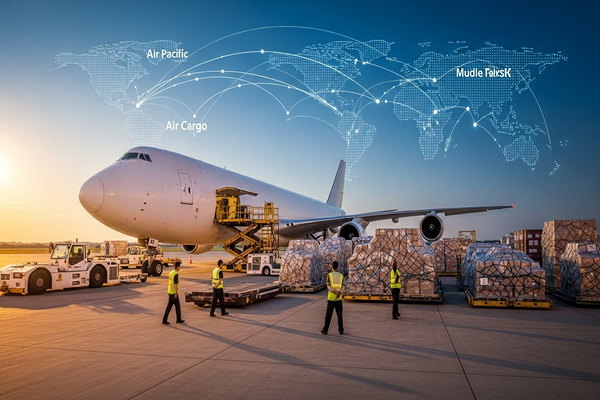
Data-centre investment is reshaping trade flows and putting new pressure on the industry's capacity balance, with hi-tech now the main engine of air cargo growth, according...
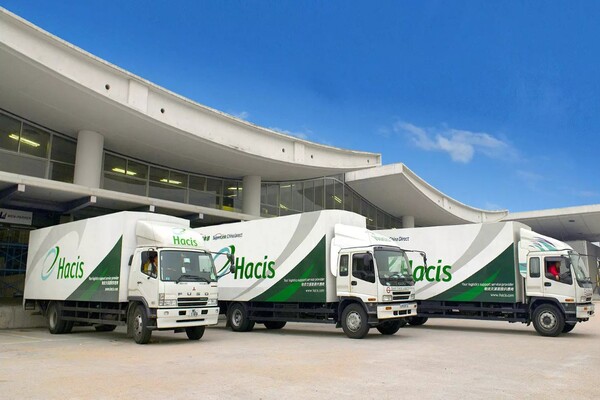
Building on the pilot shipment from Hanoi, Hacis is developing its Vietnam–Hong Kong road feeder service to offer exporters greater routing flexibility and access to Hong...
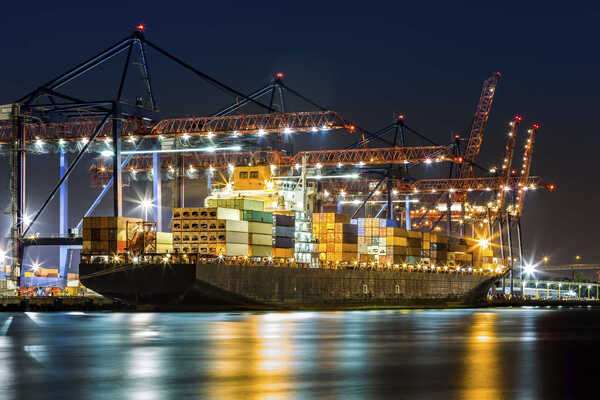
Container spot freight rates on Asia–Europe routes have rebounded after three consecutive months of decline, ahead of new Freight All Kinds (FAK) rate increases scheduled...
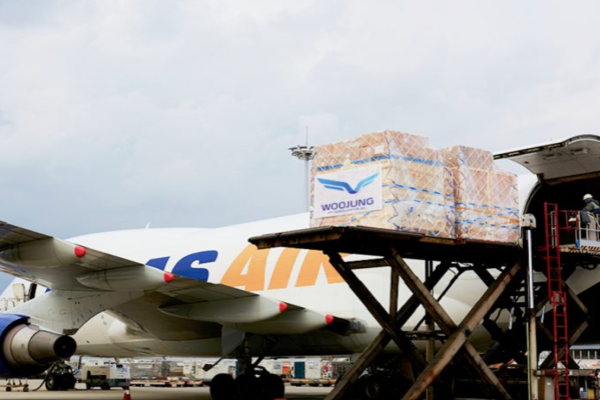
Samsung SDS is expanding its airfreight operations through the acquisition of South Korean cargo consolidator Woojung Air. The deal will strengthen Samsung SDS’s access to...
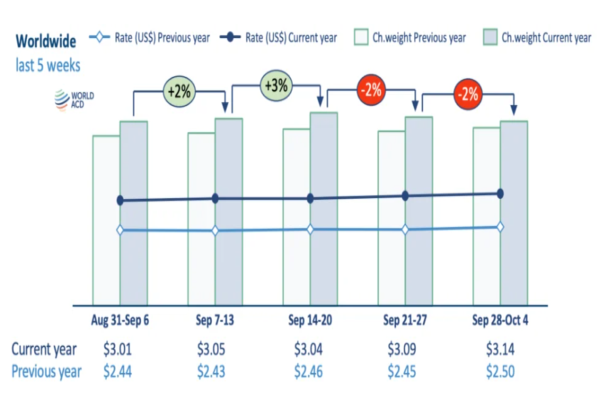
Worldwide air cargo tonnages bounced back strongly in September following their August lull, with volumes rising +3% compared with the previous month and growing +9%, year...

The rapid growth in demand for artificial intelligence (AI-related) goods that has consumed air cargo capacity out of Asia has also helped insulate global trade against tariffs...

Samsung SDS – the IT solutions and logistics arm of Samsung – is expanding its presence in air cargo through the acquisition of Korean airfreight consolidator Woojung Air...

Geopolitical uncertainty and digital transformation are reshaping global logistics, making supply chain resilience a strategic priority. FIATA emphasises the need for diversified...

 ALS
ALS