


The world’s biggest air cargo handler has reported surging revenues on the back of US companies transporting machinery and materials to the Middle East to help rebuild energy infrastructure damaged by the Iran war.
Singapore-based SATS has been buoyed by growth in shipments by energy companies from Houston and Dallas to reconstruct and maintain pipelines damaged by Iranian bombs in the Middle East.
“The last few months we have seen a huge increase in charters out of the US, which is a direct impact of the Middle East war,” chief executive Kerry Mok told the FT, adding that it had chartered as many as 50 flights a week. “We are benefiting from this shift.”
SATS’s role in moving cargo gives it a unique vantage point on how trade patterns and supply chains have been redrawn in recent years by US tariffs and disruption in the Middle East. It has been a big beneficiary of companies switching from ocean to air freight to cut delivery time.
“Supply chain folks will always find the path of least resistance and they will go to places where it allows them to move their goods and products fast and efficiently,” said Mok.
SATS reported an 11.3 per cent rise in revenues in the quarter to the end of June compared with the same period last year. The Americas, its largest region by revenue, increased 15.4 per cent. The company said this was underpinned by strong demand for high-value, time-sensitive shipments.
Over the same period, SATS’s net profits increased by 6 per cent to S$75mn ($59mn). But it also experienced higher costs due to flight disruption and energy-related inflation, resulting in a tighter profit margin.
Originally a subsidiary of flag carrier Singapore Airlines, SATS was spun off in 2009. Mok became chief executive in 2021 and two years later oversaw the €1.3bn acquisition of Paris-based Worldwide Flight Services, which cemented its position as the world’s biggest air cargo handler.
Based next to Singapore’s Changi Airport, the business employs 57,000 people globally and operates in 27 countries.
Mok said SATS was also profiting from the global AI boom as tech companies opted for air freight over shipping to transport equipment for data centres.
“If you are building data centres, you are committed to a timeline — it is time-critical and you need to move it quickly,” he said. “We are seeing server racks, storage systems and [graphics processing units] all being shipped by air.”
Tech companies are expected to pour $7tn into data centres by 2030. Carriers, including Korean Air and Japan Airlines, have also reported surging cargo revenues on the back of demand to transport AI chips and data centre supplies.
“This whole AI infrastructure investment is a big tailwind for us,” said Mok.
Source: https://www.ft.com/content/a8207f0e-9e1c-4d41-a3e0-a96587bad3a6?syn-25a6b1a6=1
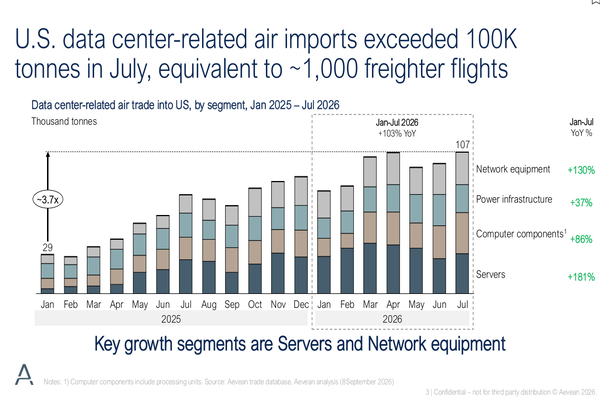
E-commerce and AI data centre-related volumes have been fuelling air cargo demand growth over recent years, but the performance of the two verticals has increasingly diverged...
New Delhi Declaration welcomes urban mobility hub and logistics framework; railway research network proposed
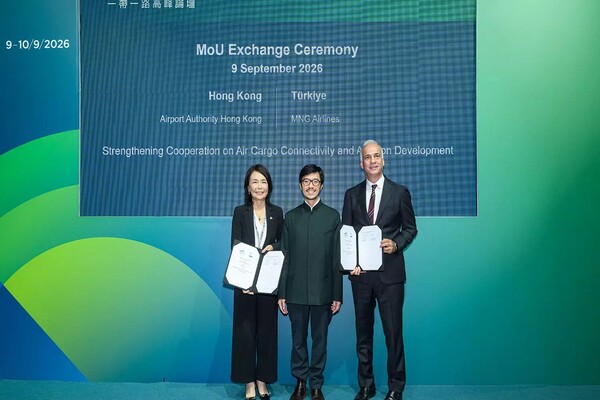
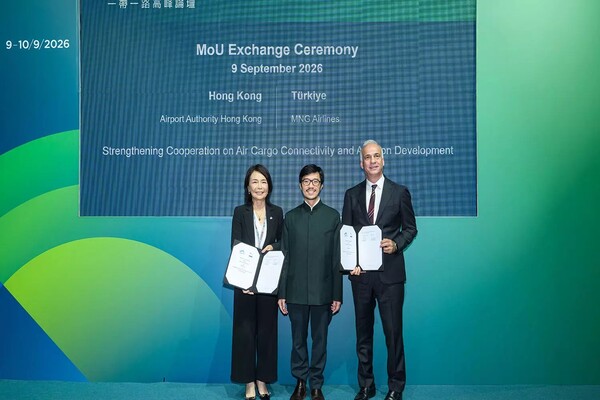
Hong Kong International Airport has signed major agreements with MNG Airlines and Harvest Epoch to expand regional freight and airport development
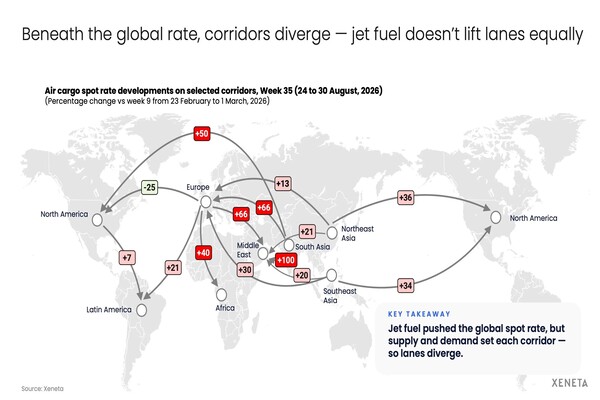
Global air cargo demand remained strong in August, with volumes up +6% year-on-year, meaning shippers must wait a little longer to see a bigger drop in still-elevated freight...
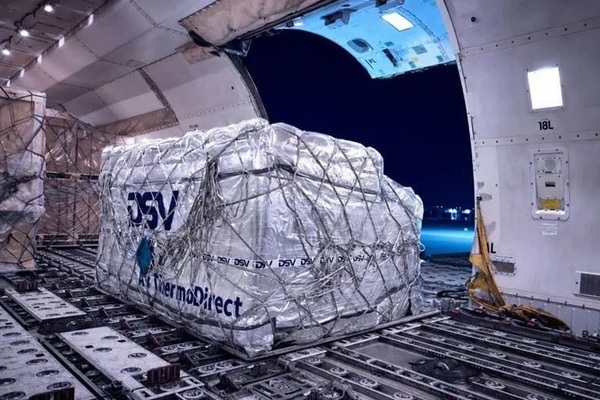
The pharma service is offered on multiple departures on dedicated freighter aircraft, with DSV controlling the scheduling, routing, and cargo handling to ensure greater reliability.
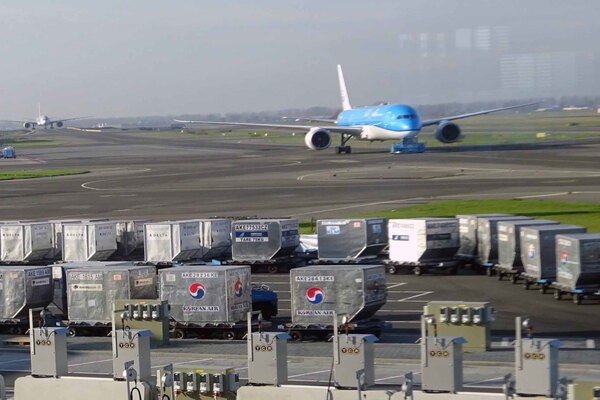
Air freight enters the traditional peak-season build-up with a finely balanced market, as capacity reductions and resilient pricing create the potential for rapid tightening...
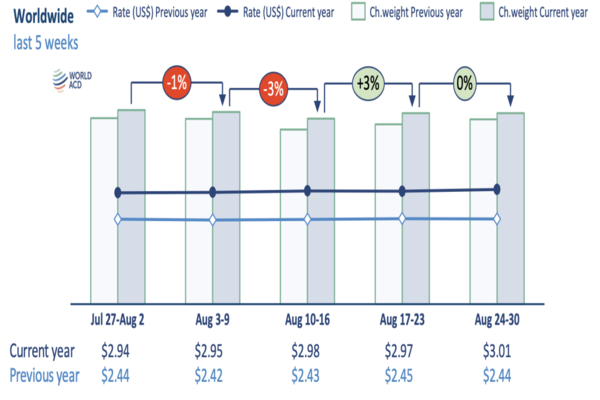
Worldwide air cargo tonnages increased in August +5 percent compared to the same month last year, according to the latest figures from WorldACD Market Data.
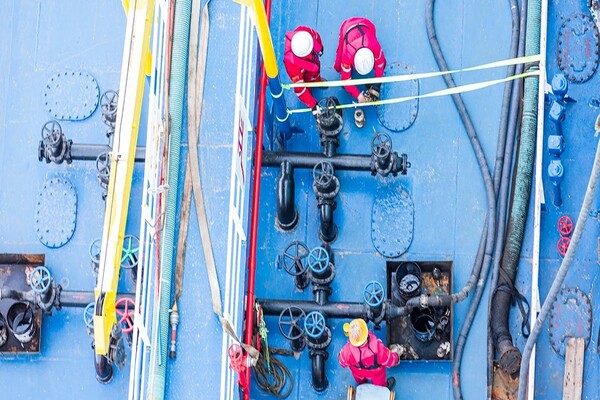
AS SHIPPING accelerates its transition towards lower and zero greenhouse gas fuels, the industry is entering one of the most significant periods of operational change in its...
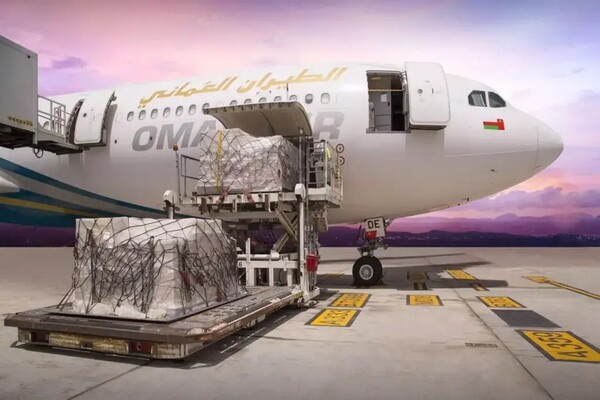
Air cargo rates from China to the United States climbed 30 per cent year-on-year ahead of the peak shipping rush, driven by steady semiconductor and e-commerce shipments.

 ALS
ALS