


The UK government’s Jet Zero Strategy sets out a pathway to reach net zero for the airfreight sector by 2050, using key levers such as the Sustainable Aviation Fuel (SAF) Mandate and focused investment.
At the beginning of the year, £43m was announced for green aviation projects, focusing on research and development to support zero-emission aircraft, whilst most recently, the government announced a £219m low carbon fuels fund (LCCF) to scale up SAF production.
SAF is the most viable method for decarbonising airfreight in the short term, offering lifecycle carbon reductions 70% lower than kerosene, but adoption is currently constrained by supply, high costs compared to conventional fuel and infrastructure.
The feedstocks required for SAF are the same as those required for road and maritime operations, and while low carbon fuel (LCF) alternatives are viable for all modes, uncertainty about how supply will be made available to air operators (as well as those working in road or maritime operations) is risking uptake, at a time when the UK needs an urgent assurance in supply to meet decarbonisation targets.
To combat this, the government must adopt a coordinated, whole-system approach, one that takes into account the needs of multimodal logistics and plans accordingly.
Expand UK production
Common feedstocks for LCFs, such as used cooking oil, agricultural residues and waste oils are already in short supply relative to demand.
Sustainable Aviation’s SAF Roadmap highlights that current global capacity falls short of 2030 targets by almost four million tonnes, an issue that is exacerbated by the UK’s limited domestic production options and dependency on overseas fuels.
The UK imports around 70% of the liquid biofuels it uses for transport, leaving it susceptible to supply chain shocks, as observed during the 2022 energy crisis and the ongoing conflict in the Middle East.
Planning processes need to be modernised, and the deployment of alternative fuel infrastructure needs to be prioritised, to streamline approvals for refuelling and recharging infrastructure, as well as vital grid connections.
Planning and policy decisions made about infrastructure development and expansion need to consider the UK logistics network as a whole. Not doing so runs the risk of creating regional inequalities, patchwork regulation and bottlenecks.
Align regulation
Although the government has implemented the SAF Mandate alongside the LCFF and a revenue certainty mechanism to attract investment, the impacts of this will remain constrained while regulation remains unaligned.
The UK SAF Mandate defines eligible fuels based on lifecycle greenhouse gas (GHG) reduction thresholds (a minimum of 40%), sustainability criteria and limits on feedstocks, while in the US, SAF policies refer to different lifecycle assessment methods and allow for a wider range of feedstocks. This means that SAF blends produced in the US do not meet UK criteria.
The EU’s ReFuelEu Aviation regulation contributes to further confusion, introducing another framework with binding SAF blending mandates, and creating a challenging environment for airlines operating global routes and SAF producers looking for global markets. Without alignment, adoption of SAF will remain restricted.
The pace and scale of decarbonisation across the aviation sector will depend on a whole-system approach, not aviation only.
Persistent questions about limited LCF supply and how its production can be upweighted to meet the demands of different modes is challenging uptake, which the government must address by increasing domestic production through reformation of the planning system and harmonisation of SAF regulation.
Source: https://www.aircargonews.net/insights/2026/08/decarbonising-airfreight-requires-whole-system-approach/
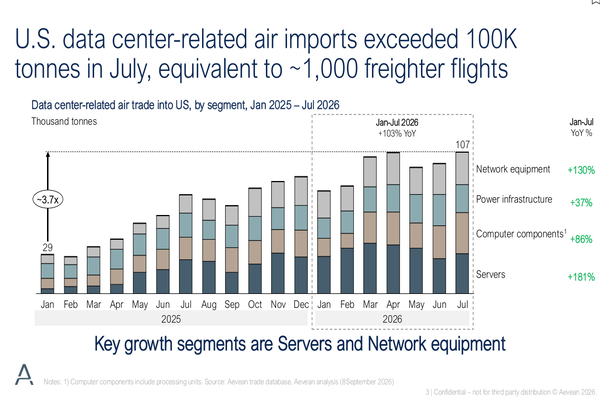
E-commerce and AI data centre-related volumes have been fuelling air cargo demand growth over recent years, but the performance of the two verticals has increasingly diverged...

New Delhi Declaration welcomes urban mobility hub and logistics framework; railway research network proposed

Hong Kong International Airport has signed major agreements with MNG Airlines and Harvest Epoch to expand regional freight and airport development
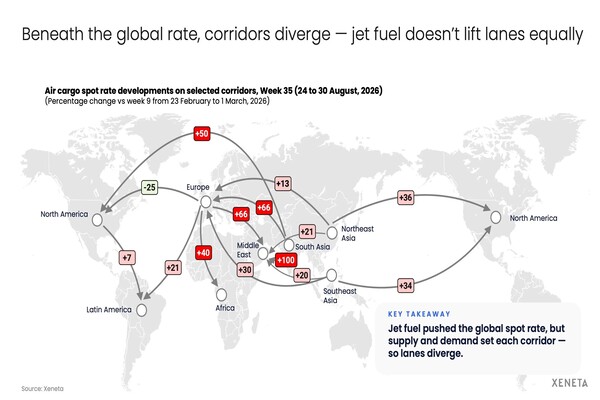
Global air cargo demand remained strong in August, with volumes up +6% year-on-year, meaning shippers must wait a little longer to see a bigger drop in still-elevated freight...
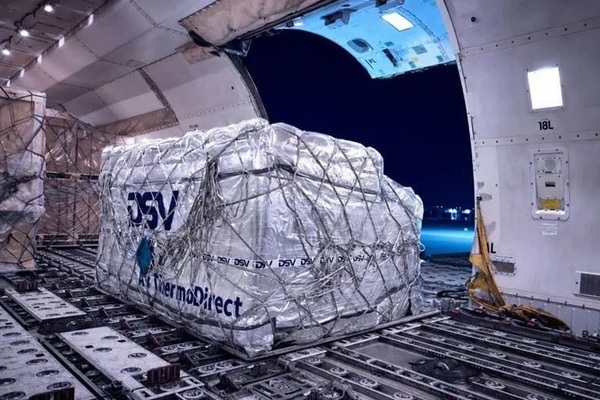
The pharma service is offered on multiple departures on dedicated freighter aircraft, with DSV controlling the scheduling, routing, and cargo handling to ensure greater reliability.
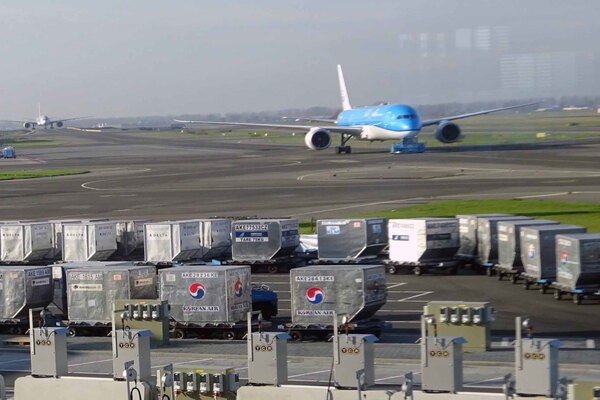
Air freight enters the traditional peak-season build-up with a finely balanced market, as capacity reductions and resilient pricing create the potential for rapid tightening...
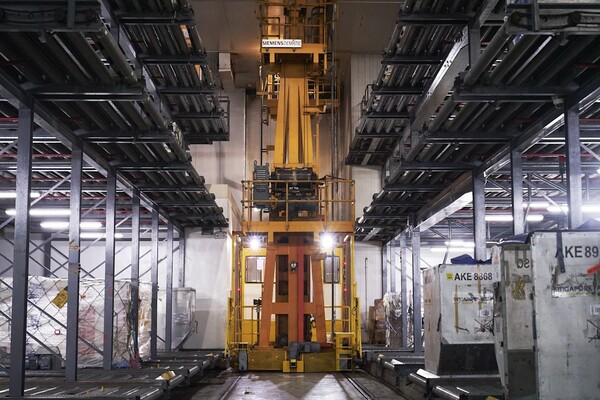
The world’s biggest air cargo handler has reported surging revenues on the back of US companies transporting machinery and materials to the Middle East to help rebuild energy...
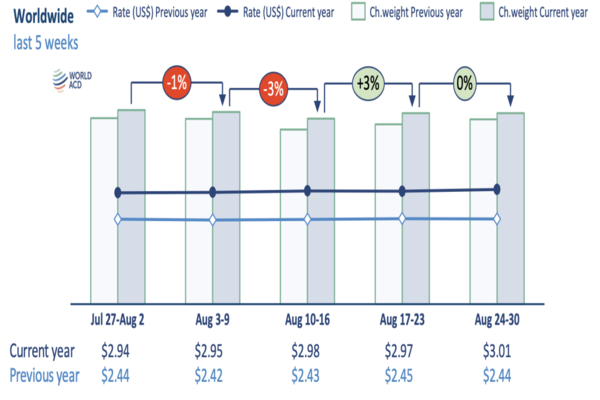
Worldwide air cargo tonnages increased in August +5 percent compared to the same month last year, according to the latest figures from WorldACD Market Data.
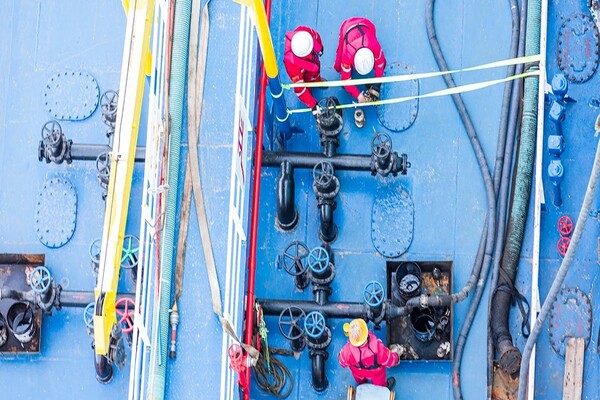
AS SHIPPING accelerates its transition towards lower and zero greenhouse gas fuels, the industry is entering one of the most significant periods of operational change in its...

Air cargo rates from China to the United States climbed 30 per cent year-on-year ahead of the peak shipping rush, driven by steady semiconductor and e-commerce shipments.

 ALS
ALS