


IATA released data for November 2024 global air cargo markets showing:
Total demand, measured in cargo tonne-kilometers (CTK), rose by 8.2% compared to November 2023 levels (9.5% for international operations) for a 16th consecutive month of growth.
Capacity, measured in available cargo tonne-kilometers (ACTK), increased by 4.6% compared to November 2023 (6.5% for international operations).
"It was a good November for air cargo with 8.2% demand growth nearly doubling the 4.6% growth in cargo capacity. Fuel costs tracked at 22% below previous-year levels and tight market conditions supported yield growth at 7.8%. All things considered we are looking to close out 2024 air cargo performance on a profitable note. While this strong performance is very likely to extend into 2025, there are some downside risks that must be carefully watched. These include inflation, geopolitical uncertainties and trade tensions,” said Willie Walsh, IATA’s Director General.
Several factors in the operating environment should be noted:
November Regional Performance
Trade Lane Growth: International routes experienced exceptional traffic levels for the 16th consecutive month with a 9.5% year-on-year increase in November. Airlines are benefiting from rising e-commerce demand in the US and Europe amid ongoing capacity limits in ocean shipping.
Source: https://www.iata.org/en/pressroom/2025-releases/2025-01-09-01/

Intra-Asia rates are receding from their recent highs as bottlenecks in major Chinese and other Asian ports subside.

According to third-quarter results released today, DSV posted group revenue of DKr80.7bn ($12.1bn), up 10.5% year on year, and an EBIT before special items of DKr6.6bn, up...
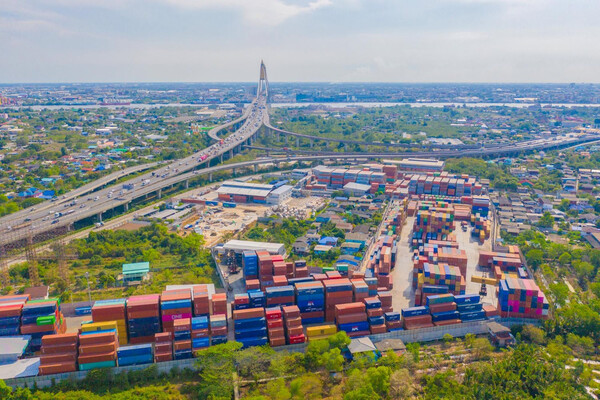
Logistics costs in Vietnam's southern economic region remain at 14-16% of GDP, well above the global average of 10.6%, as traffic congestion, fragmented transport networks...

The expanded agreement covers warehouse management, temperature-controlled storage at 2–8°C and tracked distribution to healthcare institutions across Türkiye.
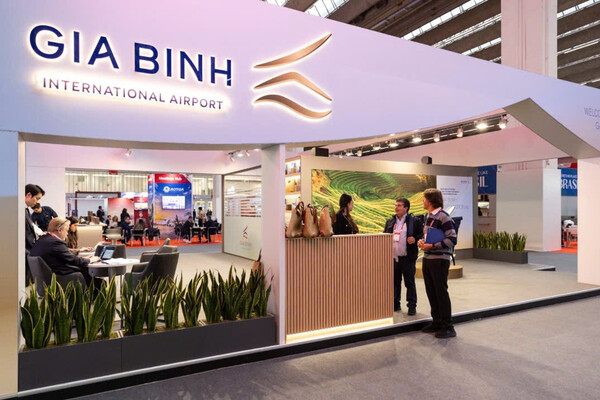
With over 30 meetings at Routes World 2026, Gia Binh International Airport (Gia Binh IA) aims to expand cooperation, develop its flight network, and affirm its role as a new...

Việt Nam’s semiconductor exports grew at a compounded annual rate of 31.8 per cent between 2006 and 2025, while imports grew by 30 per cent a year during the same period.

Airfreight rates appear strong as the peak season draws near, with year-on-year gains on transpacific lanes robust while Asia-Europe rates start to recover following the end...
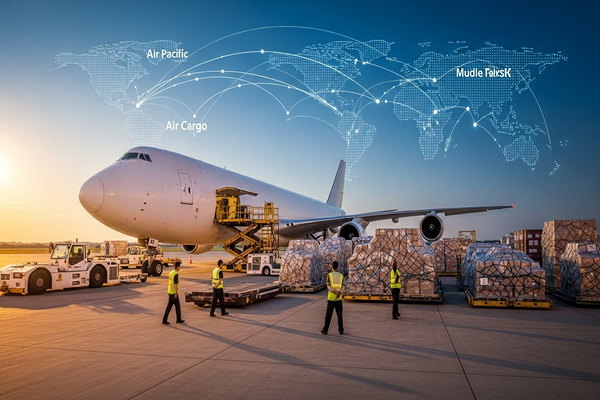
Data-centre investment is reshaping trade flows and putting new pressure on the industry's capacity balance, with hi-tech now the main engine of air cargo growth, according...
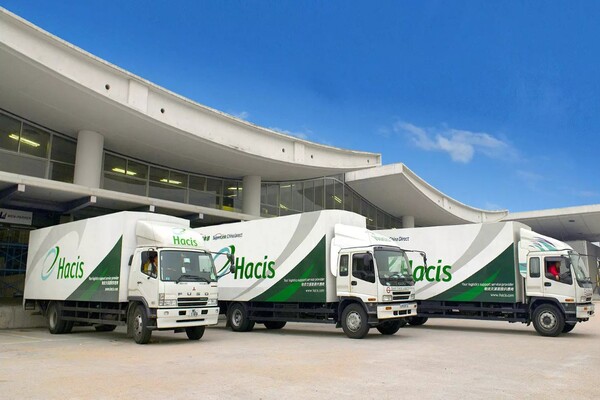
Building on the pilot shipment from Hanoi, Hacis is developing its Vietnam–Hong Kong road feeder service to offer exporters greater routing flexibility and access to Hong...

Container spot freight rates on Asia–Europe routes have rebounded after three consecutive months of decline, ahead of new Freight All Kinds (FAK) rate increases scheduled...

 ALS
ALS