


The Middle East has spent decades positioning itself as the world’s transfer hub. Dubai, Doha and Abu Dhabi sit at the intersection of virtually every long-haul corridor connecting Asia Pacific with Europe, Africa, North America and Latin America, and the carriers based there built their entire model around that geography. When that geography becomes a conflict zone, the consequences ripple outward fast and far. The latest IATA traffic data for March 2026 shows exactly how far.
Following the war in Iran and the wave of flight cancellations by Middle Eastern carriers that came with it, four of the world’s most heavily trafficked long-haul corridors were thrown into sudden disarray. Africa-Asia Pacific, Europe-Asia Pacific, Latin America and the Caribbean-Asia Pacific, and North America-Asia Pacific.
“The Middle East’s geographic position makes it a major global transfer hub, shaping traffic flows across many long haul corridors, particularly linking Asia Pacific with other regions,” said IATA’s representative.
All corridors that had grown structurally dependent on Middle Eastern hubs for connectivity, recorded sharp declines in Middle Eastern carrier traffic.
On the Africa-Asia Pacific corridor, Middle Eastern carriers recorded a decline of approximately 40 percent year-on-year. European carriers on the same corridor grew by roughly 83 percent.
African carriers by around 30 percent, and Asia Pacific carriers by approximately 13 percent.
Europe-Asia Pacific, the Middle East decline deepened to around 50 percent. Asia Pacific carriers offset some of that with growth of nearly 23 percent, while European carriers grew by approximately 15 per cent.
No other carrier region features significantly on this corridor.
The Latin America and Caribbean-Asia Pacific corridor shows a Middle East contraction of roughly 45 percent year-on-year. Asia Pacific carriers grew by approximately 50 per cent on this pairing, Latin American and Caribbean carriers by around 40 percent, and North American carriers by approximately 20 per cent.
The steepest Middle East decline appears on the North America-Asia Pacific corridor, where the drop reaches approximately 65 percent year-on-year. European carriers grew by around 20 per cent on this route, North American carriers by roughly 12 per cent, and Asia Pacific carriers by approximately 10 percent.
“Scheduling data also indicate that airlines outside the Middle East increased capacity to compensate for lost service from Middle Eastern carriers, but not enough to fully offset the decline. This pushed passenger load factors to record highs in March 2026, indicating tighter market conditions rather than full substitution,” mentioned in IATA.
Source: https://aircargoweek.com/what-the-iran-war-means-for-asia-pacific-air-corridors/
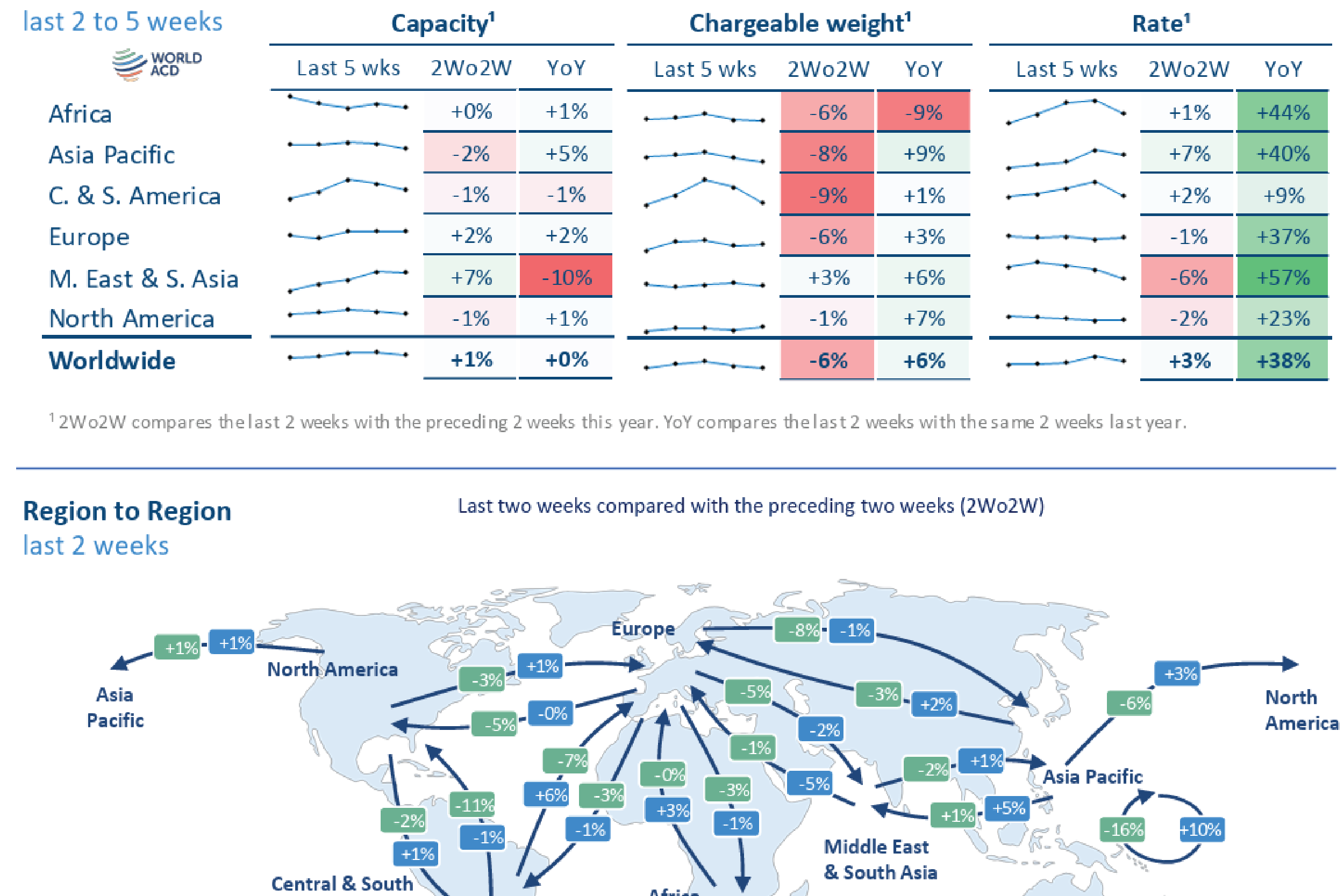
Volume from MESA dropped -5% WoW both to USA and Europe
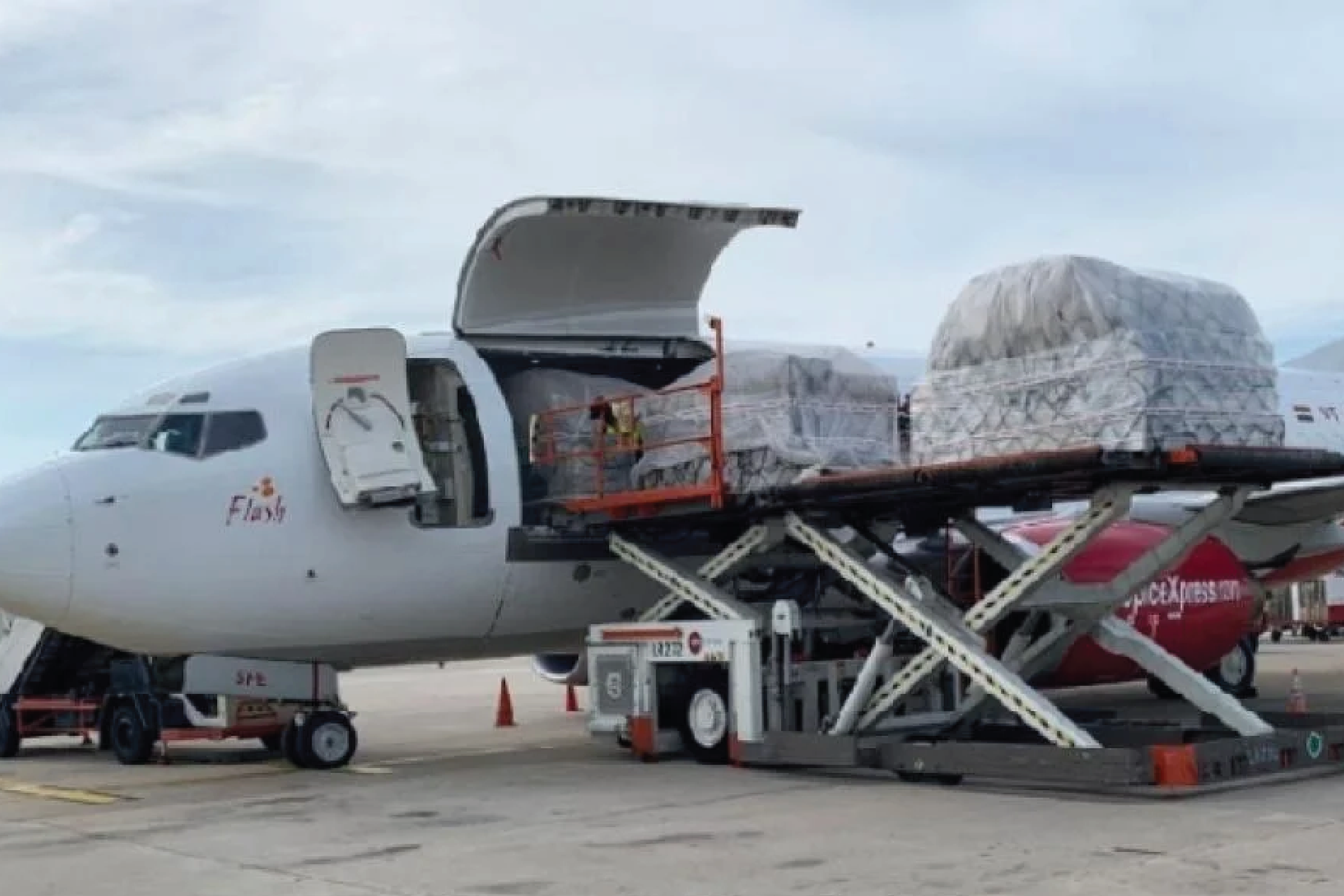
India’s air cargo sector has achieved a major milestone, handling a record 3.72 million metric tonnes (MMT) in FY2024-25
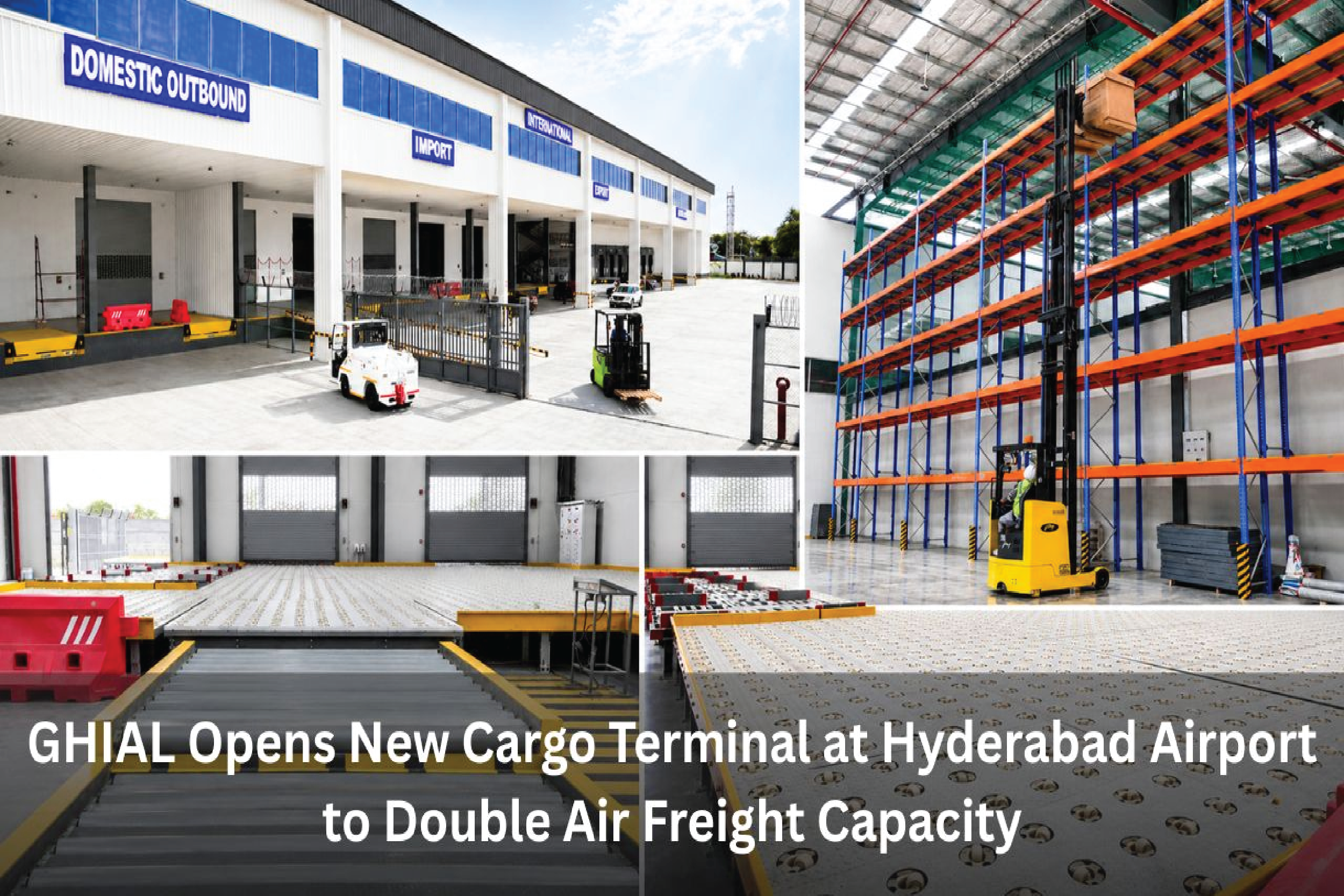
The new Cargo Terminal 2, inaugurated on May 18, spans 16,864 square metres and will initially handle around 50,000 metric tonnes of cargo annually

Carriers are already tightening container shipping capacity ahead of the peak season, with blanked sailings increasing and reports emerging of rolled cargo at some Far East...
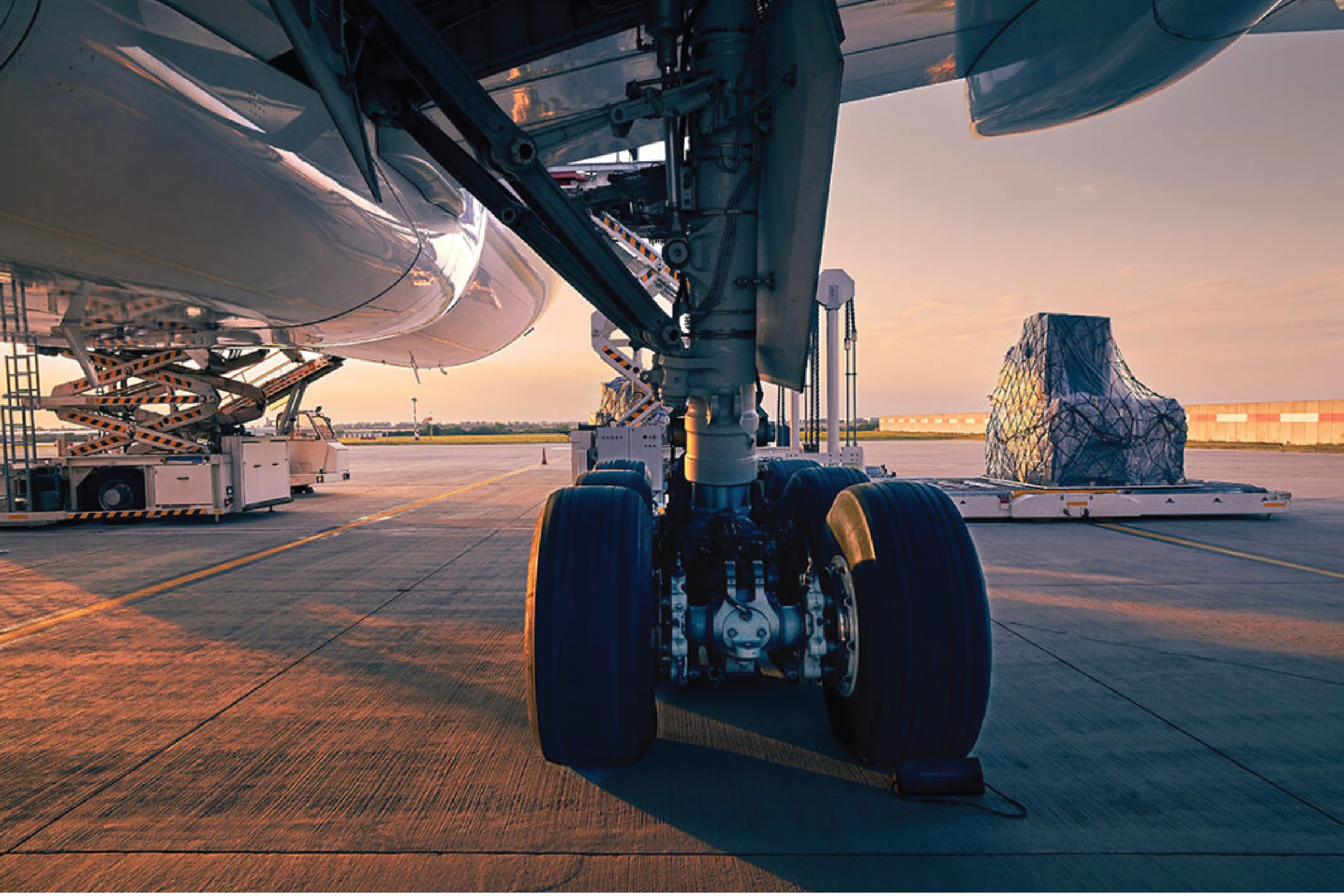
Importantly, resilience does not necessarily mean sacrificing efficiency. The most advanced supply chains are learning how to balance both.

Semiconductor experience shaping supply chain thinking

Tight effective capacity, high operating costs, and ongoing geopolitical uncertainty are expected to keep air cargo markets unstable through the coming months

The two countries will use the board to manage bilateral trade for certain goods, and they also aim to resolve some non-tariff barriers in agriculture.
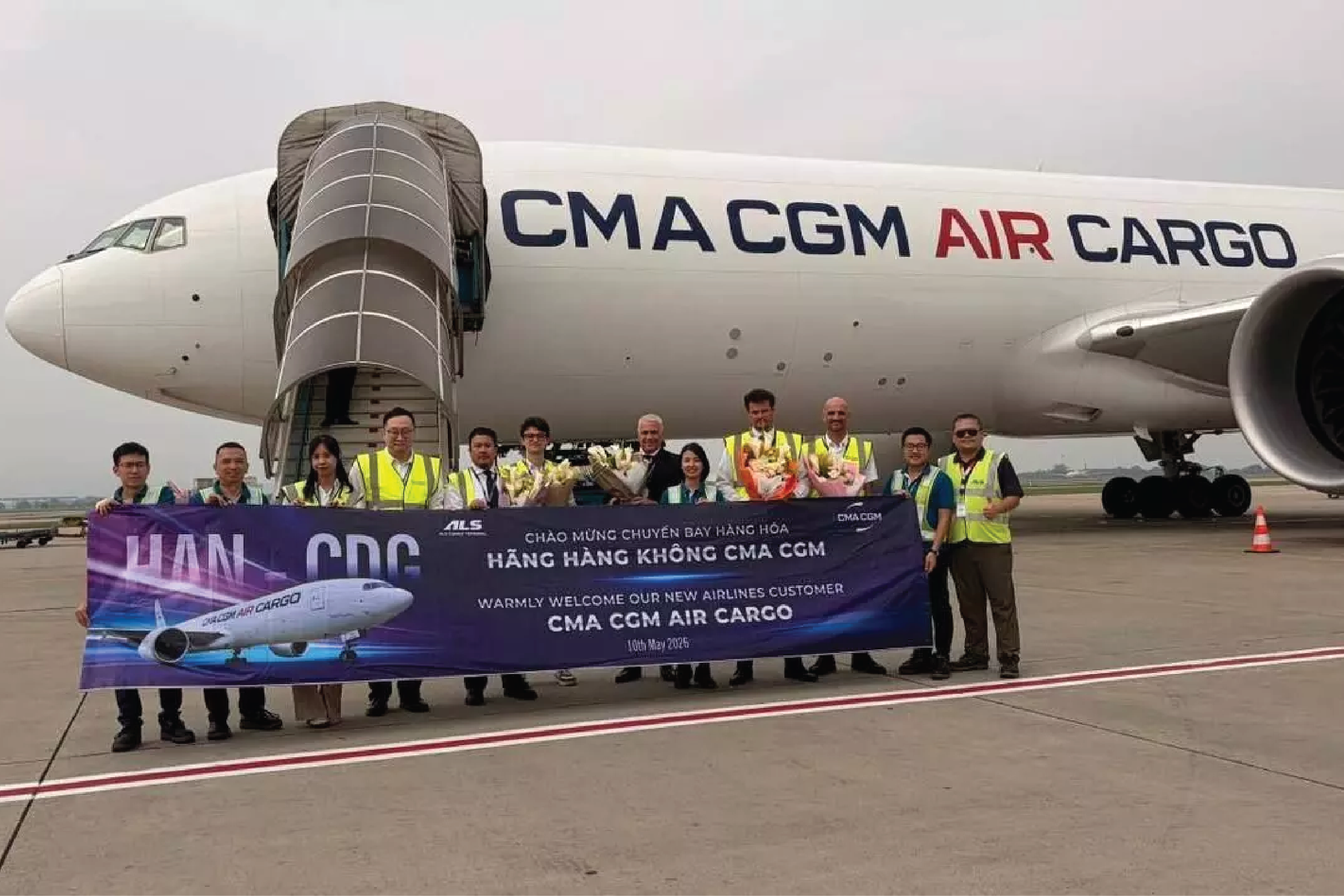
CMA CGM Air Cargo is looking to capitalise on ongoing air cargo demand growth out of Vietnam with the launch of a new freighter service between the Southeast Asian country...

 ALS
ALS