


Pharma supply chains are shifting attention towards raw materials, as industry voices warn that upstream fragility is increasingly driving downstream disruption across manufacturing and logistics networks.
Pharmaceutical supply chains are coming under renewed scrutiny at their earliest stage, with industry discussion pointing to raw materials as a growing source of operational instability rather than a background procurement function.
A recent sector briefing at LogiPharma led by Chemco chief commercial officer Cathy O’Brien, alongside semiconductor industry specialists Ian Synott and Richard Casey, highlighted how upstream disruption is now cascading more visibly into manufacturing schedules, inventory planning and logistics execution.
The core concern raised is that resilience, long treated as a supply chain objective, is being tested at source. Raw material availability, qualification processes and storage constraints are increasingly shaping whether downstream production runs remain viable.
Airfreight operators are already feeling the effects, particularly where delays in bulk or intermediate chemical supply force manufacturers to accelerate inbound shipments to meet fixed production windows. The pressure is most acute in temperature-sensitive and tightly scheduled product lines, where timing constraints leave little operational flexibility once disruption occurs upstream.
Raw materials move from procurement to production risk
The discussion in Vienna-style industry forums has centred on a structural change in how raw materials are viewed within pharmaceutical operations. Rather than being treated as passive inputs managed through procurement, they are increasingly being seen as critical dependencies that require the same level of planning discipline as manufacturing itself.
The operational reality is that disruption rarely remains contained at the sourcing stage. Delays in qualification batches, storage bottlenecks or transport interruptions tend to propagate quickly into production planning, affecting yield consistency and forcing last-minute logistics interventions.
Several participants noted that traditional supply chain models still assume linear flow from supplier to production to distribution. In practice, the system behaves more like a constrained network, where upstream variability can distort downstream scheduling across multiple facilities.
For airfreight providers, this translates into uneven demand patterns driven less by forecast and more by disruption absorption. Spot movements and expedited shipments increasingly sit alongside planned pharmaceutical flows, particularly where maritime or regional transport delays intersect with fixed manufacturing schedules.
The issue is not simply transport capacity, but the stability of the upstream systems feeding it. Fragmented data between suppliers, limited buffer stock, and tight regulatory handling requirements all contribute to a supply environment that is sensitive to small upstream disturbances.
Semiconductor experience shaping supply chain thinking
Comparisons with semiconductors featured prominently in industry discussions, particularly around how prolonged disruption has reshaped expectations of supply reliability.
The semiconductor sector’s response to sustained shortages and demand shocks, including policy-driven capacity expansion such as the EU Chips Act (2023), was cited as an example of moving from efficiency-led models towards continuity-focused supply design.
In pharmaceuticals, the parallel is not direct, but the operational pressure is similar: complex global sourcing, strict quality requirements, and limited tolerance for interruption once materials enter regulated production cycles.
Within this context, several participants described a gradual shift in supplier behaviour. Chemical and raw material providers are increasingly being expected to hold more inventory, invest in additional segregation and storage capability, and align production planning more closely with downstream demand cycles.
This does not remove efficiency pressures, but it changes where they sit in the chain. Instead of lean sourcing feeding volatility into manufacturing, more of that variability is being absorbed upstream before materials reach production plants or logistics networks.
The practical effect is a rebalancing of responsibility. Raw materials are no longer treated as a fixed input to be procured at lowest cost, but as an operational risk factor that influences manufacturing stability and, by extension, airfreight demand patterns across pharmaceutical supply chains.
Source: https://aircargoweek.com/upstream-pressure-redefines-pharmaceutical-supply-chains/
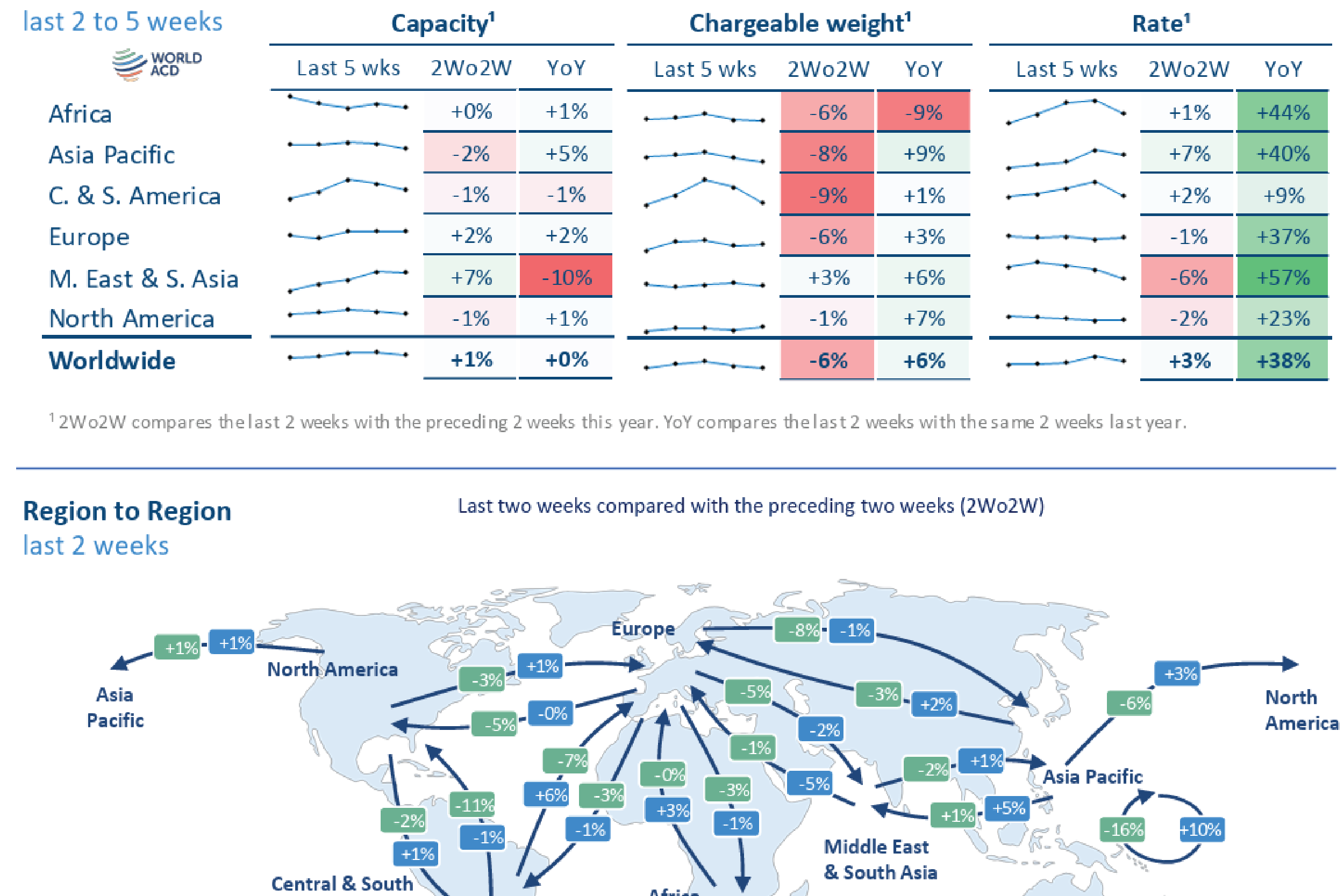
Volume from MESA dropped -5% WoW both to USA and Europe
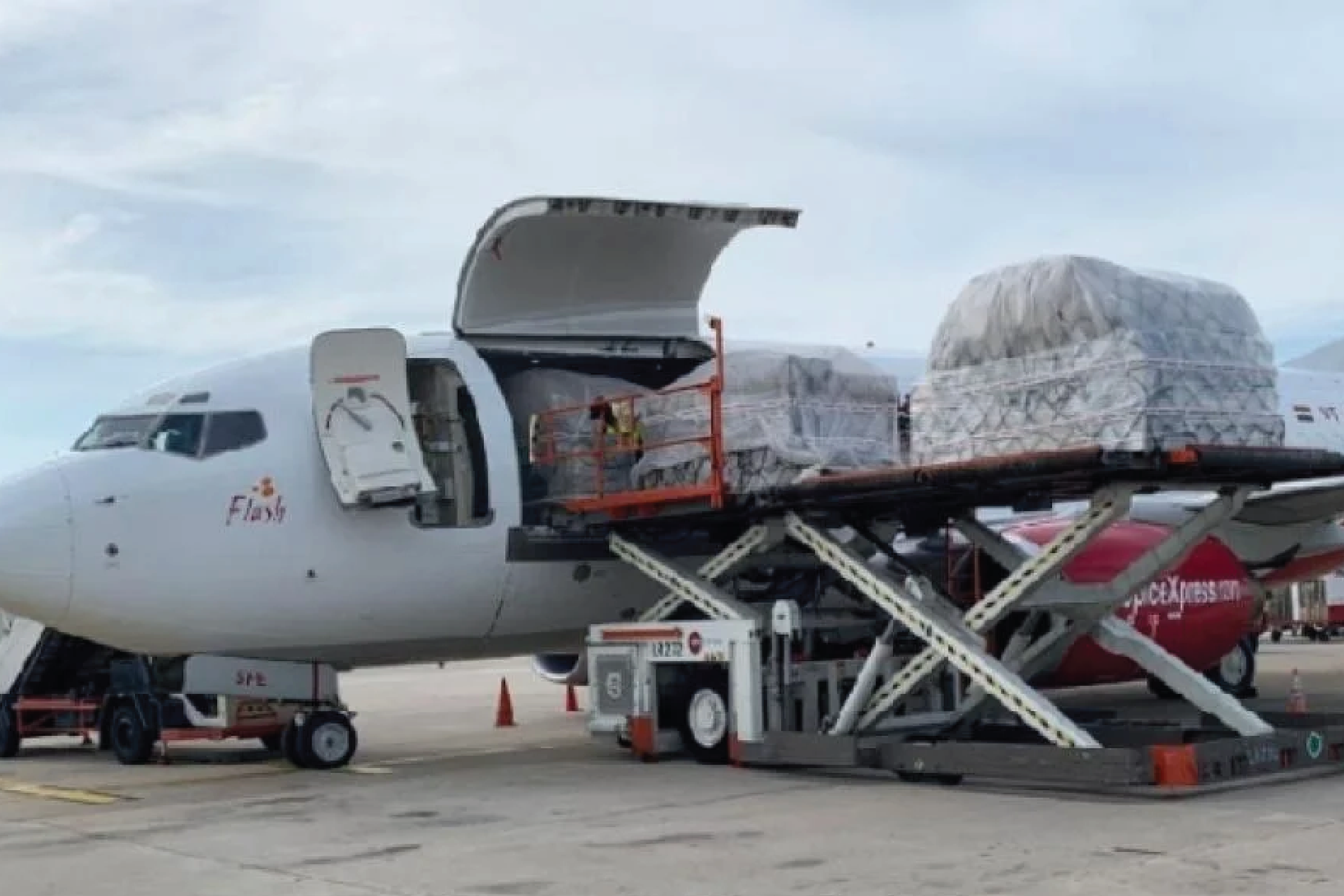
India’s air cargo sector has achieved a major milestone, handling a record 3.72 million metric tonnes (MMT) in FY2024-25
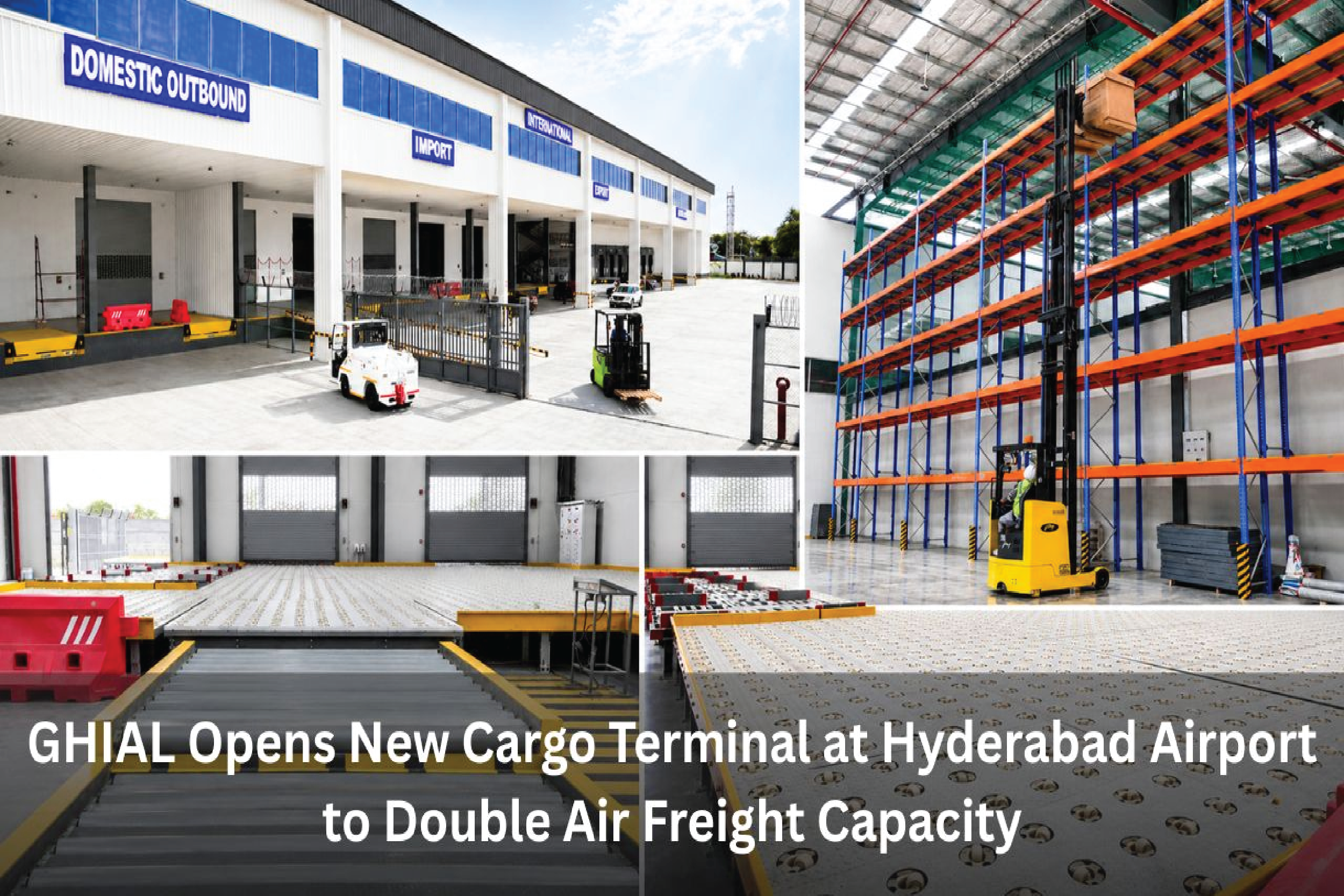
The new Cargo Terminal 2, inaugurated on May 18, spans 16,864 square metres and will initially handle around 50,000 metric tonnes of cargo annually

Carriers are already tightening container shipping capacity ahead of the peak season, with blanked sailings increasing and reports emerging of rolled cargo at some Far East...
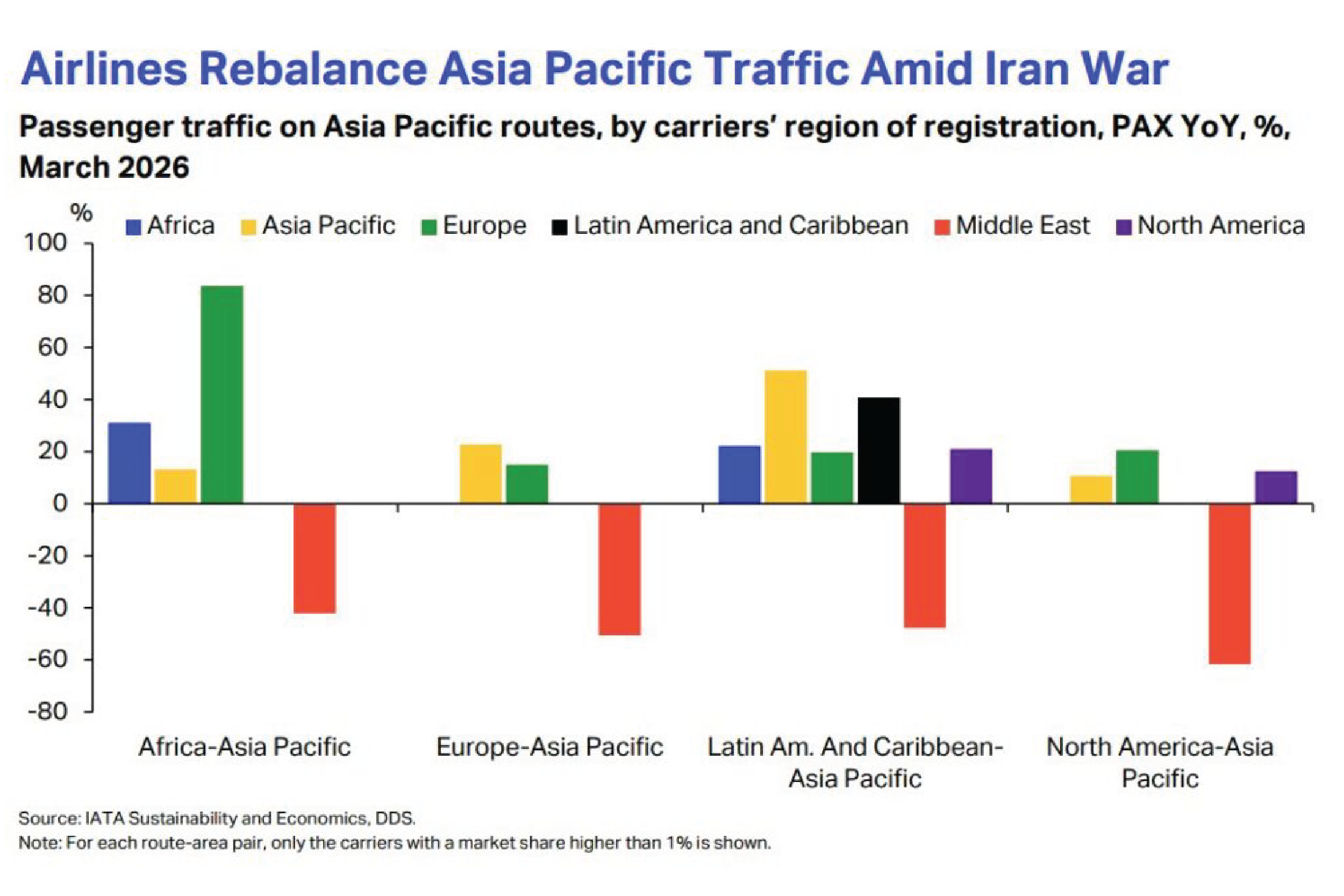
Asia Pacific carriers offset some of that with growth of nearly 23 percent, while European carriers grew by approximately 15 per cent.

Importantly, resilience does not necessarily mean sacrificing efficiency. The most advanced supply chains are learning how to balance both.

Tight effective capacity, high operating costs, and ongoing geopolitical uncertainty are expected to keep air cargo markets unstable through the coming months

The two countries will use the board to manage bilateral trade for certain goods, and they also aim to resolve some non-tariff barriers in agriculture.
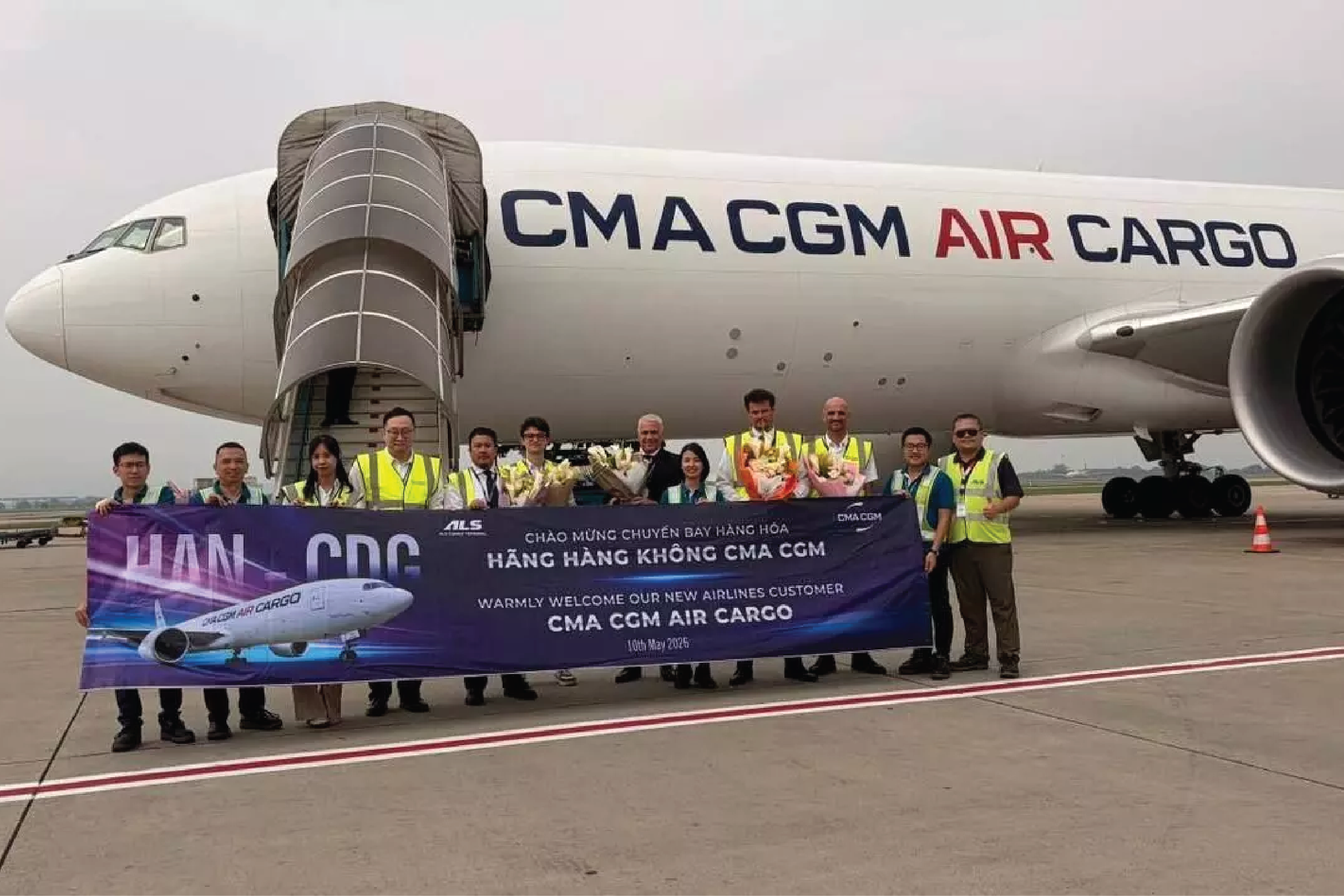
CMA CGM Air Cargo is looking to capitalise on ongoing air cargo demand growth out of Vietnam with the launch of a new freighter service between the Southeast Asian country...

 ALS
ALS