


Entering the second quarter of 2026, the global aviation industry has officially embarked on its most extensive freight rate adjustment in two years. Driven by the direct impact of Jet A-1 fuel prices hitting a record high of nearly $200/barrel (a sharp spike from $95 at the beginning of the year), over 60% of international airlines have activated fuel surcharge (FSC) increases effective today.
A "Shock" price surge from major transport hubs
According to reports from key markets, new surcharge levels have been publicly listed by major carriers:
In Hong Kong, Cathay Pacific has implemented its second surcharge hike within just two weeks.
Industry giant Emirates utilizes an automated system based on fuel price indices across 10 of the world’s largest spot markets.
European carriers are focusing on recovering operational costs for their dedicated freighters.
"Double Impact" on air cargo and logistics markets
Beyond the surcharge figures, the freight transport market is facing even more severe challenges:
Expert forecasts
The International Air Transport Association (IATA) notes that fuel currently accounts for 30-35% of total airline operating costs. With this upward trend, passenger ticket prices and cargo freight rates are forecasted to remain at elevated levels until at least the end of June 2026.
Source: Compiled from The Loadstar, Air Cargo News, IATA Jet Fuel Monitor, and official press releases from Cathay Cargo, Lufthansa, and Emirates.
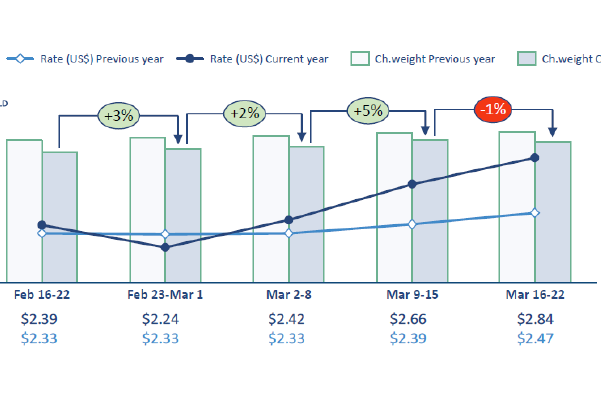
Global air cargo rates have continued to rise strongly as stakeholders adjust to the dynamic and highly challenging conditions following the military attacks on Iran by the...
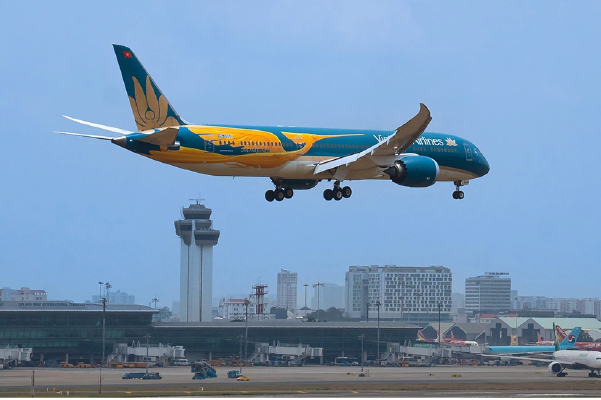
Vietnamese airlines are reviewing flight operations and preparing fuel surcharge plans in response to soaring aviation fuel prices linked to supply disruptions in the Middle...
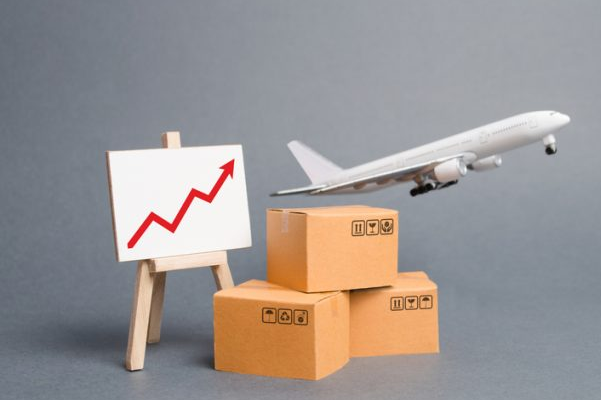
Air charter rates have surged to “Covid-era” levels as the Iran conflict triggers a sharp capacity squeeze and volatile fuel costs, with brokers warning the market is being...

Many US logistics firms have their hands full with traffic triggered by the AI boom, with repercussions going well beyond data centre construction and outfitting to the energy...
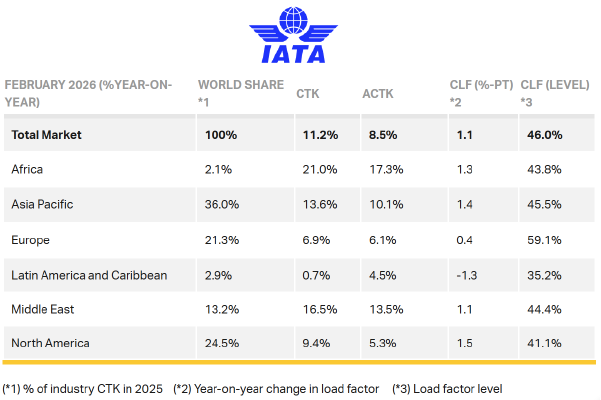
Total demand, measured in cargo tonne-kilometers (CTK), rose by 11.2% compared to February 2025 levels (+11.6% for international operations).

Beyond the immediate impact, the conflict in Iran highlights the need for resilient supply chains capable of quickly adapting to an increasingly uncertain global environment.
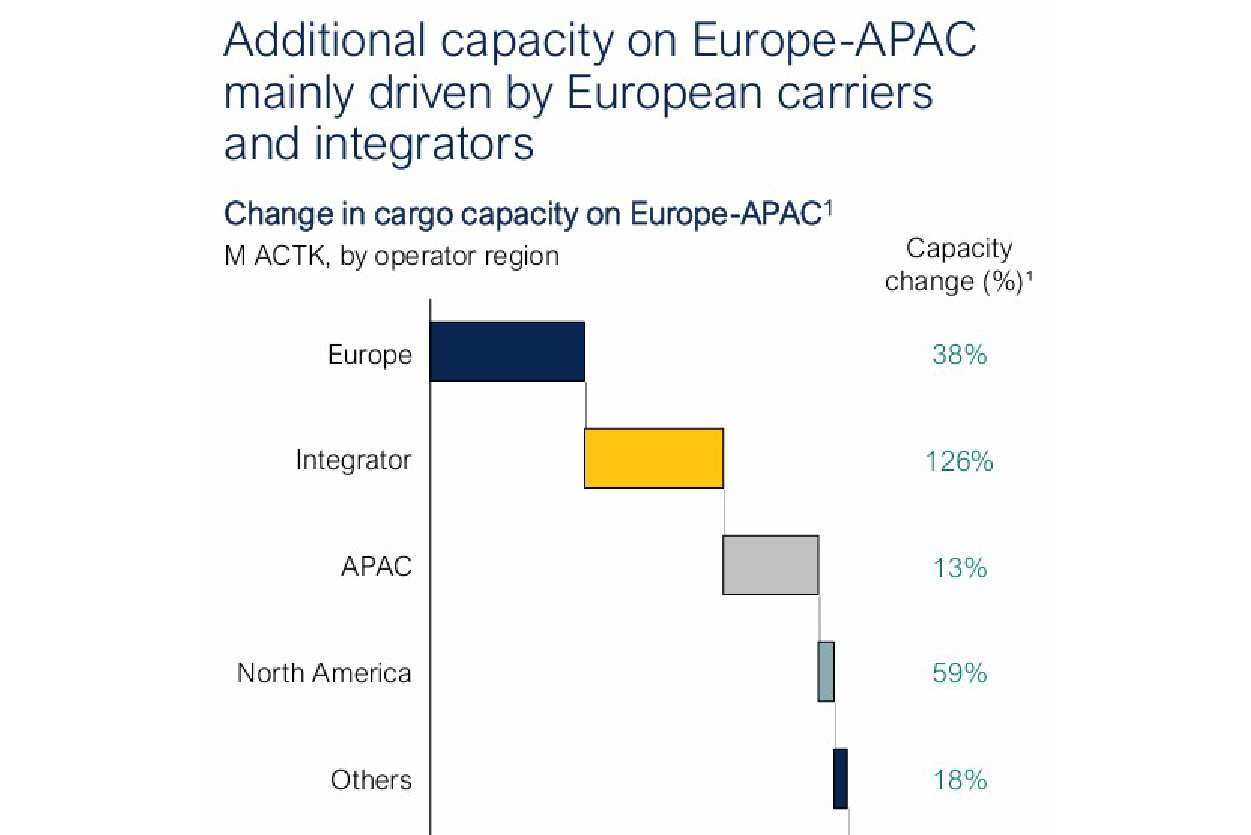
European Airlines and integrators have been the most active in adding capacity to the Asia-Europe trade lane to make up for the shortfall created by the loss of operations...
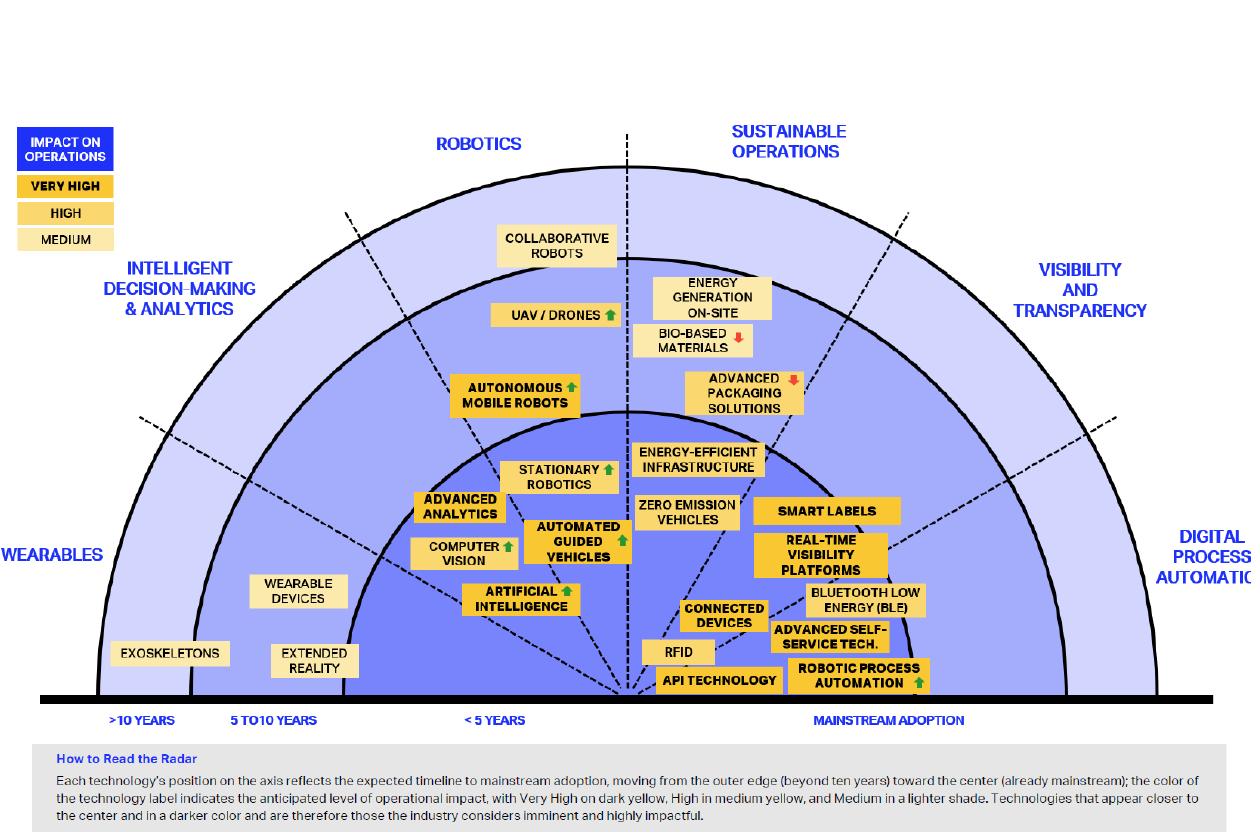
The global air cargo sector is undergoing a steady shift towards automation and data-driven operations, the International Air Transport Association (IATA) said in its 2026...

United Parcel Service Inc (UPS) opened a new US$100 million logistics center in Taiwan yesterday, its largest in the Asia Pacific, riding a wave of demand from tech companies.

 ALS
ALS