


Air charter rates have surged to “Covid-era” levels as the Iran conflict triggers a sharp capacity squeeze and volatile fuel costs, with brokers warning the market is being pushed into unsustainable territory.
“We’re in March. We’re not at a particularly cargo-heavy season right now,” said Dan Morgan-Evans, global cargo director at Air Charter Service (ACS). “Now prices are artificially being pushed up by fuel prices, but our demand is not [at] the same level as you’d see in peak season.
“You’re almost talking… Covid conditions in terms of pricing because of fuel.”
For ACS, the initial spike in demand did not come from war cargo itself, but from disruption to airline operations.
“We picked up a lot of business that perhaps were originally being done by… Etihad, Qatar, Emirates,” he said. “So the demand sort of spiked quite high in terms of… replacement services.”
As the conflict has continued, that has shifted towards more direct movements into the region, including oil and gas and specialist equipment, but the underlying market remains highly unstable.
Mr Morgan-Evans described a “triple whammy” hitting the sector: soaring fuel costs, reduced aircraft availability, and emerging fuel supply constraints.
“You’ve got a period of time where we were lacking… Middle Eastern carriers,” he said, adding that US operators were also increasingly tied up with military work, further squeezing capacity.
At the same time, volatile fuel surcharges are making pricing increasingly opaque.
“There are pretty hefty fuel surcharge clauses… It depends on what a barrel of oil is going to cost in a week’s time,” he said. “It’s difficult for us to tell.”
The uncertainty is forcing brokers into difficult conversations with customers.
“It’s almost like… telling people not to gamble,” he said. “We’re trying to sell them a charter at a price, but telling them, you’re probably going to have to pay a little bit more at some point.”
Fuel availability is also becoming a constraint in some regions, adding further pressure.
“You’ve got people now with fuel shortages in certain places, so it could be a limiting factor to what we are able to do,” he said.
Despite the surge in pricing, demand has so far remained relatively resilient, with ACS reporting high levels of enquiries.
“The inquiry levels are high,” said Mr Morgan-Evans. “It’s just whether we can match what they’re looking for with the prices that we’re being given.”
But he warned that the current pricing environment – more typical of peak season – is at odds with underlying demand.
“They wouldn’t expect to be paying high prices right now… the general cargo market shippers are [not] in a position where they want to be paying those prices.”
If fuel costs remain elevated, there is a growing risk that volumes could begin to slow.
“The longer the fuel prices stay high, the risk is that things will start to slow down and things won’t move because the prices are just too high.”
There are also wider economic implications, he added, with rising transport costs feeding into inflation pressures globally.
The latest figures from WorldACD support the picture of a market driven more by supply constraints than demand growth.
Global tonnages dipped 1% week on week in week 12 and are down 6% year on year, while rates continue to climb sharply. Average global air cargo rates rose a further 7% week on week, following increases of 10% and 8% in the previous two weeks, with spot rates now 26% higher than a year ago.
Capacity remains heavily constrained, particularly in the Middle East and South Asia region, where volumes are still significantly below pre-conflict levels amid ongoing disruption to major Gulf carriers.
Tight space, backlogs and operational restrictions – combined with rising jet fuel costs – are continuing to push rates higher across most major lanes.
For now, the market remains highly sensitive to geopolitical developments and oil prices.
If fuel costs fall or a resolution to the conflict emerges, Mr Morgan-Evans said, there could be a sudden rebound in demand as delayed shipments return.
“If we get a peace deal and the oil price drops, then potentially we’ll see a weird little mini spike in the middle of the year,” he said.
Until then, the sector remains in what he described as “unknown territory”, with pricing, capacity and demand all subject to rapid and unpredictable change.
Source: https://theloadstar.com/charter-rates-hit-covid-era-highs-as-war-driven-disruption-distorts-air-cargo-market/
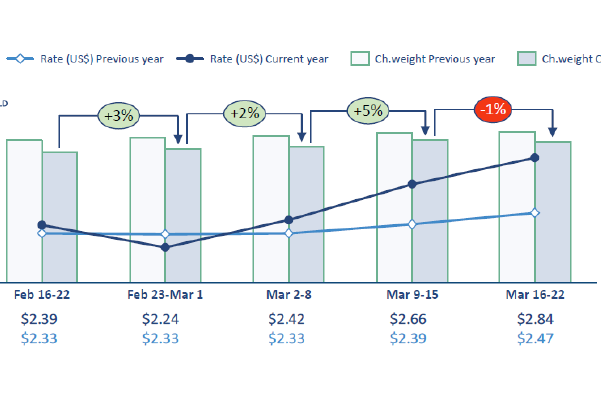
Global air cargo rates have continued to rise strongly as stakeholders adjust to the dynamic and highly challenging conditions following the military attacks on Iran by the...
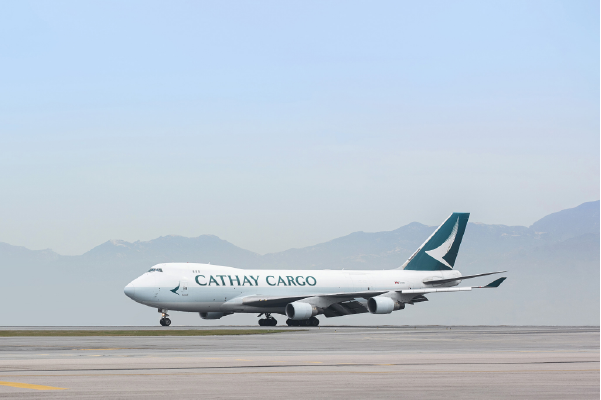
Driven by the direct impact of Jet A-1 fuel prices hitting a record high of nearly $200/barrel (a sharp spike from $95 at the beginning of the year), over 60% of international...
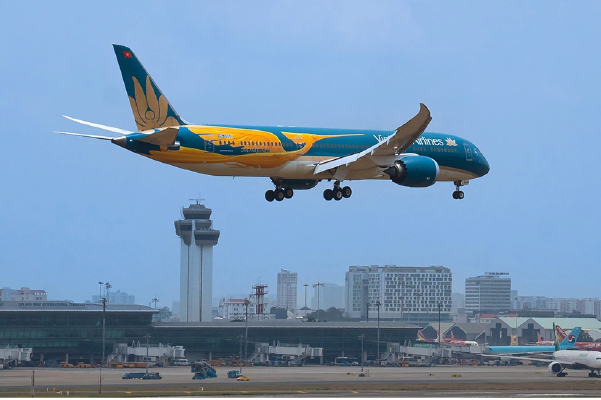
Vietnamese airlines are reviewing flight operations and preparing fuel surcharge plans in response to soaring aviation fuel prices linked to supply disruptions in the Middle...

Many US logistics firms have their hands full with traffic triggered by the AI boom, with repercussions going well beyond data centre construction and outfitting to the energy...
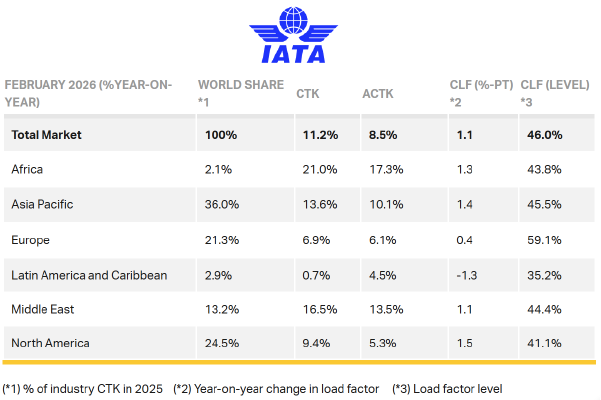
Total demand, measured in cargo tonne-kilometers (CTK), rose by 11.2% compared to February 2025 levels (+11.6% for international operations).

Beyond the immediate impact, the conflict in Iran highlights the need for resilient supply chains capable of quickly adapting to an increasingly uncertain global environment.
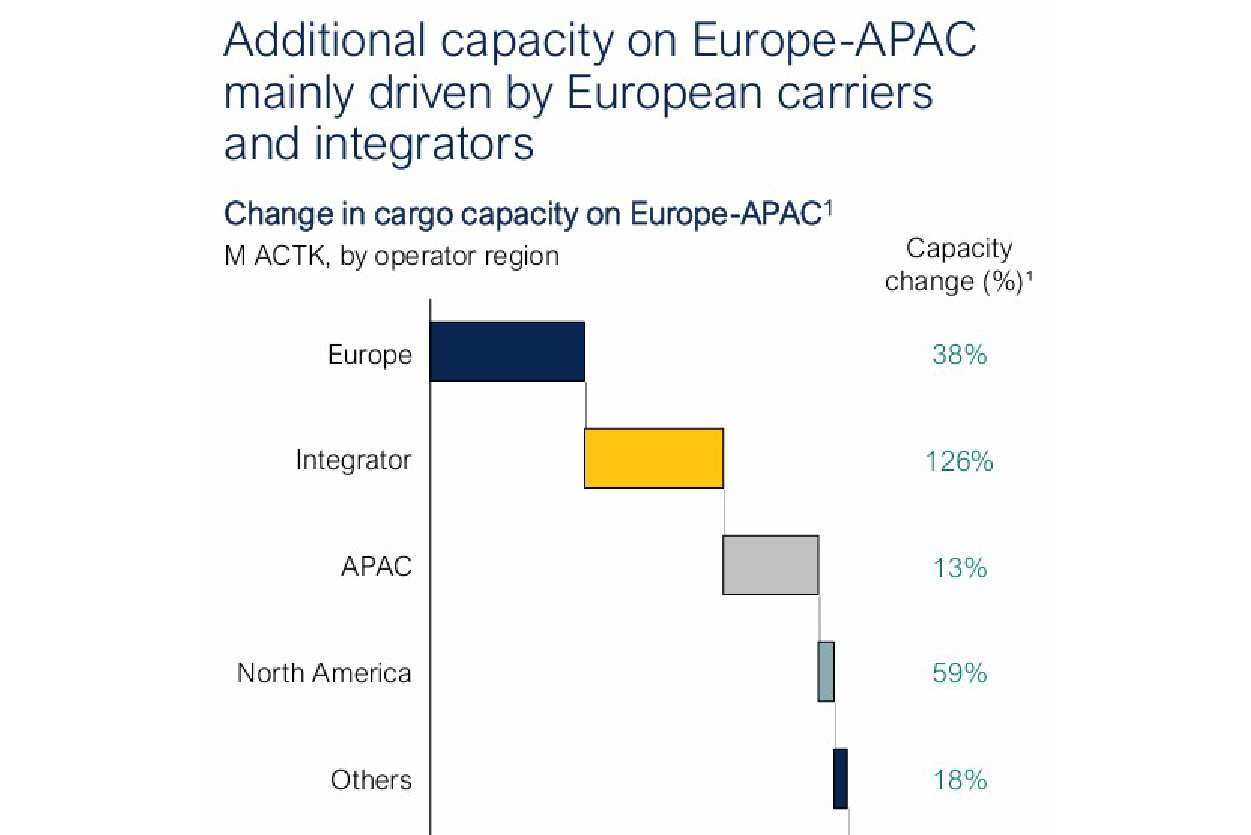
European Airlines and integrators have been the most active in adding capacity to the Asia-Europe trade lane to make up for the shortfall created by the loss of operations...
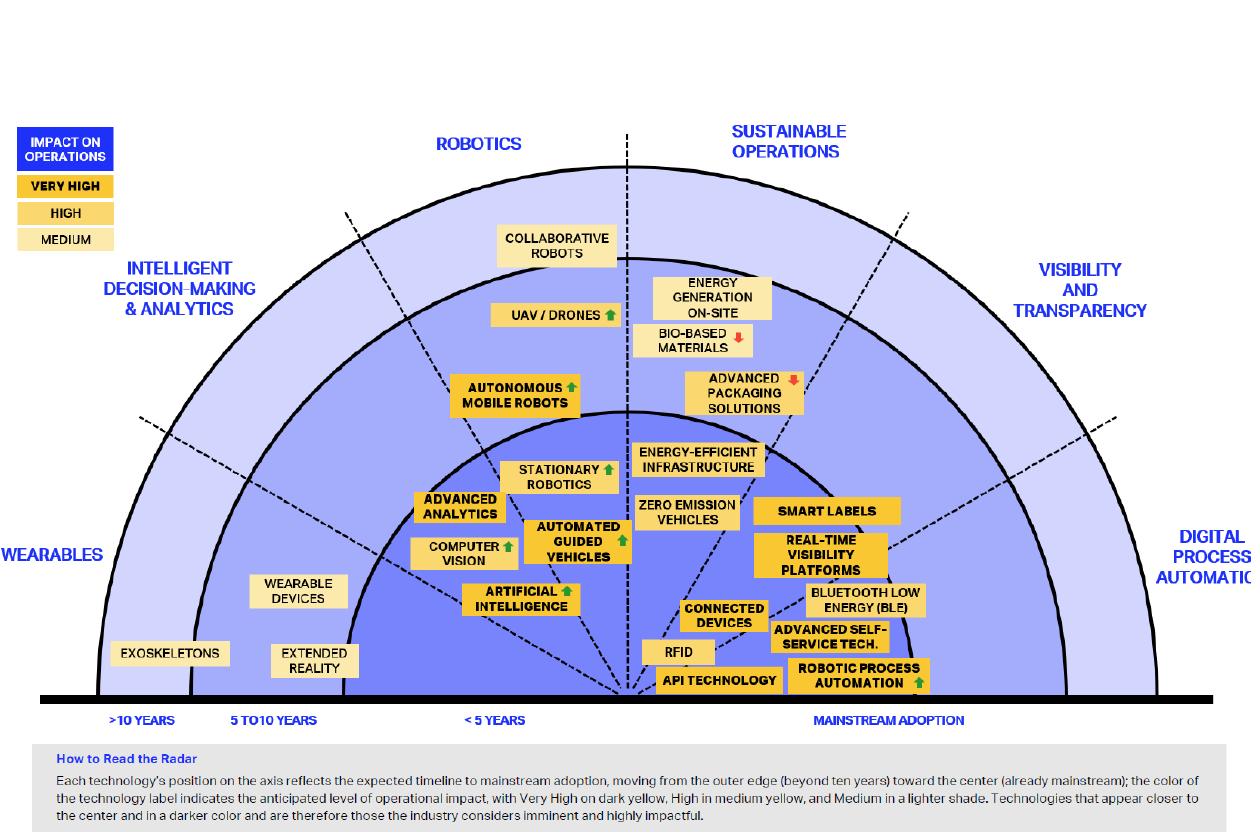
The global air cargo sector is undergoing a steady shift towards automation and data-driven operations, the International Air Transport Association (IATA) said in its 2026...

United Parcel Service Inc (UPS) opened a new US$100 million logistics center in Taiwan yesterday, its largest in the Asia Pacific, riding a wave of demand from tech companies.

 ALS
ALS