


The aviation industry's global carbon offsetting scheme, CORSIA, is approaching its first major compliance deadline, raising concerns over a potential shortage of eligible carbon credits and increasing costs for airlines worldwide.
The Carbon Offsetting and Reduction Scheme for International Aviation (CORSIA), established by the International Civil Aviation Organization (ICAO), aims to address carbon emissions from international aviation. However, industry experts warn that limited credit availability could pose significant challenges as airlines prepare to meet their first mandatory offsetting obligations.
Approximately 130 countries are participating in CORSIA's first phase, running from January 2024 through December 2026. Airlines operating under participating countries will be required to purchase eligible carbon credits by the end of January 2028 to meet their obligations or face potential penalties.
According to Standard Chartered, the first phase could generate demand for credits covering up to 200 million metric tons of carbon emissions. However, industry estimates suggest that available eligible credits may cover no more than a quarter of this demand, with only 11 countries currently positioned to supply credits under the scheme.
ICAO has maintained that implementation remains on track and that it continues working with governments to accelerate the availability of eligible credits.
CORSIA applies strict eligibility standards to ensure the environmental integrity of carbon offset projects. Eligible activities may include forest conservation initiatives and programs replacing polluting cooking fuels with cleaner alternatives in developing countries.
To qualify, credits must meet ICAO-approved standards and receive authorization from host governments, which must also ensure that emissions reductions are not counted toward multiple climate commitments.
These requirements, combined with administrative delays and national climate priorities, have constrained supply. Brazil, a potential major supplier of forest-related carbon credits, has yet to begin authorizing CORSIA projects as it finalizes its regulatory framework.
Some developing countries are also cautious about exporting carbon credits, concerned that doing so could limit their ability to meet domestic emissions reduction targets.
The shortage of eligible credits could drive prices higher as compliance deadlines approach. Carbon credits currently priced at approximately USD 12–13 per metric ton may become more expensive as demand increases and regulatory uncertainties are resolved.
Consultancy Roland Berger estimates that, at prices ranging from USD 20 to USD 50 per credit, CORSIA compliance could cost airlines between USD 3.6 billion and USD 9 billion, equivalent to approximately 5%–12% of projected industry profits for 2026.
Meanwhile, major international airlines have adopted different approaches to securing credits. Singapore Airlines has begun acquiring eligible units, while Air France-KLM has not yet made purchases. United Airlines and American Airlines have highlighted concerns regarding limited supply and price uncertainty.
Regulators are also considering enforcement measures. The United Kingdom has proposed a penalty of GBP 100 per metric ton of emissions not covered by compliant credits, while other participating countries continue developing their regulatory frameworks.
Beyond compliance costs, CORSIA could become an important source of climate finance for developing economies, supporting projects that reduce emissions and promote sustainable development.
Nevertheless, challenges remain at the project level. Some carbon reduction initiatives have faced technical approval difficulties, delaying credit issuance and limiting access to expected funding.
With its first mandatory phase nearing completion, CORSIA faces a significant test of its effectiveness. The scheme's success will depend on expanding the supply of credible carbon credits, strengthening coordination between governments and ensuring that international aviation can meet its environmental commitments without undermining industry growth.
As the aviation sector continues its transition toward lower-carbon operations, the implementation of CORSIA will play an important role in shaping future sustainability strategies and compliance costs across the global air transport industry.
Source: Reuters
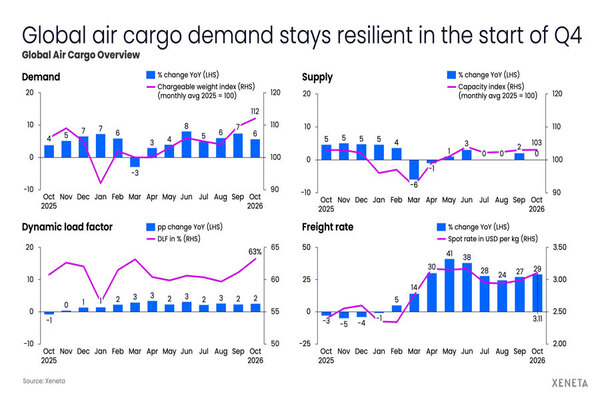
October saw the seventh consecutive month of year-on-year growth in global air cargo volumes since the -3% dip in March after the escalation of the Middle East conflict closed...
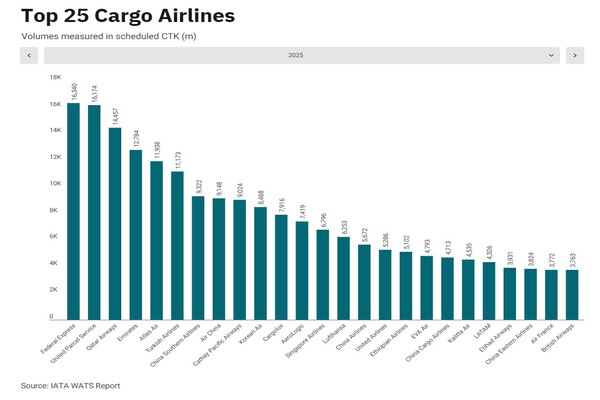
2025 was a year of uncertainty for the air cargo industry with tariffs, the end of the de minimis exemption in the US, ongoing geopolitical conflict and supply chain disruption...

ALS Aviation Logistics Corporation (ALS) has been recognized among Vietnam’s Top 5 Value-Creating Enterprises in 2026 (VALUE10) in the Logistics Industry – Air Cargo Transportation...
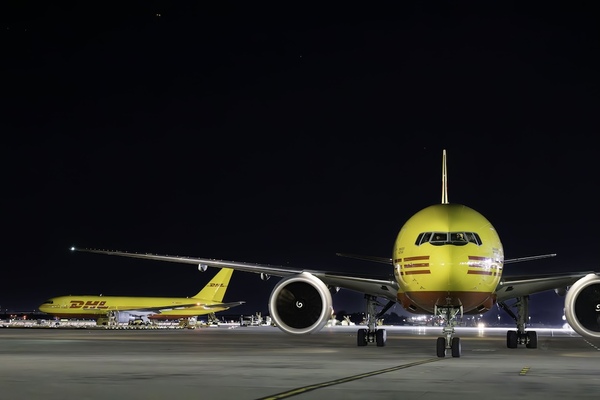
DHL Group has announced its Q3 results, as all divisions together report a 12.6 percent growth in revenue. This comes in at €22.7 billion, up from €20.1 billion in 2025
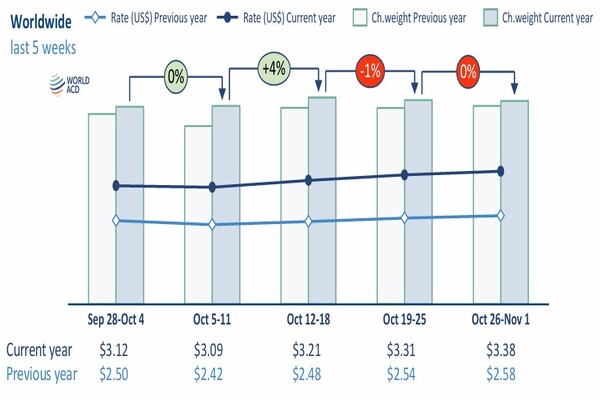
Global air cargo tonnages in October grew by +6% compared with their level this time last year, according to the latest figures from WorldACD Market Data, as growth in most...
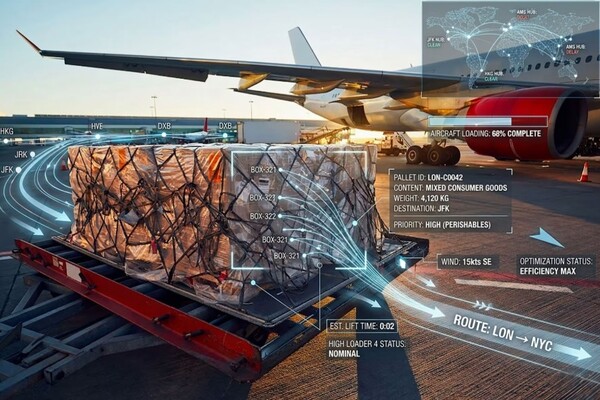
There is no shortage of companies enjoying the Al boom - from airports to airlines and forwarders, the latest airfreight trend is filling both aircraft and coffers - but companies...
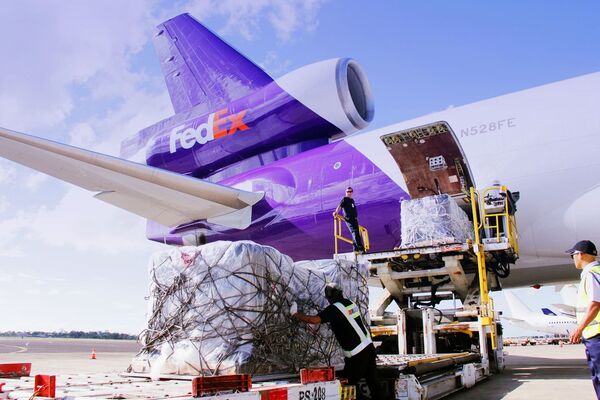
FedEx has expanded trans-Pacific airfreight capacity for industrial supply chains. Five weekly Boeing 777F flights add a stated 567,000kg of capacity, with links through Asian...
The forum will provide a platform to discuss measures for developing the logistics sector amid changing domestic and international conditions, enhancing economic competitiveness,...
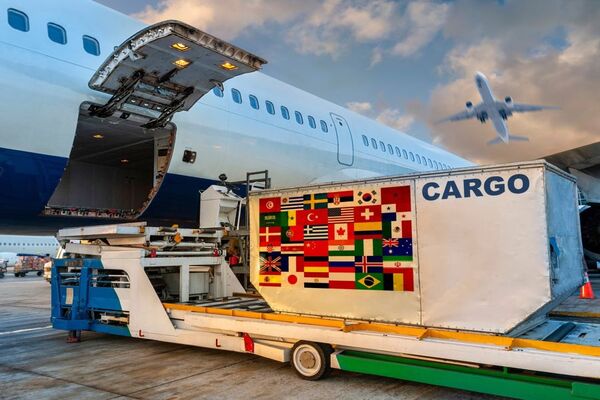
Air cargo demand rose 7.7% year-on-year in September, with growth across all regions. Stronger global trade and manufacturing provided a supportive backdrop, while AI-related...

 ALS