


A new report has highlighted an increase in the number of lithium-ion battery incidents in air cargo as a result of the growth of e-commerce demand.
The new report suggests that the air cargo industry has seen a 40% increase in the number of thermal runaway incidents since 2021.
In 2021, there were 10 incidents, the UL Standards & Engagement (ULSE) report found, but this had increased to 14 incidents by 2025. There were 13 incidents in 2022, 13 in 2023 and 15 in 2024.
The researcher described the rise as “alarming” and said it mirrored increasing consumer demand for low-cost, battery-powered products.
“Lithium batteries power modern life, but they also present a growing and preventable risk in air cargo,” said Bob McClelland, transportation safety lead at UL Standards & Engagement.
“The rise in incidents is not random — it reflects identifiable gaps in battery quality, shipper awareness, regulatory oversight, and supply chain accountability. These are systemic weaknesses that can and must be better addressed if we want to reverse this troubling trend.”
ULSE said that battery quality and shipper behaviour are the core drivers of risk, with small and individual shippers often lacking hazardous materials expertise and relying on carriers to catch errors, shifting responsibility downstream.
“Limited oversight and uneven enforcement leave cargo airlines managing risks they did not create — and often cannot fully see,” ULSE said.
The standards organisation added that geography is a predictor of cargo risk, with significant differences in manufacturing quality, regulatory oversight and enforcement rigour across regions.
However, it added that a large amount of cargo originates in the region, so the likelihood of incidents beginning there can be attributed in part to volume.
The report showed that where the origin and destination airport information is provided, shipments originating
from airports in Asia were cited in 42% of the incidents: Hong Kong 27%, China 8%, South Korea 2%, Malaysia 2% and India 2%.
“A battery’s country of origin can be an indicator of a heightened threat,” ULSE said. “More than half of known-origin incidents begin in a handful of Asian airports — as do a significant number of battery shipments — contributing to industry perceptions that geographic disparities amplify other risks such as battery quality, shipper behaviour and third-party involvement.”
ULSE said that it can be hard to pinpoint responsibility and implement solutions to solve the issue, given that the batteries pass through multiple stakeholders, with each relying on the previous party to comply with the rules.
“This fragmentation diffuses accountability, making it difficult to pinpoint responsibility or implement lasting solutions when incidents occur,” ULSE said.
The report offers three priority recommendations to improve cargo safety: establishing clear, enforceable responsibility across the supply chain; strengthening education and global industry coordination to reduce ambiguity and prevent errors; and treating safety and cost as aligned — not competing — priorities and driving solutions from the top down.
“In every interview and focus group we conducted, a consistent theme emerged: reducing battery fire risk is a shared responsibility that prioritises safety as a matter of necessity, not luck,” said Emily Brimsek, senior manager of qualitative insights.
Source: https://www.aircargonews.net/cargo-airport/2026/03/lithium-ion-battery-incidents-in-air-cargo-on-the-rise/
After several years of volatility, the United States air cargo industry is showing signs of stabilisation in 2026.
Airlines, fuel producers and logistics companies are stepping up efforts to scale Sustainable Aviation Fuel as aviation searches for practical ways to cut emissions.
Air freight rates increased last week, led by strong gains from Asia and India, as Middle East conflict and fuel costs impacted markets.
The air cargo sector is transforming to eliminate operational blind spots, or black holes, on airport tarmacs and at customs docks where digital monitoring fails and temperatures...
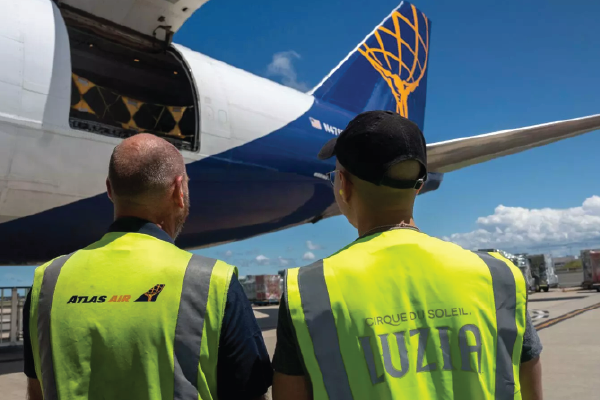
Inside the global supply chains powering concerts, festivals, and mega sporting events https://www.stattimes.com/latest-news/the-logistics-powering-the-global-events-economy-1358490
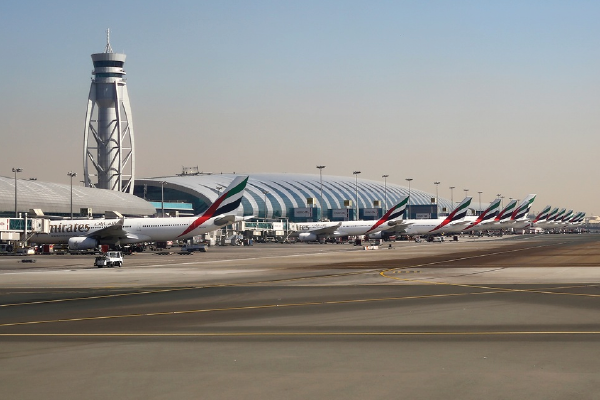
Air cargo capacity on a global level is still in recovery mode following the outbreak of war in the Middle East.
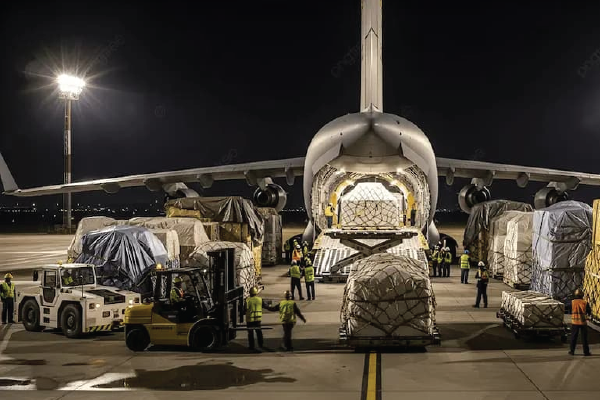
Global air cargo networks are undergoing significant changes as geopolitical tensions and the rapid growth of e-commerce reshape the movement of goods across international...
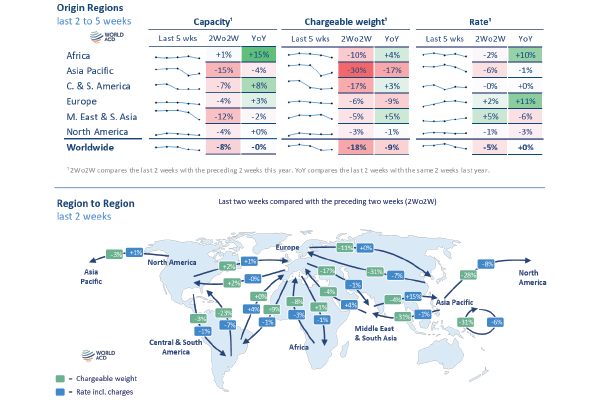
The attacks on Iran by US and Israeli forces and the responses from Teheran have had an immediate and profound impact on airfreight flows.
A system to process at least $166 billion in tariff refunds could be up and running in 45 days. That’s the alternative to a manual process that could take 4 million hours,...

 ALS
ALS