


Keypoints:
AFRICAN airlines recorded the strongest air cargo growth of any region in May 2026, outperforming carriers worldwide as global freight demand continued to expand despite geopolitical tensions disrupting aviation networks in the Middle East, according to new figures released by the International Air Transport Association (IATA).
Global air cargo demand, measured in cargo tonne-kilometres (CTK), increased by 6.0 percent compared with May 2025, while international cargo traffic rose by 6.5 percent. Available cargo capacity increased by 1.9 percent, indicating that demand continued to outpace supply as airlines responded to changing trade patterns. The latest figures reinforce Africa’s growing importance within global supply chains. Rising trade with Asia, expanding manufacturing activity and sustained investment in aviation logistics are helping position African carriers to capture a larger share of international freight traffic, even as conflict and economic uncertainty reshape cargo flows elsewhere.
Africa outpaces every other region
African airlines posted a 13.3 percent increase in cargo demand during May, comfortably the strongest regional performance worldwide. Capacity rose by just 1.3 percent, highlighting how demand significantly outpaced available cargo space and pointing to stronger aircraft utilisation across the region.
The continent outperformed North America, where cargo demand increased by 10.5 percent, followed by Asia-Pacific at 8.0 percent and Europe at 6.7 percent. Latin America and the Caribbean recorded a more modest 1.9 percent increase.
By contrast, airlines operating in the Middle East experienced an 8.9 percent decline in cargo demand, accompanied by a 9.2 percent reduction in available capacity as conflict continued to affect important freight hubs and long-haul cargo corridors.
IATA Director General Willie Walsh said global cargo markets continued to demonstrate resilience despite regional disruptions, with airlines adapting their operations to meet shifting demand and supply-chain requirements.
African cargo operators build competitive advantage
Africa’s cargo performance reflects years of investment across the continent’s aviation sector. The momentum follows broader gains in passenger aviation, with Africa recording an 18.6 percent surge in aviation activity, underscoring growing demand for both passenger and freight connectivity across the continent.
Major operators including Ethiopian Airlines, Africa’s largest cargo airline, alongside expanding freight operations by Kenya Airways, RwandAir and Astral Aviation, have invested in cargo infrastructure, specialised handling facilities and new trade routes serving pharmaceutical products, fresh produce, high-value manufacturing and e-commerce shipments.
Those investments reflect airlines’ efforts to strengthen Africa’s role as a logistics bridge linking Asian manufacturing centres with European and Middle Eastern consumer markets while also supporting growing intra-African trade.
Although Africa still accounts for a relatively small share of global air cargo volumes, sustained double-digit growth suggests the continent is strengthening its competitiveness within international freight markets.
Africa-Asia trade continues to accelerate
One of the report’s strongest trends was the sustained expansion of cargo traffic between Africa and Asia.
The Africa-Asia trade corridor grew by 14.1 percent during May, extending an uninterrupted growth streak to 11 consecutive months. Only the Asia-North America trade lane recorded stronger performance, with demand increasing by 19.9 percent.
The expansion reflects deepening commercial ties between African economies and Asian manufacturers, supported by exports of agricultural products, critical minerals, pharmaceuticals and increasingly sophisticated manufactured goods.
Analysts have also pointed to the gradual implementation of the African Continental Free Trade Area (AfCFTA) as an important long-term driver. The outlook is reinforced by initiatives to expand airport and logistics infrastructure, including the African Development Bank’s aviation investment programme, which aims to mobilise financing for airports, air transport networks and supporting infrastructure across the continent. As regional production networks expand, faster air freight services are expected to become increasingly important for high-value, time-sensitive products, including medical supplies, electronics, automotive components and perishables.
Conflict reshapes global cargo flows
While overall demand remained robust, the report highlights the continuing impact of geopolitical instability on global logistics.
Cargo traffic between Europe and the Middle East declined by 19.8 percent during May, while freight volumes between the Middle East and Asia fell by 16.5 percent as airlines adjusted schedules, rerouted aircraft and responded to operational constraints caused by regional conflict.
The contrasting regional performances illustrate how international cargo markets have become increasingly influenced by geopolitical developments. Airlines capable of quickly redeploying aircraft and adapting route networks have generally been better positioned to capture emerging demand.
Trade and manufacturing support the outlook
Beyond aviation itself, several broader economic indicators continued to support cargo demand.
Global trade expanded by 5.0 percent year-on-year, marking a twenty-fifth consecutive month of annual growth. Manufacturing activity also remained in expansion territory during May, with the Global Manufacturing Output Purchasing Managers’ Index rising to 53.5.
For exporters across Africa, stronger air freight demand could improve access to overseas markets for fresh produce, pharmaceuticals, flowers, seafood and other high-value goods that depend on rapid delivery, supporting efforts to diversify exports and strengthen regional value chains.
Although new export orders remained below the expansion threshold, the data suggest cargo growth is increasingly being driven by resilient regional trade corridors rather than broad-based improvements across every market.
IATA also said stronger cargo yields and higher aircraft load factors helped airlines offset elevated operating costs, while jet fuel prices declined significantly compared with April, easing some financial pressure despite remaining well above year-earlier levels.
For African carriers, these trends present an opportunity to build on recent momentum by expanding dedicated cargo capacity, modernising airport logistics and strengthening connections with rapidly growing export markets across Asia and within Africa itself.
Whether that momentum can be sustained will depend on continued investment in airport infrastructure, customs modernisation, digital freight systems and regional trade integration. If those improvements continue alongside expanding commercial ties with Asia, Africa’s airlines could consolidate their growing role in global air freight over the coming years.
Source: https://africabriefing.com/african-airlines-lead-world-with-13-3-percent-cargo-growth/

Explore the Top 10 sustainable logistics companies, from Maersk and Union Pacific to DHL, UPS, FedEx and DSV, driving transport decarbonisation and ESG
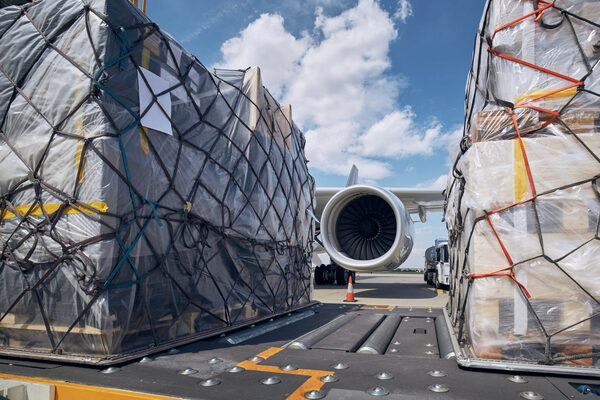
Global air cargo volumes fell for a second consecutive week in mid-August, while reduced capacity and higher fuel costs helped keep freight rates broadly stable.

The route between Guangzhou Baiyun International Airport and Sydney Airport operates five times weekly with Boeing 777 freighters.

The partnership establishes WCAworld as a FIATA platinum partner for an initial three-year term and provides a framework for enhanced engagement across FIATA initiatives,...

The establishment of a regional office by Qatar Airways Cargo in Hong Kong has reinforced the city's status as a global aviation hub, according to Secretary for Transport...

The new European Union charge for low-value shipments has “profoundly altered the structure of imports” into Liege Airport.

Qatar Airways Cargo is continuing to target the semiconductor market with an investment in specialist containers to transport shipments related to the industry.
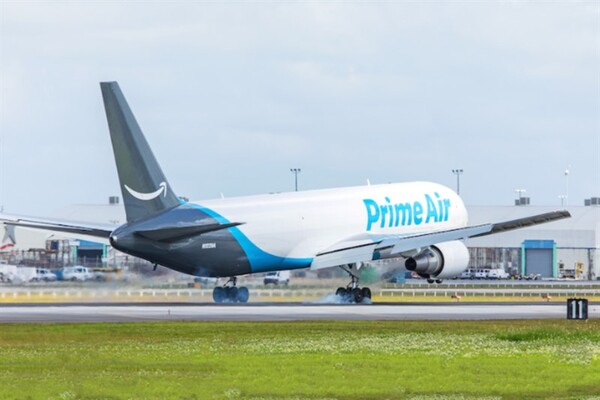
Amazon is bringing its air cargo operation together with its ground transportation and sort centre teams as part of a restructuring of its middle-mile logistics network.
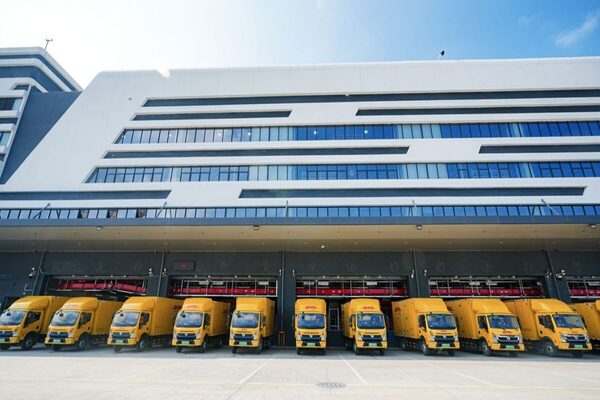
DHL Express has expanded its logistics infrastructure and air network in China via the expansion of its Shenzhen “Super Gateway” with a €177 million (c. £151m) investment.
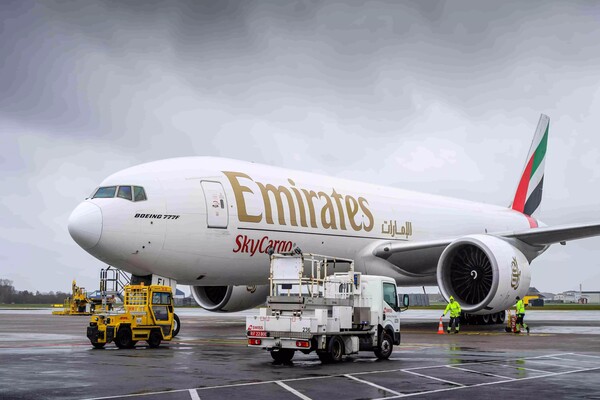
Cargo charters are becoming increasingly vital as airlines and logistics providers embrace flexible capacity to overcome disruptions, handle urgent shipments, and adapt to...

 ALS
ALS